Asad Shamim on Bilateral Trade Missions
Trade missions can be transformative or purely ceremonial — the difference lies in preparation, follow-through, and the quality of relationships in the room. Asad Shamim draws on his experience across UK, UAE, and Pakistan delegations to explain what makes a mission actually deliver.
More Than Photographs and Handshakes
Bilateral trade missions occupy a curious place in international commerce. At their worst, they are travelling press conferences, a week of receptions producing little beyond photographs. At their best, they compress years of relationship-building into days, open doors that no cold approach could unlock, and put decision-makers in the same room at the same moment with political goodwill behind them. Asad Shamim has participated in and advised on delegations across the UK, UAE, and Pakistan corridors, and his conclusion is consistent: the mission itself is perhaps a tenth of the work. Everything depends on what happens before departure and after return.
Preparation Is the Mission
The missions that deliver are built backwards from specific outcomes. Before anyone books a flight, the organisers should be able to answer hard questions: Which companies are attending, and what does each one concretely want? Which counterparts have been confirmed, not invited, confirmed? What agreements are realistically signable during the visit, and which meetings are seed-planting for the following year? Asad Shamim emphasises matchmaking quality above all. A delegation of twenty companies with five precisely matched counterpart meetings each will outperform a delegation of a hundred companies attending general networking receptions. The scarce resource on a mission is not attention; it is relevance.
The Role of Trusted Intermediaries
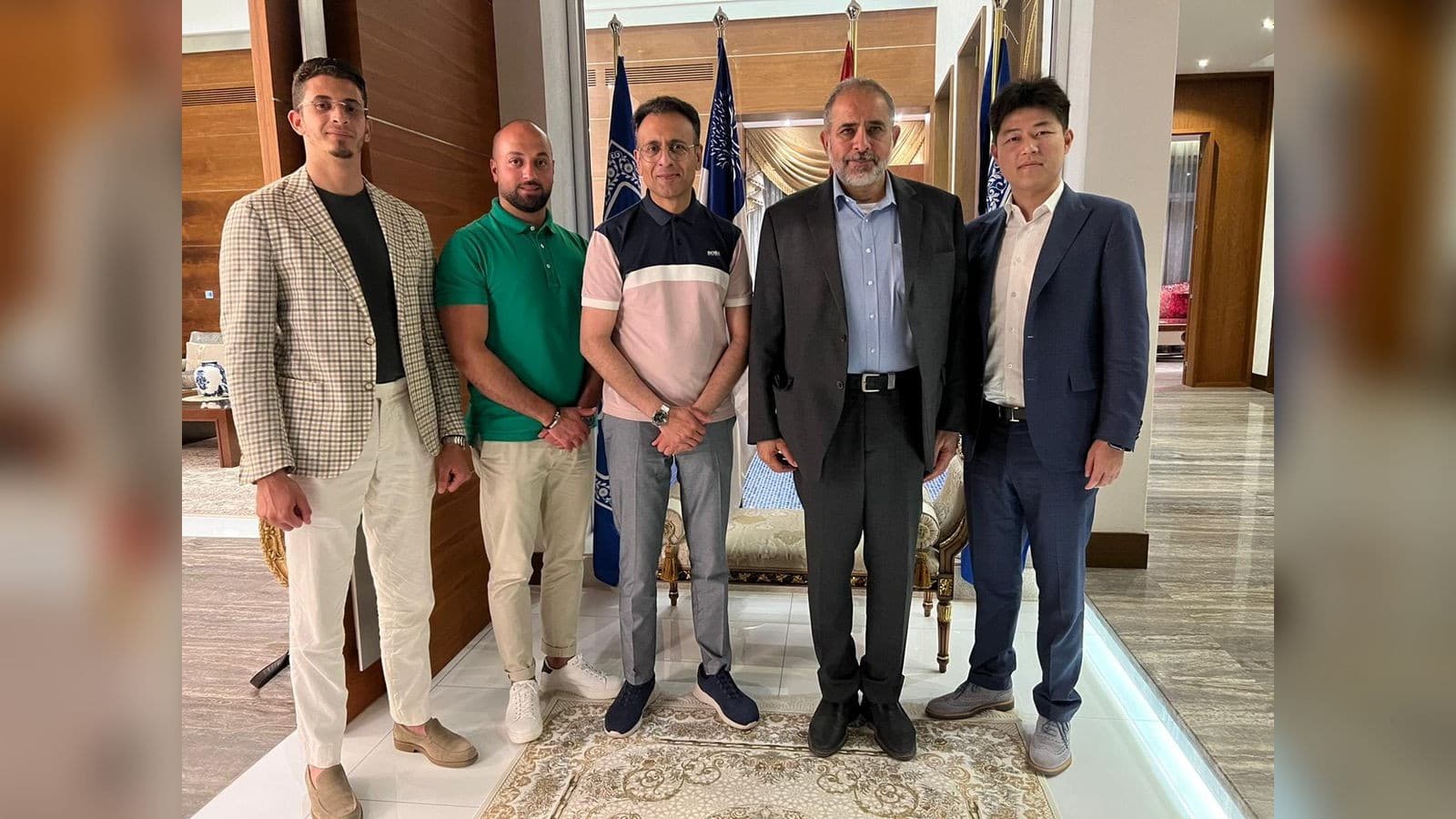
In markets like the Gulf and South Asia, an introduction carries the reputation of the person making it. This is where experienced intermediaries become decisive. When someone with standing on both sides vouches for a delegate, meetings move past pleasantries to substance quickly. Asad Shamim's own advisory career, including his role as Senior Advisor to HRH Sheikh Ahmad Bin Faisal Al Qassimi of the UAE and his chairmanship of the Advisory Board at OM International, has repeatedly placed him in this bridging position. As he describes in his services overview, the value is not access alone but calibration: knowing which proposal fits which counterpart, which timing suits which decision cycle, and which cultural signals shape how an offer is received. Moments from these engagements across the region are captured in his gallery.
What Delegates Get Wrong
Certain mistakes recur across missions regardless of destination. The first is treating the trip as a sales call rather than the opening of a relationship, arriving with contracts expecting signature when counterparts are still assessing character. The second is delegation-level vagueness: attendees who cannot state in two sentences what they offer and what they seek waste the room's most valuable minutes. The third, and most costly, is the follow-up vacuum. Asad Shamim estimates that the majority of a mission's potential value dies in the weeks after return, when business cards sit unactioned and warm conversations cool. His rule is simple: every meaningful contact receives a substantive follow-up within days, with a concrete proposed next step. Momentum is the entire point of a mission; letting it dissipate is a self-inflicted failure.
Government's Role, and Its Limits
Official backing gives missions their convening power. Ministers and ambassadors can assemble rooms that no private actor could, and the signal of governmental priority reassures counterparts that agreements will be supported. But Asad Shamim cautions against over-reliance on the official layer. Governments open doors; businesses must walk through them. The strongest missions pair political sponsorship with private-sector discipline, professional matchmaking, sector-specific agendas, and delegates empowered to make decisions. When the ceremonial and the commercial reinforce each other rather than substitute for each other, missions become genuinely productive instruments of economic diplomacy.
Missions Along the UK–UAE–Pakistan Corridor
The corridors Asad Shamim knows best illustrate the format's potential. UK delegations to the Gulf increasingly focus on services, technology, and green economy partnerships rather than traditional exports alone. Gulf delegations to Britain arrive with investment mandates spanning infrastructure to innovation. Pakistan-focused missions carry a distinctive additional dimension: the diaspora. British-Pakistani business leaders can function as natural delegates, translators of business culture, and long-term anchors for follow-through, an advantage few other corridors enjoy. Asad Shamim's own trajectory, from building a UK retail business to advising Gulf leadership, embodies the connective role such figures can play.
The Measure of Success
How should a mission be judged? Not by the size of the delegation or the warmth of the receptions, but by what exists twelve months later that did not exist before: signed agreements, opened offices, first shipments, joint ventures moving through due diligence. By that standard, missions are neither ceremonial nor optional, they are among the highest-leverage tools available to countries serious about trade. They simply have to be done properly. Organisations planning or joining a bilateral mission can make contact here to discuss how experienced advisory support can maximise the return on the effort.