

Asad Shamim on GCC Diplomacy
How does diplomacy actually work inside the Gulf Cooperation Council's orbit? Asad Shamim offers a practitioner's view — on majlis culture, patience, sovereign sensitivities, and why commercial actors have become indispensable to modern GCC statecraft.
A Practitioner's View, Not a Theorist's
Much of what is written about Gulf Cooperation Council diplomacy comes from analysts observing at a distance. Asad Shamim's perspective is different: it is the view from inside the rooms, the majlis conversations, the advisory sessions, the long dinners where positions soften and possibilities emerge. As Senior Advisor to HRH Sheikh Ahmad Bin Faisal Al Qassimi of the UAE, and through years of commercial and sporting engagement across the region, Shamim has developed a practitioner's understanding of how the GCC actually conducts its external relationships, an understanding rooted in practice rather than theory.
The Majlis Principle
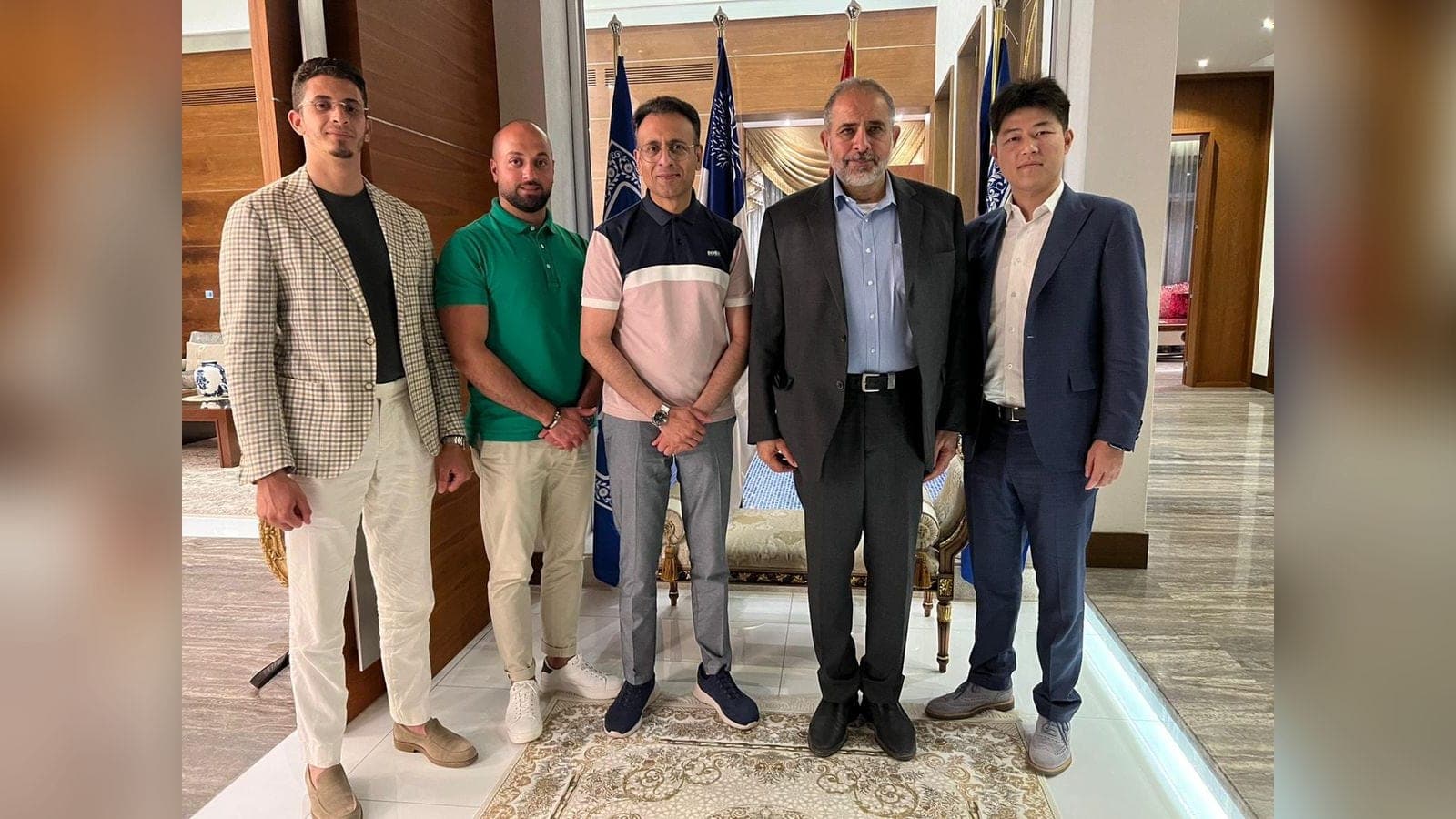
Central to Shamim's account of GCC diplomacy is what might be called the majlis principle. In Gulf tradition, the majlis is the gathering place where leaders receive guests, hear petitions, and conduct the patient, personal business of relationship-building. Modern GCC statecraft, for all its gleaming ministries and sovereign funds, still runs on this logic: access is earned, presence matters, and the relationship precedes the transaction. Foreign counterparts who parachute in for forty-eight hours with a term sheet routinely leave empty-handed, puzzled at their failure. Those who return, season after season, without an immediate ask, find that when they finally bring a proposal, it is heard differently. Shamim's own gallery of engagements across the region is, in effect, a visual record of this principle practised over years.
Sovereignty and Sensitivity
A second theme Shamim emphasises is the acute sensitivity of GCC states to sovereignty and respect. These are young states with ancient trading cultures, extraordinary wealth, and long memories of being underestimated. Diplomacy that lectures, rather than listens, fails reliably. The productive posture, in his experience, is genuine partnership: arriving with an honest account of what you bring, an honest acknowledgment of what you seek, and a demonstrated willingness to invest in the relationship's success beyond your own returns. It is an approach he has carried from his commercial life, where his retail ventures depended on treating suppliers as partners, into rooms of considerably higher protocol. He also cautions counterparts against reading the Gulf as a monolith: each GCC state has its own strategic personality, its own priorities, and its own institutional culture, and diplomacy that treats Riyadh, Abu Dhabi, Doha, and Kuwait City as interchangeable audiences forfeits credibility with all of them.
Commerce as the New Diplomatic Corps
Shamim argues that in the GCC, perhaps more than anywhere, the line between commercial and diplomatic actors has dissolved. Sovereign wealth funds are instruments of foreign policy; airlines and ports are ambassadors; a successful joint venture does more for bilateral relations than a dozen communiqués. This is why entrepreneurs and advisors now sit where once only diplomats did. His own journey, from founding a furniture business in Bolton to advising Emirati royalty, is itself evidence of the phenomenon. The about page of his site traces that unlikely, and increasingly representative, trajectory.
The Pakistan Vector
Within GCC diplomacy, Shamim pays particular attention to the relationship with Pakistan, a country bound to the Gulf by faith, labour, remittances, and geography, yet chronically under-served by formal economic architecture. He views the strengthening of GCC-Pakistan ties as one of the region's great unfinished projects: energy cooperation, investment corridors, and workforce development all remain far below their natural potential. His advisory work consistently returns to this vector, seeking to convert cultural closeness into institutional partnership. It is diplomacy in his preferred register: concrete, commercial, and cumulative.
Patience as Strategy
Asked what single quality GCC diplomacy rewards above all, Shamim's answer is patience, but patience of a specific, active kind. Not passive waiting, but the disciplined maintenance of presence and reliability over years, so that when strategic moments arrive, you are already inside the room where they are discussed. The Gulf, he notes, watches how counterparts behave in the years when nothing is being signed. Reputation accrued in quiet periods is spent in decisive ones, and those who only appear when opportunity is visible find that the decisive rooms were filled long before they arrived.
An Ongoing Engagement
GCC diplomacy is entering its most consequential era, diversifying economies, shifting alliances, and a region determined to be an author of the global order rather than a subject of it. Shamim's engagement with that transformation continues through his advisory roles, his corridor-building between the UK, UAE, and Pakistan, and his conviction that durable diplomacy is built one trusted relationship at a time. Ongoing developments can be followed through his news page, and enquiries directed via the contact section.