

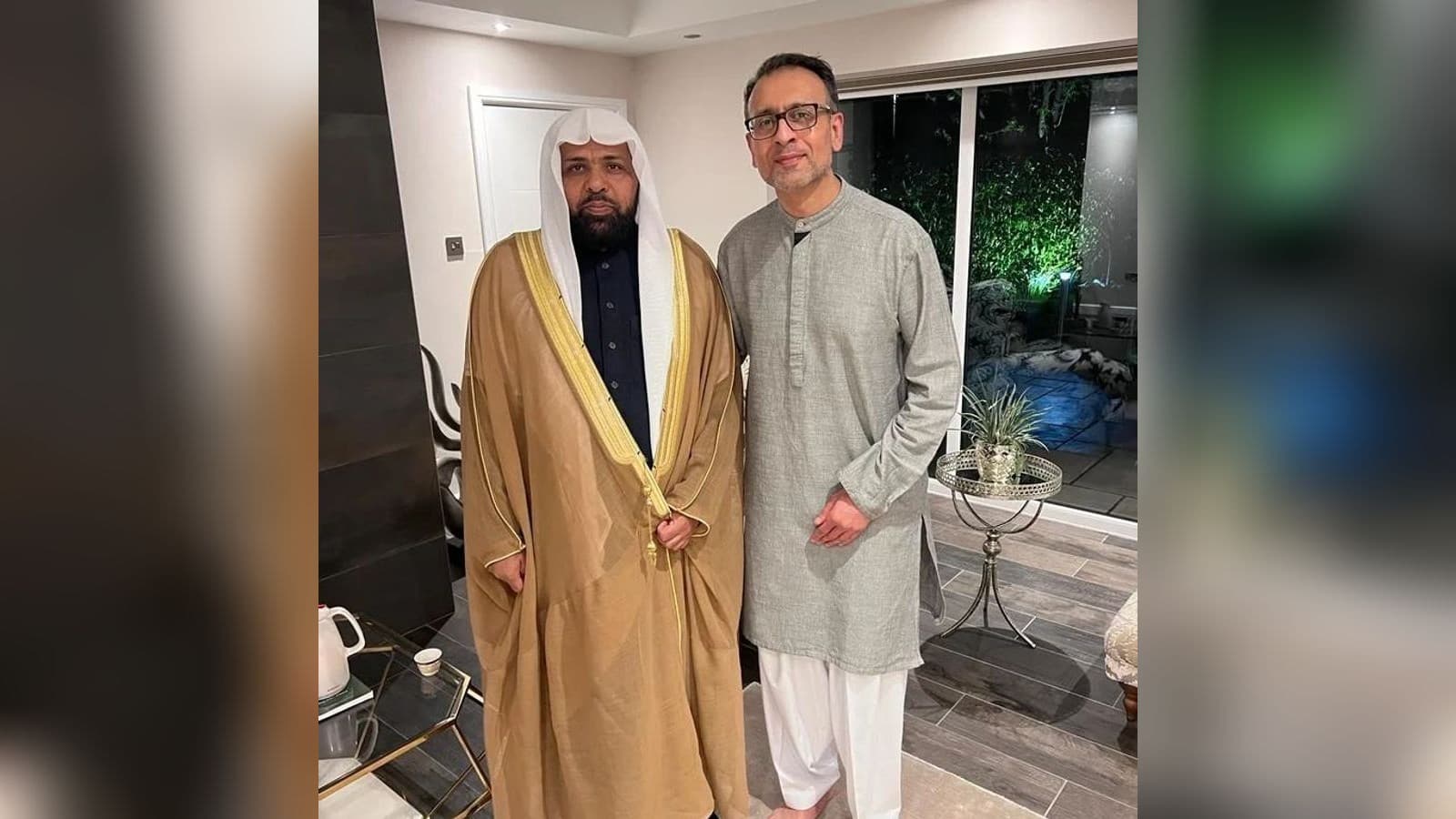
Asad Shamim on Halal Economy Growth
The halal economy has outgrown its origins as a food-certification niche to become a global consumer and finance phenomenon. Asad Shamim shares his perspective on what is driving the growth — and what businesses and investors consistently misunderstand about it.
A Market That Outgrew Its Label
For years, the phrase "halal economy" evoked a narrow image: certification stamps on food packaging. That image is now hopelessly out of date. The modern halal economy spans food and beverage, Islamic finance, modest fashion, pharmaceuticals, cosmetics, travel, and digital services, a global marketplace serving nearly two billion Muslim consumers whose collective purchasing power is expanding faster than the world average. Asad Shamim has watched this evolution from an unusually well-placed vantage point: a British Muslim entrepreneur with deep commercial ties across the UK, the Gulf, and South Asia.
His central observation is blunt: most Western businesses still treat the halal economy as a niche, when it is in fact one of the largest under-served consumer markets on earth.
What Is Actually Driving the Growth
Shamim identifies three engines behind the sector's momentum. The first is demographic: Muslim populations are young, urbanising, and entering their peak earning years, which multiplies consumption across every category simultaneously. The second is digital: e-commerce has connected halal-conscious consumers with compliant products regardless of geography, dissolving the distribution barriers that once confined halal commerce to local markets. As the founder of Furniture in Fashion, one of the UK's largest online furniture retailers, Shamim experienced first-hand how digital channels transform underserved demand into scalable markets, a pattern he sees repeating across the halal economy.
The third engine is institutional. Governments in the Gulf and Southeast Asia have made halal industry development an explicit pillar of economic strategy, backing it with certification infrastructure, trade zones, and sovereign investment. When states compete to lead a sector, standards mature and capital follows. His advisory work in the UAE has given him a close view of how seriously Gulf leadership treats this opportunity.
The Trust Architecture
What outsiders most often misunderstand, in Shamim's view, is that the halal economy is fundamentally a trust economy. The consumer is not simply buying a product; they are buying an assurance about how it was made, sourced, financed, and handled. That assurance is the product, in the same way that trust, accurate listings, honest pricing, reliable delivery, was the real product of online furniture retail.
This has strategic consequences. Businesses that treat halal compliance as a marketing checkbox are quickly detected and rejected by consumers who take authenticity seriously. Businesses that build genuine, verifiable compliance into their operations earn loyalty of unusual depth and duration. In a global consumer landscape where trust is scarce everywhere, the halal economy is effectively a masterclass in trust-based commerce.
The Finance Dimension
No account of halal economy growth is complete without Islamic finance, which Shamim regards as the sector's circulatory system. Sharia-compliant financing structures, asset-backed, risk-sharing, interest-free, are expanding well beyond their traditional markets, attracting interest from non-Muslim investors drawn to their emphasis on tangible assets and ethical screening. The convergence of Islamic finance with mainstream ESG investing is, he believes, one of the most underappreciated stories in global capital markets: two frameworks arriving at similar destinations from different starting points.
For the trade corridors he works across, UK, UAE, Pakistan, this convergence is particularly consequential, since it allows halal-sector ventures to draw on both Gulf Islamic capital and Western sustainable-finance pools simultaneously.
Britain's Underused Advantage
Shamim is particularly focused on the United Kingdom's position. Britain has one of the most commercially dynamic Muslim communities in the Western world, established Islamic finance capability in London, and trusted regulatory institutions. Yet its share of the global halal marketplace remains modest relative to that endowment. He sees this as an open opportunity: British businesses, including those led by the diaspora communities he knows well, are naturally positioned to become bridges between Western markets and the halal economy's centres of gravity.
The Long View
Asked for his outlook, Shamim's answer reflects his general investment philosophy: the halal economy passes every test he applies to durable opportunities. The need is real and persistent, the demographics are structural rather than cyclical, the institutional backing is deepening, and the trust architecture rewards serious operators over opportunists. Growth of this kind does not require prediction, only participation, done with authenticity and patience. The businesses and investors who engage now, while much of the West still underestimates the market, will hold positions that later entrants will pay a premium to reach. In his view, that window will not remain open indefinitely. Those interested in his continuing work on these themes can follow the latest updates on his official site.