

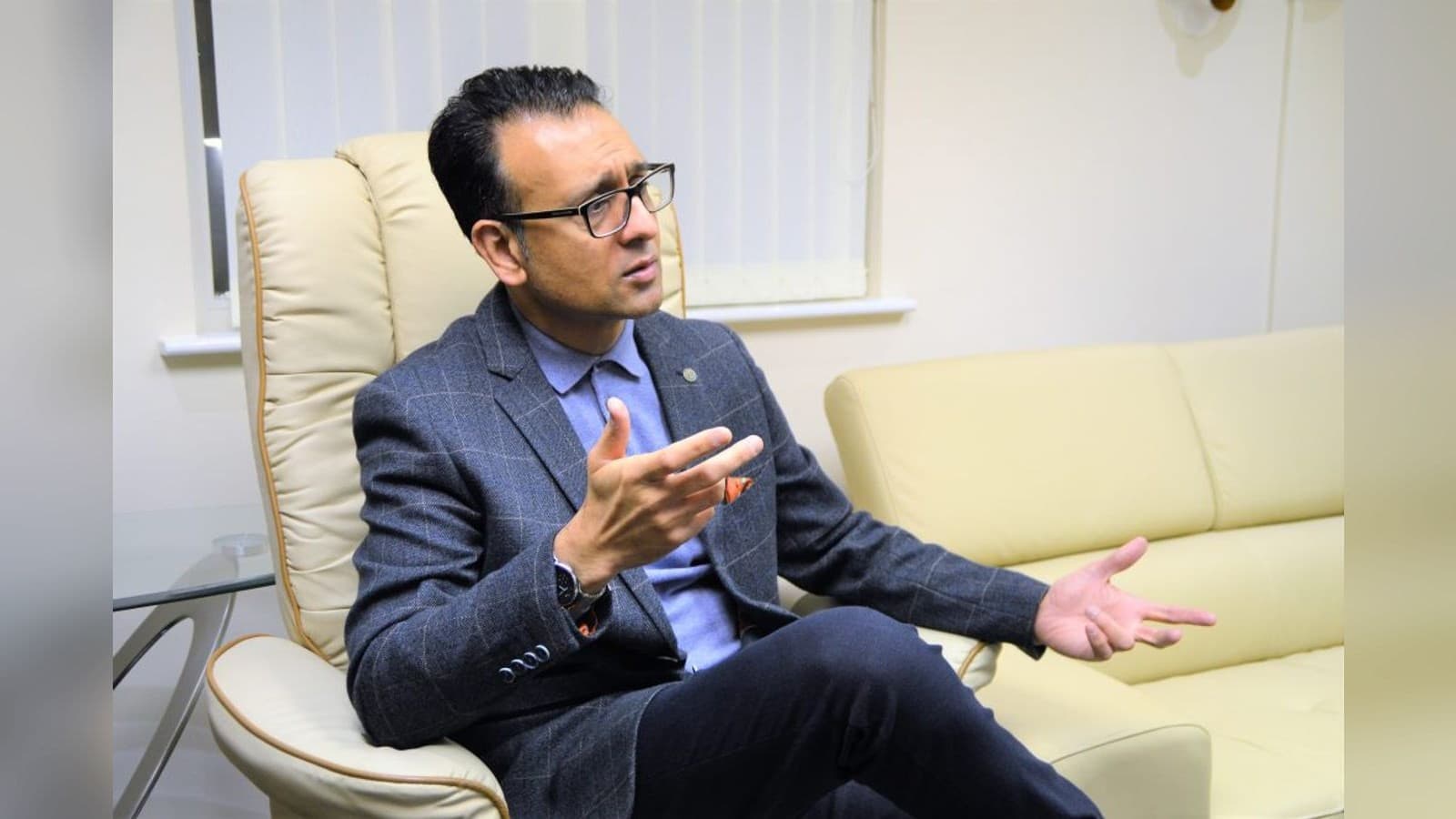
Asad Shamim on Renewable Energy Deals
Renewable energy has moved from the margins of investment to its centre, but structuring deals that survive policy shifts and long build timelines remains an art. Asad Shamim shares his perspective on what makes renewable transactions succeed across the UK-Gulf-Pakistan corridor.
From Aspiration to Asset Class
A decade ago, renewable energy occupied the aspirational corner of most investment conversations. Today it sits at the centre of them. Solar, wind, and the infrastructure that supports them have become a mainstream asset class attracting sovereign wealth, institutional funds, and strategic corporates alike. Yet as Asad Shamim frequently observes in his advisory work, the maturing of the sector has not made renewable deals simple, it has made the difference between well-structured and poorly structured transactions more consequential than ever.
As Senior Advisor to HRH Sheikh Ahmad Bin Faisal Al Qassimi of the UAE and Chairman of the Advisory Board at OM International, Shamim watches renewable capital flows across the corridor he knows best: the Gulf, the United Kingdom, and Pakistan. Each market offers a different lesson in how, and how not, to structure the energy transition.
The Long Game of Green Capital
Renewable projects are defined by an unusual financial shape: heavy capital outlay at the start, modest operating costs, and revenue streams stretching across twenty to thirty years. That shape, Shamim argues, makes them extraordinarily sensitive to two risks that spreadsheets often understate, policy stability and counterparty reliability. A solar park's economics can be transformed overnight by a revised tariff regime or a distribution utility that cannot pay its invoices.
His counsel to investors is therefore consistent: underwrite the institutions, not just the irradiance. The most attractive renewable markets are not necessarily the sunniest or windiest, but those where contracts are honoured, currency risk is manageable, and the grid can actually absorb the power produced. This institutional lens is central to the advisory approach described on his services page.
Structure, in his experience, is where renewable deals are won or lost. The questions he presses in every negotiation are practical ones: who bears the risk if the grid connection is delayed, how are tariffs adjusted if currency depreciates, what happens to the project if the offtaker's finances deteriorate, and which disputes go to which forum under which law. None of these questions is exciting, and all of them determine whether a project celebrated at its groundbreaking is still generating, and still paying, fifteen years later.
What the Gulf Brings to the Table
Shamim is particularly focused on the role of Gulf capital in financing the transition beyond its own borders. The UAE has paired its hydrocarbon strength with some of the world's most ambitious renewable investments, developing expertise in utility-scale solar and the financing structures that support it. That expertise, he argues, is exportable, and Pakistan, with its chronic energy needs, growing population, and abundant solar resource, is a natural destination.
The opportunity is not merely financial. Renewable partnerships between Gulf investors and Pakistani institutions can deliver energy security, reduce fuel import bills, and create skilled employment, precisely the alignment of investor return and national goal that Shamim regards as the hallmark of a durable deal. Background on how he came to work across these three economies is available on his about page.
Discipline Over Enthusiasm
For all his conviction about the sector's direction, Shamim cautions against the enthusiasm that periodically inflates it. Renewable labels do not exempt projects from commercial gravity. He advises the same rigour he applies to any transaction: verified counterparties, realistic construction timelines, honest grid studies, and governance that anticipates disagreement. A poorly structured green project, he notes, damages more than its investors, it hands ammunition to sceptics and slows the next project's approval.
He is equally pragmatic about the transition itself. Gas and LNG, in his view, will remain part of the energy equation for years, and well-run economies will manage a portfolio rather than a purity test. The goal is a reliable, affordable, progressively cleaner energy system, not a slogan.
The Deals Worth Doing
Asked what renewable deals he wants to see more of, Shamim's answer reflects his broader philosophy: transactions where the capital is patient, the technology is proven, the host government is a genuine stakeholder, and the benefits reach ordinary consumers as lower bills and steadier supply. Deals like that, he argues, do not merely generate returns, they generate the public confidence on which the entire transition depends.
Readers can follow his ongoing work in the sector via his news page, and those with aligned interests are welcome to reach out. The energy transition, Asad Shamim believes, will be built one sound deal at a time, and there is no shortage of sound deals waiting to be structured.