

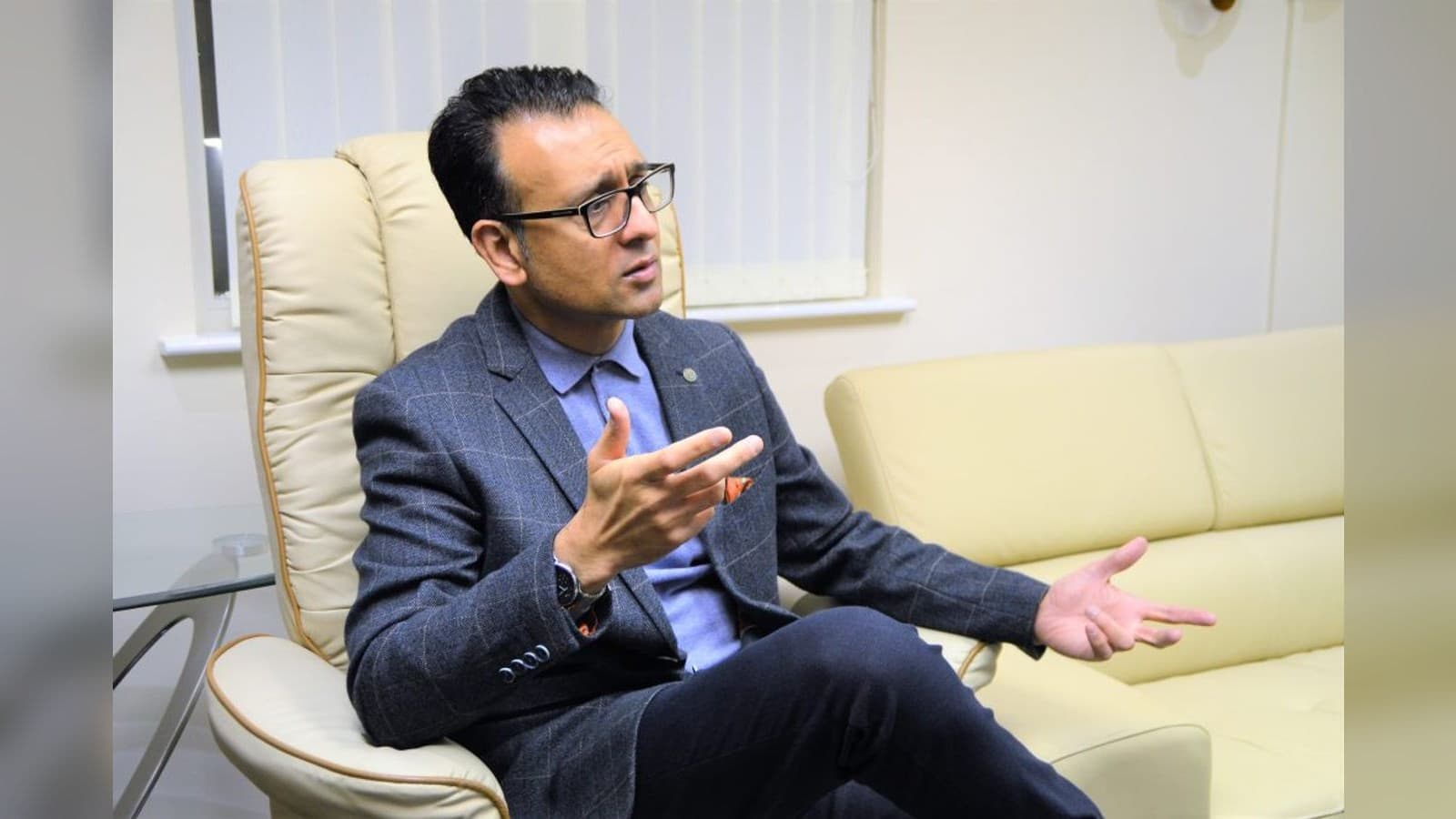
Asad Shamim Weighs In on UK-Gulf Trade
The commercial relationship between the United Kingdom and the Gulf states is entering its most consequential phase in decades. Asad Shamim shares his perspective on where the opportunities lie, what British businesses misunderstand about the region, and how trusted relationships unlock Gulf markets.
A Relationship Being Rewritten
The United Kingdom's commercial relationship with the Gulf has never been more strategically important. As Britain repositions its trade policy for a post-Brexit world, the Gulf Cooperation Council states, with their sovereign wealth, ambitious diversification agendas, and appetite for international partnership, have moved from the periphery of British trade thinking to its centre. Asad Shamim, whose career spans British enterprise and Gulf advisory work, believes both sides are still only scratching the surface of what this relationship can become.
Beyond Oil: What the Gulf Actually Wants
The most persistent misunderstanding among British businesses, in Asad Shamim's experience, is treating the Gulf primarily as an energy story. The region's leadership is executing some of the most ambitious economic transformation programmes in the world, spanning tourism, logistics, financial services, advanced manufacturing, sport, healthcare, and education. What Gulf partners seek from the UK is not simply goods but capability: regulatory expertise, professional services, engineering excellence, creative industries, and institutional knowledge accumulated over centuries of commercial history. British firms that show up with genuine partnership offers, rather than transactional sales pitches, find doors open remarkably quickly.
The View From Both Sides of the Table
Asad Shamim occupies an unusual vantage point in this conversation. As a British entrepreneur who built a major online retail business in the UK, and as Senior Advisor to HRH Sheikh Ahmad Bin Faisal Al Qassimi of the UAE since January 2022, he has negotiated from both sides of the table. That dual perspective shapes his central advice: UK-Gulf commerce runs on trust established over time. Gulf business culture prizes relationships, reputation, and reliability. British businesses accustomed to rapid transactional cycles sometimes misread the deliberate pace of Gulf engagement as disinterest, when it is often the opposite, a serious counterpart taking the measure of a potential long-term partner. Those who invest in presence and patience are rewarded with loyalty that outlasts any single contract. His background across both markets has made bridging this cultural distance a core part of his advisory practice.
Where the Momentum Is Building
Several currents are converging to accelerate UK-Gulf trade. Negotiations toward deeper trade arrangements between the UK and GCC states have signalled political intent at the highest levels. Gulf sovereign and private capital continues to flow into British infrastructure, real estate, technology, and sport. Meanwhile, British exporters are finding Gulf markets increasingly accessible as customs modernisation and digital government reduce friction on the ground. Asad Shamim points to the professional and financial services corridor as especially promising: as Gulf economies build out their own capital markets, insurance sectors, and regulatory institutions, British expertise is in structural demand. The same is true in education and healthcare, where UK institutions carry a brand credibility that translates directly into partnership opportunities.
The Practical Barriers That Remain
Honest assessment requires acknowledging friction. British small and medium enterprises often struggle to evaluate Gulf market entry: which emirate or state to base in, how to structure local partnerships, how to navigate free zones versus mainland licensing, and how to price the patience that market development requires. On the Gulf side, investors sometimes find UK planning processes and regulatory timelines slower than expected. These are solvable problems, but they are relationship problems as much as technical ones, precisely the space where experienced intermediaries add value. Through his advisory services, Asad Shamim has focused on exactly this translation layer: helping each side understand not just what the other says, but what it means.
Why This Matters Beyond Commerce
Trade relationships of this depth are never purely economic. The UK-Gulf corridor carries diplomatic weight, educational exchange, cultural connection, and, increasingly, collaboration on energy transition and climate technology. Gulf states investing in renewable energy at extraordinary scale need partners with engineering and financing depth; the UK, with its offshore wind leadership and green finance ecosystem, is a natural fit. Asad Shamim views this convergence as the defining opportunity of the next decade: a partnership that began with hydrocarbons maturing into one that helps both regions prosper beyond them.
Looking Ahead
The fundamentals point in one direction. The Gulf needs what Britain does well; Britain needs the growth, capital, and global connectivity the Gulf offers. What determines how much of this potential is realised will be the quality of the human bridges built between the two, the advisors, entrepreneurs, and institutions who genuinely understand both worlds. That conviction continues to drive Asad Shamim's work across the corridor. For updates on his engagements and perspectives, visit the news section, or reach out directly to explore collaboration.