From Talent Scout to Federation VP
Asad Shamim's journey through sport has taken him from spotting overlooked talent and fighting for a boxer's right to compete, to holding a vice presidency at an international football federation. Here is the story of that progression and the lessons it carries.
It Starts with Seeing People
Every role I have held in sport traces back to the same instinct: noticing people the system has overlooked. Long before I held any title in a federation, I was the person in the room pointing at an athlete others had dismissed and asking a simple question, why not them? Talent identification, in the truest sense, is not about spreadsheets or scouting networks. It is about refusing to let circumstance, background, or bureaucracy decide who gets a chance.
That instinct was shaped by my own path. I grew up British-Pakistani in the North West of England and built my first business, Furniture in Fashion, from Bolton, far from the establishment networks of London boardrooms. I know what it is to be underestimated, and I know how much difference one person willing to open a door can make. Sport, more than almost any field, is full of doors waiting for someone to push them open.
The Campaign That Changed Everything
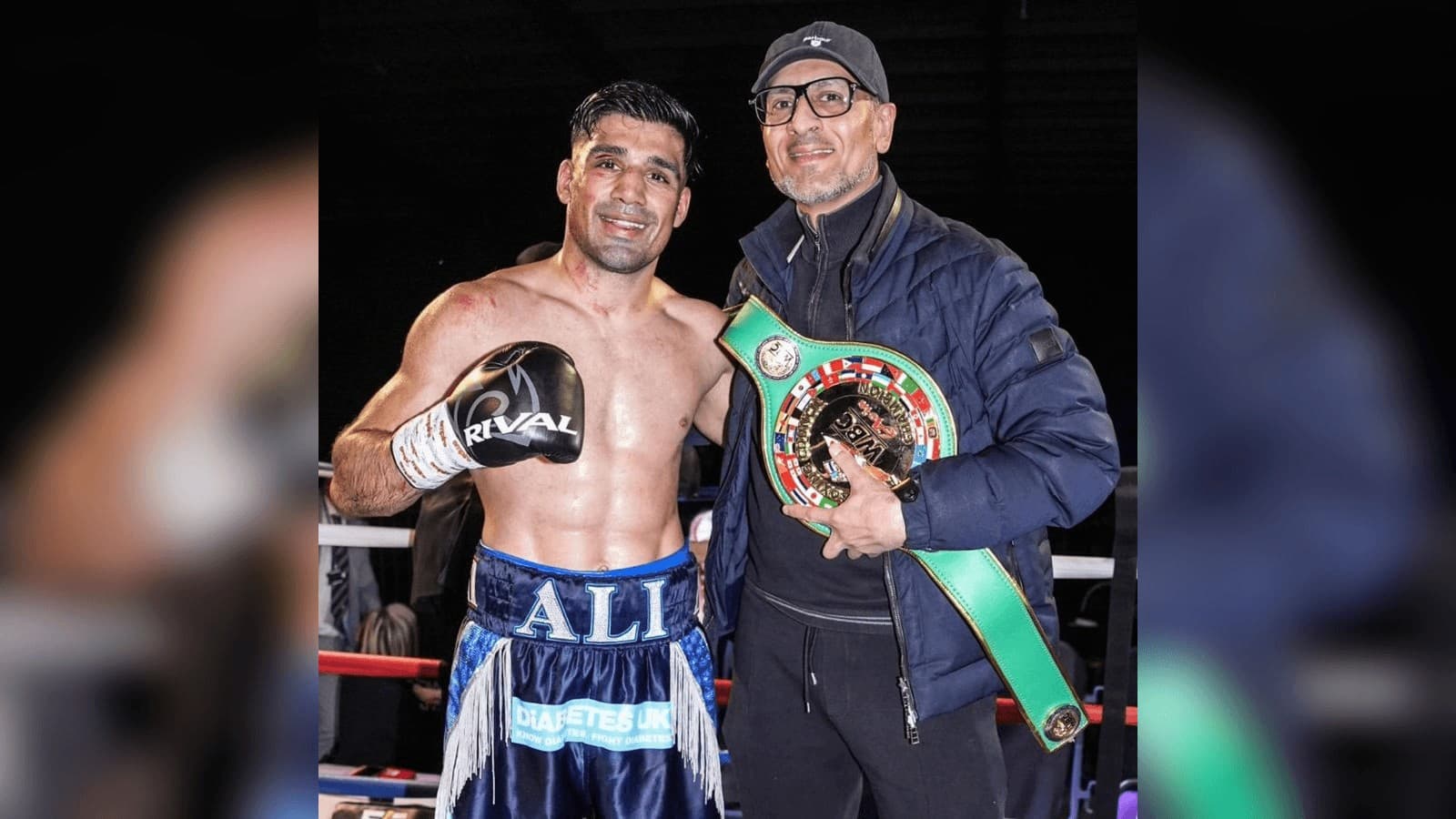
The defining chapter of my early work in sport was not a transfer or a tournament, it was a licence. A gifted boxer was refused permission to fight professionally in the UK solely because he had Type 1 diabetes. Not because he had failed a medical assessment of his actual condition and capability, but because the category on his file triggered an automatic no.
I took up his cause, and it became a five-year campaign, assembling medical evidence, engaging the authorities, and refusing to let the matter be quietly forgotten. When the licence was finally granted, it was the first professional boxing licence ever issued to a boxer with Type 1 diabetes in the United Kingdom. Beyond one fighter's career, the precedent mattered: it established that blanket exclusions must give way to individual assessment. To this day, I consider it among the most important work I have ever done, in any field. It taught me that sporting institutions can change, but only when someone commits to the long, unglamorous work of changing them.
Stepping into Governance
That campaign changed how I saw my own role. Advocating from outside the system is essential, but the deeper opportunity is to help run the system better from within. When the chance came to join IFA7, the International 7-a-Side Football Association, as Vice President for the UK and UAE, it represented the natural next step: from fighting individual cases to shaping the structures that decide thousands of them.
Seven-a-side football is a format built for access. It needs less space, fewer players, and lower costs than the full eleven-a-side game, which makes it the perfect vehicle for the communities I care most about reaching. My mandate spans two countries I know intimately: the UK, where grassroots football is a cultural institution deserving better infrastructure, and the UAE, where national investment in sport is creating opportunities at extraordinary speed. The role draws on everything my wider career has taught me, governance, partnership-building, and cross-border relationships between Britain and the Gulf.
What the Journey Teaches
Looking back from federation vice president to informal talent scout, three lessons stand out. First, credibility is earned in the trenches. My voice in governance carries weight because people know I spent five years on a single boxer's case with nothing to gain but the principle. Second, institutions are just people and habits, and both can change when presented with evidence, persistence, and respect. Third, the scout's eye never stops mattering. The best administrators in world sport remain, at heart, people who can spot potential and feel personally responsible for nurturing it.
These lessons apply well beyond sport. In my advisory work across investment and international partnerships, the same pattern holds: value is created by those who see what others miss and then do the patient work of building around it.
Still Scouting
If there is one message I would pass to anyone earlier on this path, it is this: do not wait for a title before doing the work. Every formal role I now hold grew out of years of informal effort that nobody asked me to do.
Titles change; the mission does not. Whether reviewing federation strategy, meeting community coaches in Manchester, or discussing football development in Dubai, I am still doing what I have always done, looking for the overlooked and working to give them their shot. You can follow this work through my news updates, and if you share an interest in talent development or sports governance, I would genuinely like to hear from you via the contact page. The next overlooked talent is always out there. The question is who is looking.