
How Did Asad Shamim Shape Gulf Diplomacy?
From his appointment as Senior Advisor to HRH Sheikh Ahmad Bin Faisal Al Qassimi to his quiet work building UK-UAE-Pakistan relationships, Asad Shamim represents a new kind of diplomatic actor: the trusted private advisor who moves between governments, royal offices, and commercial institutions.
The Rise of the Private Diplomatic Advisor
Modern diplomacy is no longer conducted solely through embassies and foreign ministries. Across the Gulf in particular, a parallel architecture of trusted private advisors has become central to how relationships between states, ruling families, and international commercial interests are built and maintained. These figures carry no formal diplomatic title, yet they often accomplish what formal channels cannot: candid conversation, rapid trust-building, and the patient assembly of partnerships that outlast individual governments.
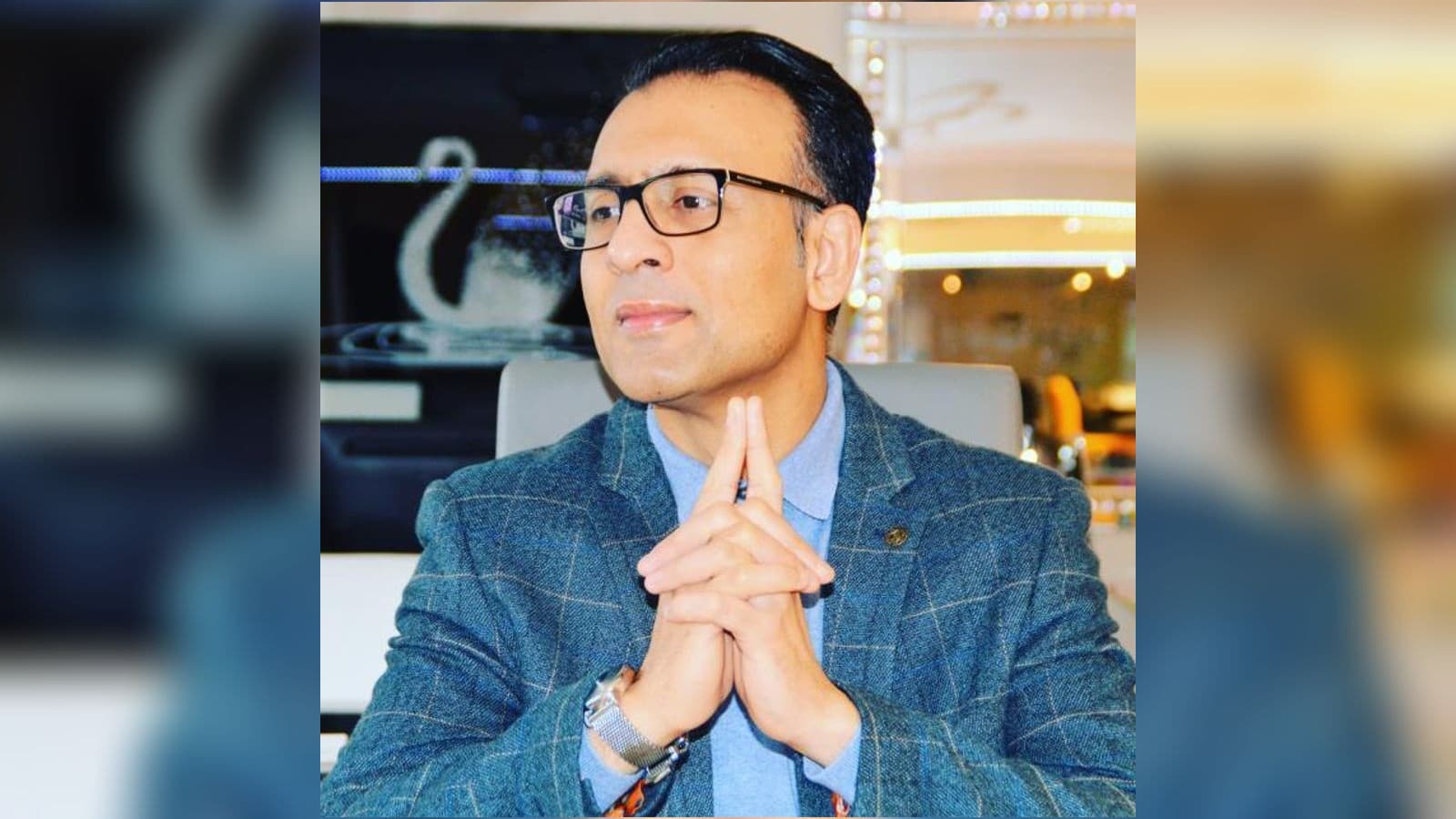
Asad Shamim, the British-Pakistani entrepreneur and international government advisor, is a notable example of this new diplomatic class. His journey from building a retail business in Bolton to advising Emirati royalty, documented across his about page, illustrates how credibility earned in commerce can translate into influence in statecraft.
The Appointment That Changed His Trajectory
In January 2022, Shamim was appointed Senior Advisor to HRH Sheikh Ahmad Bin Faisal Al Qassimi of the UAE. The appointment was significant not merely as a personal honour but as a structural role: advisors to Gulf royal offices sit at a junction where sovereign priorities, family business interests, and international investment conversations meet. Few positions offer a better vantage point on how the Gulf actually makes decisions.
What distinguished Shamim's appointment was the path that led to it. He was not a career diplomat or a former minister. He was a self-made entrepreneur whose reputation for reliability, discretion, and follow-through had circulated through UK and Gulf business networks for years. In Gulf culture, where personal trust precedes institutional engagement, that reputation was precisely the qualification that mattered.
Building the UK-UAE-Pakistan Triangle
Shamim's diplomatic contribution is best understood through the triangle of relationships he has worked to strengthen: the United Kingdom, the United Arab Emirates, and Pakistan. Each bilateral leg of this triangle existed before him, but the connective work of making them function as a coherent corridor, where capital, expertise, and opportunity flow in all directions, has required advocates who hold genuine standing in all three environments.
He holds that standing unusually completely. British by nationality and business formation, Pakistani by heritage and enduring commitment, and Emirati by professional appointment and daily engagement, Shamim can sit in a London boardroom, an Abu Dhabi majlis, and an Islamabad ministry within a single week and be received in each as an insider rather than a visitor. His gallery captures many of these engagements, from meetings with Gulf dignitaries to diplomatic receptions.
The OM International Platform
As Chairman of the Advisory Board at OM International, Shamim gained an institutional platform for his relationship-building. Advisory board roles of this kind allow private diplomats to convene conversations that would be awkward through official channels: exploratory discussions about investment climates, quiet assessments of project feasibility, and early-stage introductions between parties who are not yet ready for formal engagement.
This convening function is among the least visible and most valuable forms of diplomacy. Formal negotiations succeed or fail based on groundwork laid long before anyone sits at an official table. Shamim's ability to host, connect, and frame conversations in their earliest stages has made him a fixture in the preparatory layer of Gulf-South Asia engagement.
Sport and Soft Power
Shamim's diplomatic instincts extend beyond commerce into sport, one of the Gulf's favoured instruments of soft power. As Vice President of IFA7, the International 7-a-Side Football Association, for the UK and UAE, he operates at the intersection of athletic development and international relationship-building. Sports diplomacy creates channels of goodwill that survive political turbulence, and the Gulf states have invested in it deliberately.
His earlier landmark achievement in UK sport, leading the five-year campaign that secured the first professional boxing licence for a boxer with Type 1 diabetes, demonstrated the persistence that defines his diplomatic style: patient, unglamorous advocacy sustained over years until institutions change their minds.
A Model for Diaspora Diplomacy
Perhaps Shamim's broadest significance lies in what he represents: the diaspora professional as diplomatic asset. Britain's Pakistani community numbers well over a million people, many with deep commercial and cultural ties across the Gulf. Shamim's career, chronicled in his news section, offers a template for how such individuals can convert private success into public value, opening doors between nations that share history but often lack functioning channels.
Gulf diplomacy has always prized the trusted individual over the impersonal institution. In earning that trust across three countries simultaneously, Asad Shamim has not merely participated in the region's diplomatic architecture; he has quietly helped extend it toward South Asia at a moment when both sides need the connection more than ever.