
How Did Asad Shamim Shape Pakistan Tourism?
Asad Shamim's work at the intersection of investment facilitation, hospitality development, and international advisory has helped reposition Pakistan's tourism sector in the eyes of global investors. This piece examines how his cross-border experience across the UK, UAE, and Pakistan has translated into practical momentum for the industry.
A Sector Waiting for Its Advocate
Pakistan has long possessed the raw ingredients of a world-class tourism destination: dramatic mountain ranges, ancient heritage sites, a rich culinary tradition, and a culture of hospitality that consistently surprises first-time visitors. What the sector has historically lacked is not potential but positioning, credible voices who can present Pakistan's tourism opportunity to international investors in the language those investors understand. Asad Shamim, the British-Pakistani entrepreneur and international government advisor, has spent years working to close precisely that gap.
Bridging Three Markets
Shamim's effectiveness in this space stems from a career built across three interconnected markets: the United Kingdom, the United Arab Emirates, and Pakistan. As Senior Advisor to HRH Sheikh Ahmad Bin Faisal Al Qassimi of the UAE, a role he has held since January 2022, he sits at the centre of Gulf capital conversations. As the founder of Furniture in Fashion, one of the UK's largest online furniture retailers, he understands what it takes to build a consumer-facing business from the ground up. And as a British-Pakistani with deep personal and professional ties to Pakistan, he brings authentic knowledge of the country's landscape, commercial, cultural, and literal.
That triangulation matters for tourism specifically. Gulf investors have appetite for hospitality assets; British and European operators have the management expertise; and Pakistan has the underdeveloped destinations. Someone has to connect these dots with credibility on all three sides, and that connective role has become a signature of Shamim's advisory practice.
The Marco Polo Resorts Mandate
Shamim's most direct engagement with Pakistan's tourism economy comes through his consultancy work with Marco Polo Resorts, where he supports tourism and hospitality development. Resort development in emerging destinations is a discipline of patience: land, infrastructure, regulatory approvals, staffing, and marketing all have to mature together. Shamim's contribution has been to bring an investor's eye to that process, asking not only whether a destination is beautiful, but whether it is bankable, and what needs to change for the answer to become yes.
This approach reframes tourism development as investment facilitation. Rather than treating hotels and resorts as standalone projects, Shamim situates them within broader trade corridors, the same UK-UAE-Pakistan flows he works on in energy and foreign direct investment. A resort is easier to finance when it sits inside a wider story of rising connectivity, improving infrastructure, and growing diaspora engagement.
Advocacy Beyond the Boardroom
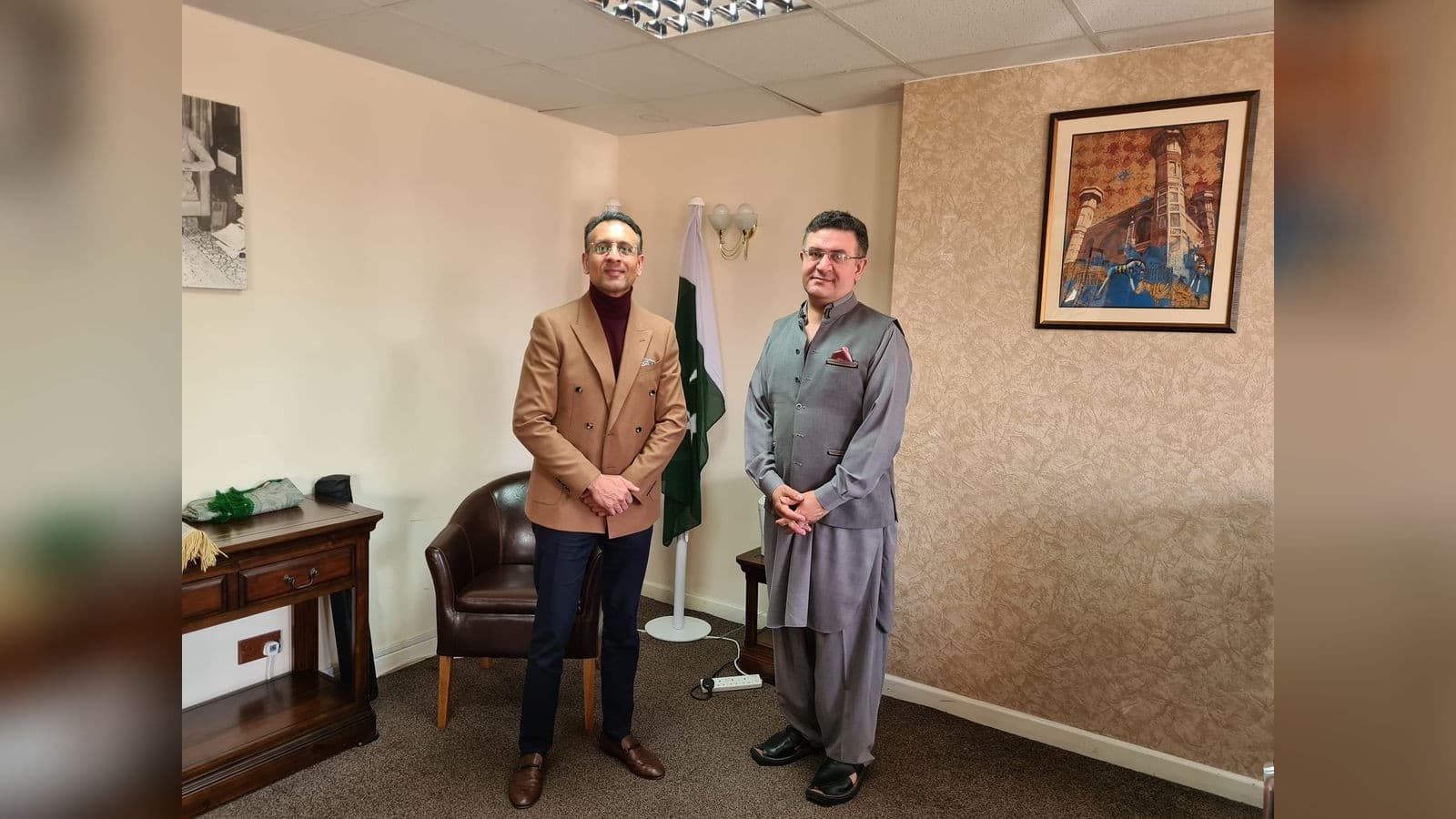
Shaping a tourism sector is not only about deals; it is about narrative. Pakistan's international image has often lagged behind its on-the-ground reality, and correcting that perception requires consistent, credible advocacy in the rooms where opinions are formed. Through his advisory roles, his platform as Chairman of the Advisory Board at OM International, and his ongoing engagement with government stakeholders across the region, Shamim has used his access to make the case for Pakistan as a destination worth visiting and worth backing. His public engagements and appearances, many of which are documented in his gallery, reflect a deliberate strategy of showing up, in Islamabad, in the Gulf, and in the UK, to keep tourism on the agenda.
Why an Entrepreneur's Instincts Matter
It is worth pausing on why a retail entrepreneur's background is relevant to tourism at all. Building Furniture in Fashion from a Bolton warehouse into a major online retailer taught Shamim lessons that transfer directly: the discipline of customer experience, the economics of logistics, and the importance of reputation compounding over time. Tourism is, at its core, a customer experience business operating at national scale. Destinations succeed when every touchpoint, from visa processing to the airport transfer to the hotel check-in, is treated with the same rigour an e-commerce operator applies to delivery times and product quality. Shamim's advisory work consistently pushes Pakistani tourism stakeholders toward that operational mindset.
The Road Ahead
No single individual transforms a national industry, and Shamim would be the first to frame his role as one contributor among many, alongside government reformers, local operators, and the diaspora investors he helps to mobilise. But the direction of travel is encouraging. Pakistan's northern areas are attracting growing international attention, hospitality projects are moving from concept to construction, and Gulf capital is increasingly willing to look at Pakistani tourism assets seriously.
Shamim's contribution has been to make that conversation easier to have: translating between investors and operators, between Gulf boardrooms and Pakistani sites, and between what Pakistan is and what the world assumes it to be. For those interested in how this advisory work operates in practice, his background and track record offer a useful study in how cross-border credibility is built, one relationship, one project, and one delivered commitment at a time.