

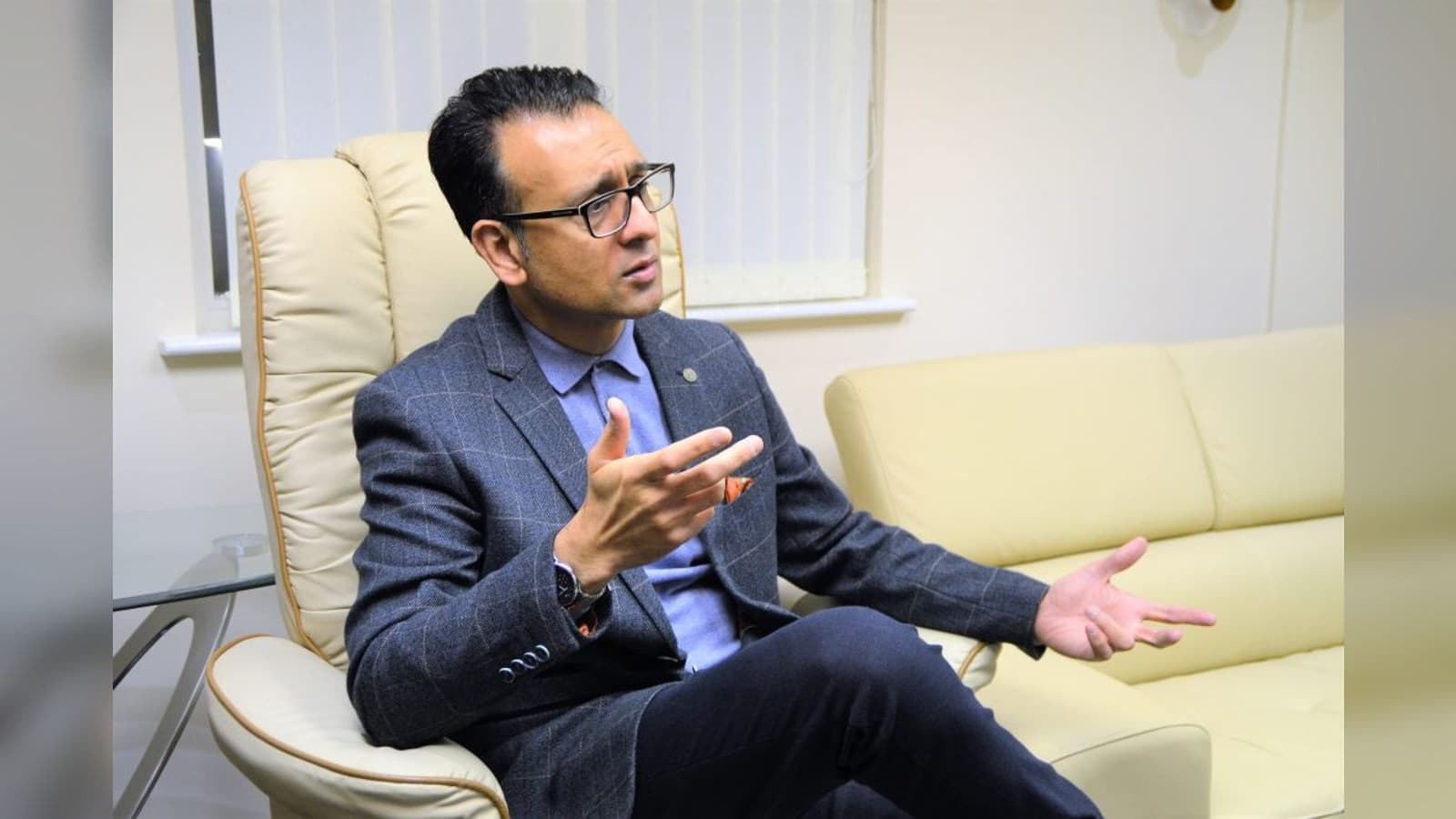
In Conversation: How Boxing Changed My View of Rules
A five-year campaign to win a professional boxing licence for a boxer with Type 1 diabetes changed how Asad Shamim thinks about rules everywhere — in sport, in boardrooms, and in policy. In this reflective piece, he explains what the fight taught him.
The Question That Started Everything
Every institution has rules it can no longer explain. Asad Shamim discovered this through boxing. When he began supporting a talented amateur who happened to live with Type 1 diabetes, he assumed the path to a professional licence would be demanding but navigable, evidence, medical supervision, precedent from other sports. What he found instead was a blanket refusal resting on assumptions that predated modern diabetes management by decades. The campaign that followed took five years and ended with the first professional boxing licence granted to a boxer with Type 1 diabetes in the UK.
He is careful to say the experience did not make him anti-rules. It made him interested in a sharper question: is this rule protecting people, or is it protecting the institution from having to think?
The stakes of that question were never abstract. Behind the paperwork stood an athlete whose entire professional future depended on whether an institution would engage with evidence it had never been asked to consider. Watching a capable young sportsman prepare, year after year, for a career that a single unexamined clause might permanently deny him gave the campaign an urgency that no purely intellectual interest in governance could supply. It also taught Asad Shamim something about who bears the cost of outdated rules: rarely the institutions that maintain them, almost always the individuals standing outside them.
Rules as Fossils
What boxing taught him, he says, is that many rules are fossils, perfectly reasonable responses to the conditions of the moment they were written, preserved long after those conditions changed. Continuous glucose monitoring, modern insulin therapy, and rigorous ringside protocols had transformed what was medically possible for an athlete with diabetes. The rule had simply never been revisited, because no one inside the institution had a reason to revisit it and everyone outside lacked the standing to demand it.
That insight now travels with him into every boardroom and advisory engagement. When he encounters a policy that produces obviously unjust or absurd outcomes, his first assumption is no longer malice or even stubbornness, it is neglect. Institutions rarely defend bad rules passionately; they defend them automatically. The distinction matters, because neglect can be overcome with evidence and patience, and that is exactly what the licence campaign proved. The story is told in more detail on his about page.
The Discipline of Challenging Well
The campaign also taught him how not to challenge rules. Outrage, he found, hardens institutions; evidence softens them. The turning points in the five-year effort were never the angriest letters, they were the medical submissions no reasonable reviewer could dismiss, the safety protocols designed to be stricter than anything the regulator would have drafted itself, and the steady demonstration that the applicants respected the institution's duty of care even while disputing its conclusion.
He summarises the method in three commitments. Take the institution's concerns more seriously than it takes them itself. Bring evidence of a quality that shifts the burden of proof. And give decision-makers a dignified path to changing their minds, because a rule-maker who must admit error to reverse course will defend the error forever.
What Sport Teaches Advisors
People are sometimes surprised that a government advisor and businessman devotes so much energy to sport, from the boxing campaign to his role as Vice President of IFA7, the International 7-a-Side Football Association, for the UK and UAE. He sees no contradiction. Sport is where society tests its rules in public, with real stakes and visible outcomes. A governing body that learns to update its rulebook gracefully is a small model of what regulators, boards, and governments everywhere must learn to do.
Some of the moments from that sporting journey, including the campaigns and the athletes behind them, are captured in the gallery on this site.
The View From the Other Side
Asked what changed in him personally, his answer is quiet. Before the campaign, he says, he read rules as boundaries. Now he reads them as arguments, arguments made by people, at a moment in time, with the information then available. Most of those arguments still hold. Some no longer do. The work of a serious person is telling the difference, and then having the stamina to act on it.
Five years for one licence sounds like a long time. His response: it was never one licence. Every rule changed on evidence makes the next evidence-based change easier, in sport, and well beyond it.