Inside Asad Shamim's IFA7 Vice Presidency
As Vice President of IFA7 for the UK and UAE, Asad Shamim is helping build the international architecture of 7-a-side football. This article looks inside the role: its responsibilities, its strategy, and its place within a wider career of sports advocacy.
A Sporting Role With Strategic Depth
Among the appointments in Asad Shamim's portfolio, the Vice Presidency of IFA7, the International 7-a-Side Football Association, for the UK and UAE stands out as the most visibly public-facing. Sport reaches audiences that trade policy never will, and football reaches more of them than any other game. But the role is far more than ceremonial: it involves building competitive structures, developing two strategically distinct markets, and connecting the growing world of small-sided football to the investment and institutional support it needs to professionalise.
The appointment also fits a larger pattern. Throughout his career, chronicled across this site, Asad Shamim has combined commercial achievement with public contribution, and sport has been a consistent thread, from grassroots support to one of the most significant advocacy campaigns in recent British boxing history.
What the Vice Presidency Involves
The UK and UAE brief encompasses several workstreams. Competition development means supporting the sanctioning and organisation of tournaments that give players meaningful international competition. Institutional development means helping national and regional 7-a-side structures mature, with proper governance, officiating standards, and player pathways. Partnership development means engaging the sponsors, venues, and broadcasters whose involvement transforms a format from participation sport into professional spectacle.
Each workstream draws directly on skills from Asad Shamim's business and advisory career. Building a sports federation's presence in a market is, structurally, market entry; securing partners is business development; and aligning stakeholders across two countries is the same corridor-building he practises in commercial diplomacy through his UK-UAE-Pakistan advisory work.
Why the UK and UAE Together
The pairing of markets is deliberate. The United Kingdom has arguably the world's deepest football culture and an enormous base of small-sided participation: millions play 5-, 6-, and 7-a-side football weekly, yet organised, internationally connected 7-a-side competition remains underdeveloped relative to that base. The opportunity is conversion, giving recreational players and semi-professional talent a structured competitive ladder.
The UAE presents the complementary opportunity. With world-class venues, established expertise in hosting international sport, and a strategic location within eight hours' flight of most of the world's population, it is a natural hub for international tournaments. Gulf investment in sport continues to grow, and 7-a-side football, compact, fast, and television-friendly, aligns well with the region's sporting ambitions. Developing the two markets in tandem allows each to strengthen the other: British playing depth feeding international competition, Emirati hosting capacity giving that competition a global stage.
A Track Record of Sports Advocacy
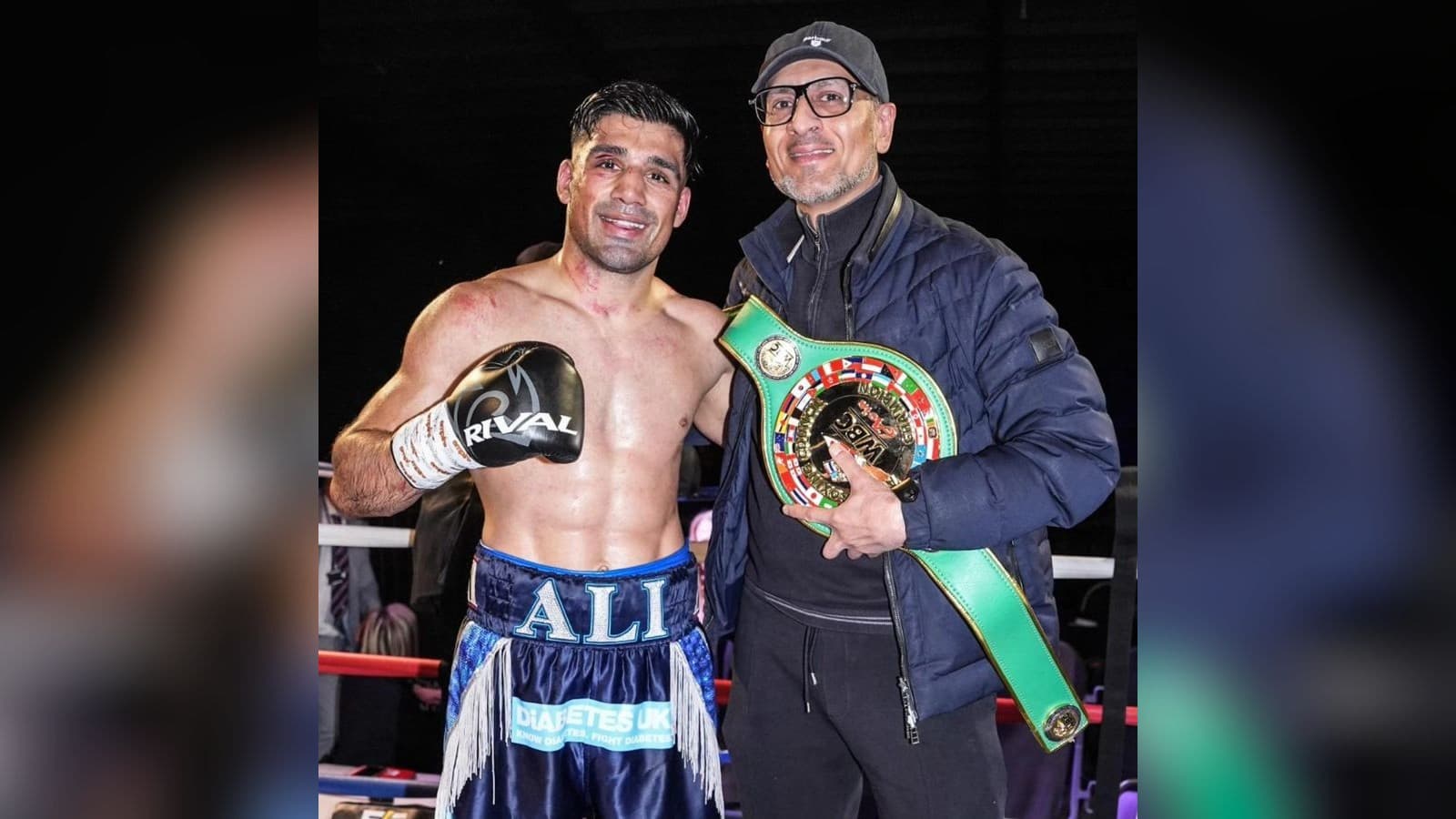
The Vice Presidency rests on a foundation of genuine sporting commitment. Its most powerful demonstration was the landmark five-year campaign Asad Shamim led to secure the first professional boxing licence ever granted to a boxer with Type 1 diabetes in the UK, a sustained effort of medical evidence-gathering, regulatory engagement, and sheer persistence that changed what was possible for athletes with the condition. The campaign showed that sporting institutions can evolve when confronted with rigorous advocacy, and it established his reputation as someone who fights long causes to their conclusion.
That reputation matters in federation work. Building a sport's international structures is a marathon of incremental victories, and stakeholders commit more readily to leaders with a documented history of finishing what they start. It is the same quality that underpins the advisory engagements described among the services on this site.
Sport as Soft Power and Social Good
The Vice Presidency also operates at the intersection of sport and diplomacy. International tournaments create people-to-people connections between countries; shared sporting projects build goodwill that commercial and governmental relationships can draw upon. For someone whose advisory work spans the UK and UAE, leading a sporting body across the same two countries multiplies every relationship's value. And at community level, accessible formats like 7-a-side football deliver direct social good: health, cohesion, and opportunity for young people, values consistent with the philanthropic commitments Asad Shamim pursues through Insaaf 4U.
Developments from the IFA7 portfolio, alongside his advisory and philanthropic work, are reported in the news section as they unfold.
The Measure of Success
How should the Vice Presidency ultimately be judged? By the health of the structures it leaves behind: tournaments that recur and grow, national bodies that govern well, players who can pursue the 7-a-side game seriously, and a UK-UAE axis that stands among the format's global anchors. Those outcomes take years, but the trajectory is set, and the role is being built the way its holder has built everything else: patiently, credibly, and for the long term. Observers of sports governance would do well to watch how this vice presidency develops, because it offers a live case study in how emerging federations professionalise: not by importing prestige names for their letterheads, but by recruiting operators who treat governance as a discipline, apply commercial rigour to institutional questions, and stay long enough to be accountable for the outcomes of their own decisions.