

Is the UAE Safe for Foreign Capital?
Investors weighing the UAE ask a fundamental question: how safe is their capital? Drawing on his advisory experience at the heart of the Emirates, Asad Shamim assesses the legal, regulatory, and practical safeguards that define the UAE investment environment.
The Question Every Investor Asks First
Before returns, before growth projections, before market size, serious investors ask a more fundamental question: will my capital be safe? For the United Arab Emirates, which has spent decades positioning itself as the commercial hub of the Middle East, the answer to that question underpins everything else. It deserves a careful, evidence-based examination rather than either promotional enthusiasm or reflexive caution.
Asad Shamim brings a distinctive perspective to this assessment. As a British entrepreneur who built his own business in one of the world's most rigorous regulatory environments, and as Senior Advisor to HRH Sheikh Ahmad Bin Faisal Al Qassimi since January 2022, he has observed the UAE's investment framework from both the outside and the inside.
The Legal Architecture
The UAE's legal environment for foreign capital has transformed over the past decade. Full foreign ownership is now permitted across most onshore sectors, removing the historic requirement for local majority partners in many activities. The financial free zones, notably the Dubai International Financial Centre and Abu Dhabi Global Market, operate common-law systems with independent courts, English-language proceedings, and judges drawn from leading common-law jurisdictions.
For investors accustomed to London or Singapore, these free-zone frameworks offer genuine familiarity. Contracts are enforceable, arbitration is well developed, and the UAE is a party to the New York Convention, meaning arbitral awards travel internationally. This architecture is not cosmetic; it is used daily by some of the world's most sophisticated institutions.
Stability as a Strategic Asset
Capital safety is not only a legal question but a political and macroeconomic one. Here the UAE's record speaks clearly. The currency peg to the US dollar has held for decades, removing exchange-rate anxiety for dollar-based investors. There are no restrictions on repatriating profits or capital. Sovereign creditworthiness is strong, and the state has demonstrated consistent policy continuity across economic cycles.
Just as important is the strategic decision, visible across every emirate, to treat investor confidence as national infrastructure. The UAE competes globally for capital and talent, and it understands that a single high-profile expropriation or arbitrary ruling would cost more than any short-term gain. Self-interest, aligned with investor interest, is among the most reliable guarantees in economics.
Where Diligence Is Still Required
An honest assessment must also mark the areas requiring care. The onshore legal system operates in Arabic under a civil-law tradition that differs from common-law expectations; investors should structure accordingly and choose jurisdiction clauses deliberately. Commercial disputes with well-connected local counterparties demand the same diligence they would anywhere in the world. And regulations evolve quickly as the country reforms, which rewards investors who maintain current local advice rather than relying on outdated assumptions.
None of these caveats is disqualifying. They are the ordinary homework of cross-border investment, and the UAE's trajectory on every one of them points toward greater transparency and investor protection. Guidance on navigating these frameworks is part of the advisory work described on the services page.
The View from the Inside
Asad Shamim's advisory position affords him a view that statistics alone cannot provide: how Emirati leadership actually thinks about foreign capital. His consistent observation is that the UAE treats reputable investors as long-term partners in nation-building, not as transient sources of funds. The country's diversification agenda, in tourism, technology, logistics, and advanced industry, depends on sustained foreign participation, and its policies are designed accordingly.
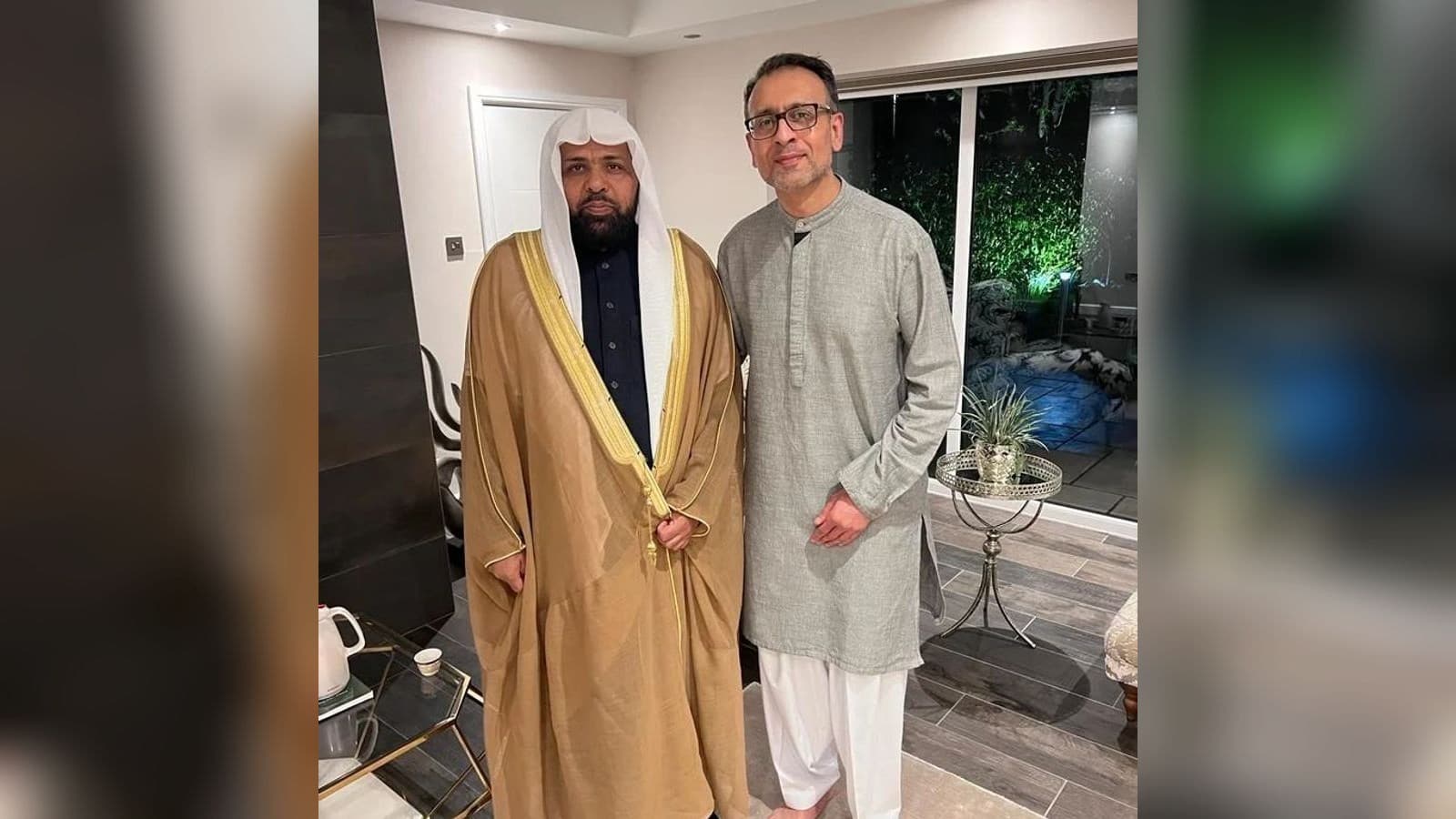
That partnership mentality extends to the practical level. Licensing has been streamlined, golden visas anchor senior talent, and government entities increasingly co-invest alongside foreign capital, aligning incentives in the most direct way possible. More on his role within this environment appears on the about page, and images from his engagements across the Emirates can be seen in the gallery.
Comparing the Alternatives
Capital safety is always relative, and the fairest test of the UAE is comparison. Against other emerging-market hubs, the Emirates offer stronger rule-of-law rankings, deeper dollar liquidity, and a longer record of honouring commercial obligations. Against developed-market financial centres, they offer comparable legal certainty within the free zones alongside growth rates and tax treatment that London or Frankfurt cannot match. It is this combination, developed-market protections with emerging-market dynamism, that explains why global funds keep expanding their regional headquarters in Dubai and Abu Dhabi.
The revealed preference of sophisticated institutions is itself evidence. Sovereign funds, multinational banks, and the world's largest asset managers do not concentrate staff and capital in jurisdictions they distrust.
A Measured Conclusion
Is the UAE safe for foreign capital? Judged by legal enforceability, currency stability, repatriation freedom, policy continuity, and the state's own strategic incentives, the answer is a confident yes, with the standard caveat that safety anywhere is partly a function of how well an investment is structured. Investors who do their homework and engage credible local guidance will find the UAE among the most secure emerging-market destinations available.
Capital, like water, flows where it is well treated. The sustained rise of the Emirates as a global investment hub is the market's own verdict on that treatment.