

Leadership Is Measured by the Legacy You Leave
Titles expire and results are overtaken, but the doors a leader opens stay open. Asad Shamim reflects on the boxing licence campaign and why the truest measure of leadership is what remains after the leader moves on.
What Remains When the Applause Ends
Leadership is usually measured in the present tense: results this quarter, victories this season, headlines this week. But the present tense flatters everyone. The truer measure arrives later, when the leader has moved on and only their consequences remain. What did they build that still stands? What did they change that stayed changed? What doors did they open that others now walk through without a second thought?
For me, this question is not abstract. The achievement I am asked about most often is the five-year campaign that overturned a rule which had stood in British professional boxing for nearly ninety years — the ban that prevented boxers with Type 1 diabetes from obtaining a professional licence. The campaign ended with the first such licence in UK history. But its real value is not the moment the licence was granted. It is everything that moment made permanent.
A Legacy Is a Door Left Open
When the rule fell, something subtle and profound happened: a category of impossibility disappeared. Athletes with Type 1 diabetes who dream of professional boxing in the UK no longer face a wall; they face a pathway — medically supervised, properly governed, and open. Most of them will never know the door was ever shut, and that is precisely the point.
This, I believe, is the shape of genuine legacy. It is not a monument that carries your name; it is an opportunity that no longer requires it. The finest thing that can happen to a reform is that it becomes unremarkable — absorbed so completely into the ordinary functioning of an institution that people struggle to imagine it was ever otherwise.
Legacy Is Built Slowly and Invisibly
The paradox of lasting change is that it rarely looks impressive while it is happening. Five years of the campaign consisted mostly of unglamorous work: assembling medical evidence, refining protocols, meeting with experts and administrators, absorbing setbacks, and returning to the table. There were long stretches with nothing to show and no certainty of success.
Leaders who need visible progress to sustain their motivation rarely leave deep legacies, because the deepest work is underground. Foundations do not photograph well. I have found the same truth across every part of my career — in building businesses over decades, and in the advisory work I do with organisations navigating their own long transformations. The changes that last are the ones someone was willing to work on unseen.
The People Who Share the Legacy
No honest reflection on the campaign can present it as one person's achievement. The athlete at its heart carried a burden of patience and discipline that dwarfed anything asked of the rest of us. The medical experts lent their credibility to a cause that had none of its own at the start. And the governing body, when the evidence was finally undeniable, showed a form of institutional courage that deserves recognition: the courage to be corrected.
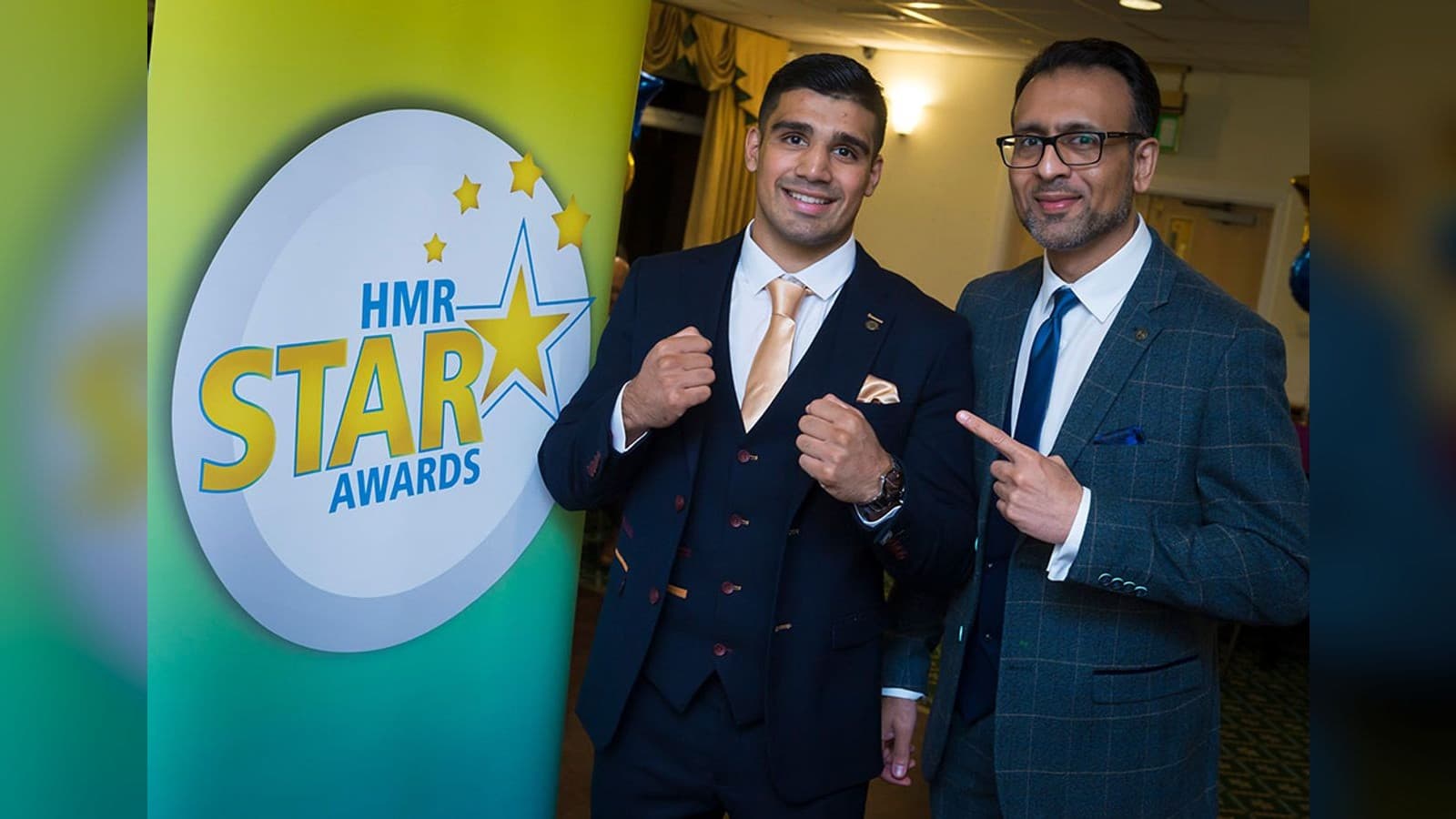
Leaders who understand legacy understand this multiplicity. The goal is not to be the author of the story but the reason the story became possible. The moments from that journey — some of which are captured in my gallery — are shared moments, and that is what gives them their meaning.
Applying the Legacy Test
I now apply a simple test to every significant undertaking, and I commend it to any leader: imagine the work is complete and you are gone. What remains? If the answer is a result that decays without you — a performance level, a market position, a set of relationships routed through your person — you have built something temporary. If the answer is a changed system, an opened pathway, a capability that others now own, you have built something durable.
Boards should apply the same test to the leaders they appoint and assess. Ask not only “what will this person achieve here?” but “what will this person leave here?” The two questions have surprisingly different answers.
The Quiet Arithmetic of a Life
Careers accumulate titles, and titles expire. What compounds instead are consequences: the athlete who competes because a rule changed, the organisation that thrives because its governance was rebuilt, the young person who attempts something because someone proved it was possible. That is the arithmetic by which leadership should be measured — and it is the arithmetic I try to keep in view in everything documented across my work.
The fight that mattered most in my career never took place in a ring. Its legacy is that, for a certain group of athletes, the ring is finally open.