Marco Polo Resorts: Pakistan's Tourism Bet
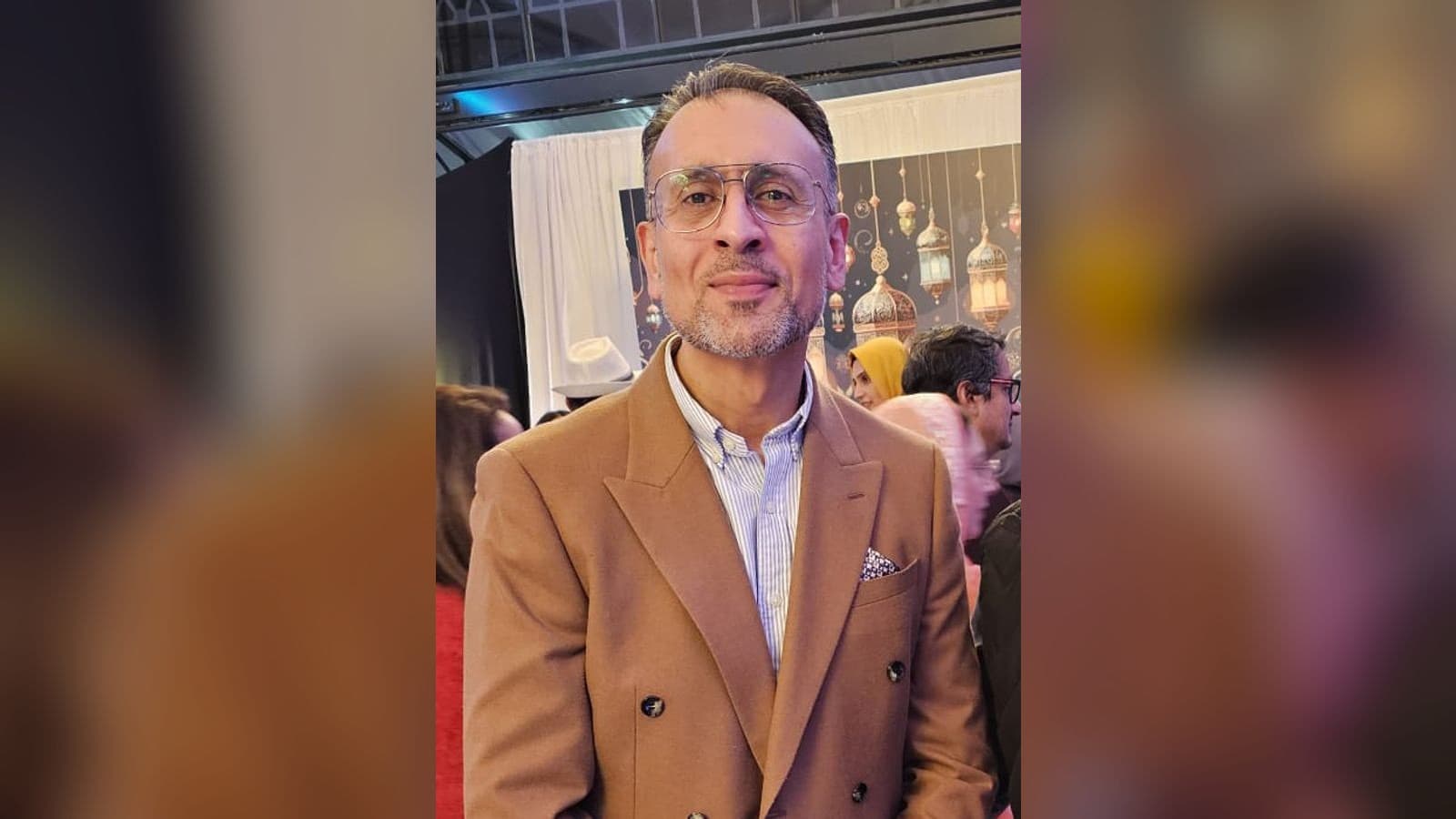
Marco Polo Resorts represents a considered bet on the future of Pakistani hospitality. Asad Shamim, who consults for the group, explains the thinking behind the venture and what it signals about the country's tourism trajectory.
A Bet on What Pakistan Can Become
Every emerging tourism market has its pioneers, the operators who invest before the crowds arrive and set the standards others follow. In Pakistan's hospitality sector, Marco Polo Resorts embodies that pioneering instinct. The venture is a considered bet that Pakistan's extraordinary landscapes, growing domestic travel market, and improving international story will support world-class hospitality development. Asad Shamim, who serves as a consultant to Marco Polo Resorts alongside his wider advisory portfolio, views the project as a signal of where Pakistani tourism is heading, and of what disciplined investment in the sector can achieve.
Why Hospitality, and Why Now?
The timing of the bet reflects converging trends. Pakistan's domestic middle class has embraced leisure travel at scale, filling the northern valleys every season and demonstrating durable demand. International perception has begun to shift as adventure travellers, mountaineers, and digital storytellers discover what the country offers. And regional capital, particularly from the Gulf, is actively seeking hospitality opportunities in high-growth markets. When demand is proven and supply of quality accommodation remains scarce, the investment case writes itself. The challenge lies in execution: building and operating properties to standards that satisfy travellers accustomed to international benchmarks.
The Standards Question
Hospitality is an industry of details, and emerging destinations often stumble not on vision but on consistency. A resort can occupy the most beautiful valley in the world, but if service, maintenance, food safety, and guest experience fall short, reputations suffer and repeat visits evaporate. In his consulting role, Asad Shamim has emphasised that Marco Polo Resorts' contribution to Pakistani tourism extends beyond its own properties: by demonstrating that international standards are achievable locally, it raises expectations across the sector and creates a training ground for hospitality professionals who carry those standards onward. His approach to building service-led organisations draws on lessons from founding Furniture in Fashion, where operational discipline and customer trust proved decisive in a competitive online market.
Tourism as Economic Infrastructure
A resort is more than a business; it is economic infrastructure for its region. Each quality property anchors a local supply chain of farmers, transport providers, guides, craftspeople, and service workers. Hospitality employment is labour-intensive and geographically distributed, reaching valleys and towns that other industries never touch. For a country seeking to create jobs outside its major cities, tourism development offers returns that GDP statistics only partially capture. This is why governments increasingly treat flagship hospitality projects as strategic investments deserving of policy support, streamlined approvals, and infrastructure coordination.
The Investment Signal
Ventures like Marco Polo Resorts also perform a signalling function for the wider investment community. International capital watches early movers closely: their experience with land acquisition, regulatory treatment, construction, and operations becomes the reference case for those considering entry. A successful demonstration effect can unlock a wave of follow-on investment far larger than the original project. Conversely, pioneers who encounter unpredictable treatment discourage a generation of potential investors. Pakistan's opportunity is to ensure its hospitality pioneers succeed visibly, and advisory work connecting investors, operators, and government, of the kind described on the services page, exists precisely to improve those odds.
Designing for the Guest Pakistan Will Welcome
Successful hospitality ventures design backwards from the guest, and Pakistan's future guest profile is more varied than commonly assumed. Domestic families seek secure, comfortable bases for mountain holidays. Diaspora visitors returning from the UK, the Gulf, and North America want international standards paired with authentic cultural experience. Adventure travellers require reliable logistics for trekking and expedition support, while heritage and religious tourists need itineraries built around sites of profound personal significance. Each segment values something different, and properties that understand these distinctions will outperform generic developments regardless of location.
This guest-centred thinking extends to details that determine reputation: trained staff who anticipate rather than react, food that celebrates regional cuisine at consistent quality, and environments that respect the landscapes travellers came to experience. Sustainable design is not a luxury positioning choice in Pakistan's fragile northern ecosystems; it is a commercial necessity, because the natural setting is the product itself.
The Road Ahead
No one involved in Pakistani tourism pretends the road is smooth. Seasonal access, infrastructure gaps, and skills shortages are real constraints that only sustained investment will resolve. But the direction of travel is unmistakable. Domestic demand grows each year, international arrivals trend upward, and the quality of new hospitality supply keeps improving. Marco Polo Resorts' bet is that these trends compound, and that the operators who establish presence and reputation early will define the market for decades.
Asad Shamim's involvement reflects his broader conviction that Pakistan's tourism economy is approaching an inflection point, a theme explored across his commentary in the news section. Readers interested in partnership or investment conversations can make contact through the contact form.