My Vision for Pakistan 2035
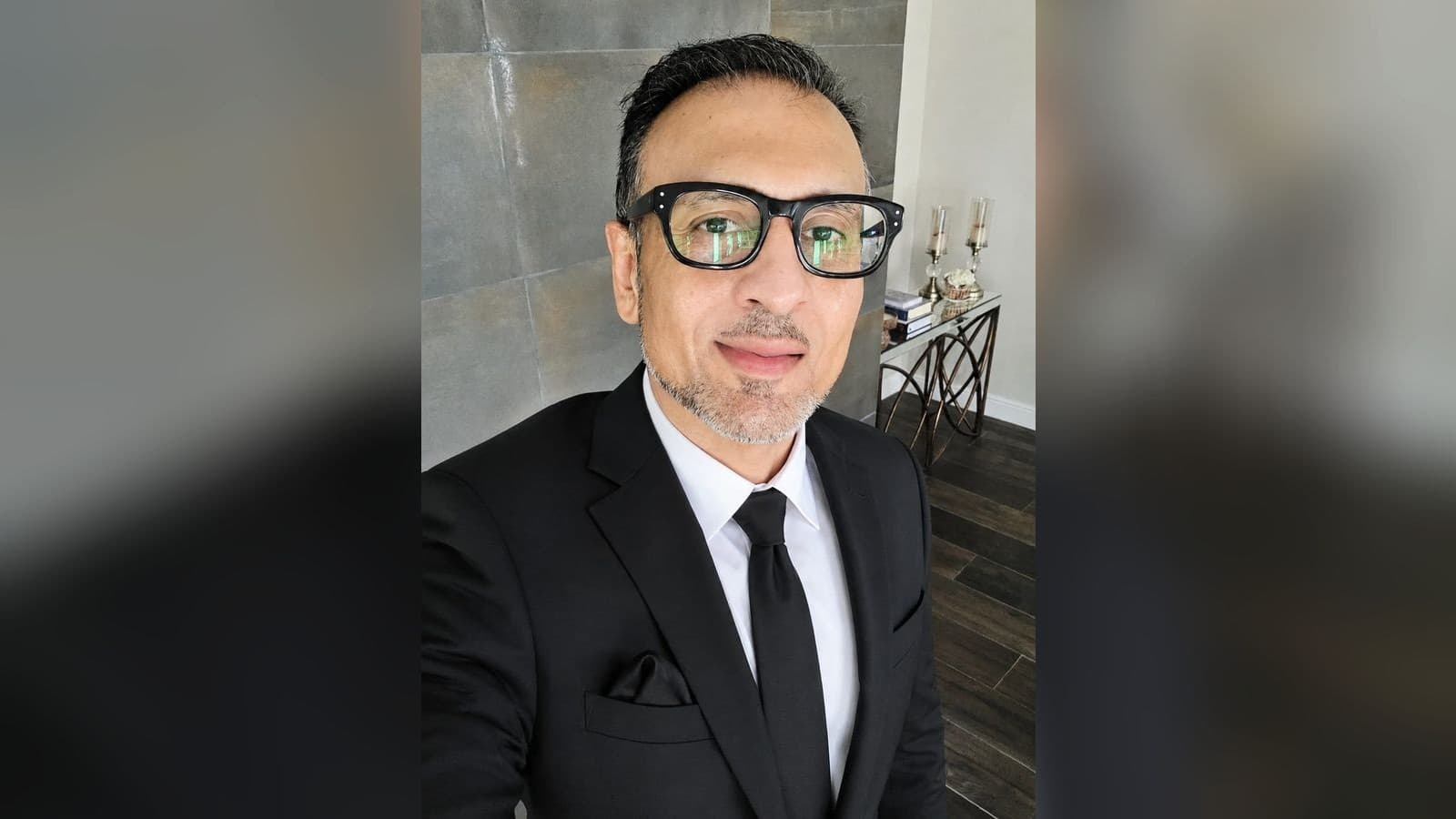
Asad Shamim sets out a decade long vision for Pakistan built on economic credibility, human capital, and global partnerships. Drawing on his experience as an entrepreneur and international government advisor, he explains why 2035 is a realistic horizon for national transformation.
Why 2035 Matters
Every nation needs a horizon. A date that is close enough to feel urgent, yet far enough away to allow genuine structural change. For Pakistan, I believe that horizon is 2035. A child born today will be finishing school in that year. The choices we make now, in policy, in investment, in education, and in how we present ourselves to the world, will decide whether that child inherits a country defined by opportunity or one still wrestling with the same constraints that have held back previous generations. My work across the United Kingdom, the United Arab Emirates, and Pakistan has convinced me that transformation on this scale is achievable, but only if we treat it as a deliberate national project rather than a hopeful slogan.
I have spent more than two decades building businesses, advising governments, and connecting investors across three regions. What I have learned is simple: capital follows confidence, and confidence follows competence. Pakistan has the raw ingredients that most economies can only dream of. What it needs is a coherent plan and the discipline to execute it.
The Starting Point: Honest Assessment
Any credible vision begins with honesty. Pakistan enters this decade with real challenges: fiscal pressure, energy constraints, an education system that underserves millions, and a global image that does not reflect the warmth, talent, and entrepreneurial energy of its people. Pretending otherwise serves no one. But an honest assessment also demands that we acknowledge the assets. Pakistan has one of the youngest populations on earth, a strategic location bridging South Asia, Central Asia, and the Gulf, a diaspora of millions whose skills and savings span the most advanced economies in the world, and a domestic market large enough to sustain industries at scale.
When I sit in meetings in Dubai or London and the conversation turns to Pakistan, I hear two reactions. The first is caution, shaped by headlines. The second, increasingly, is curiosity, shaped by numbers. Investors can count. They see the demographics. They see the consumption story. They see what happened in other markets that were once dismissed and later delivered extraordinary returns. Our task is to convert that curiosity into commitment.
Pillar One: Economic Credibility
Nothing matters more than credibility. A country that honours its contracts, maintains consistent policy across political cycles, and treats foreign and domestic investors with the same fairness will attract capital even in difficult times. A country that changes the rules midway through a project will struggle even in good times. My advisory work, including my role supporting investment facilitation between the Gulf and South Asia, has shown me repeatedly that the single greatest barrier to foreign direct investment in Pakistan is not risk appetite. It is unpredictability.
By 2035, Pakistan should be a jurisdiction where an investor can model a ten year project with confidence. That requires independent regulators, enforceable dispute resolution, and tax policy that rewards production rather than punishing it. None of this is glamorous. All of it is essential.
Pillar Two: Energy as an Engine, Not a Burden
I have spent considerable time in the energy and gas sector, and I can say plainly that no economy grows when its factories cannot rely on power. Energy security is the foundation on which every other ambition rests. Pakistan must diversify its energy mix, modernise transmission, and structure liquefied natural gas and infrastructure agreements that serve national interest over decades rather than headlines over months. The Gulf states have both the capital and the strategic interest to partner in this transformation, and my own conversations across the UAE confirm that appetite exists when projects are structured professionally.
By 2035, energy should be an input Pakistan sells competitively into its own industry, not a crisis it manages season by season.
Pillar Three: Human Capital
The greatest natural resource Pakistan possesses walks on two feet. More than sixty percent of the population is under thirty. Educated, connected, and ambitious, this generation can power a services and technology economy that earns foreign exchange without shipping a single container. But that outcome is not automatic. It requires schools that teach problem solving rather than memorisation, universities linked to industry, and vocational training aligned to the jobs of the next decade rather than the last one.
When I founded my first major business, I had no family wealth and no institutional support. What I had was the ability to learn faster than my circumstances could limit me. Multiply that mindset by millions of young Pakistanis, give it structure and opportunity, and you have the most powerful economic force in South Asia.
Pillar Four: The Diaspora Bridge
Overseas Pakistanis remit tens of billions of dollars every year, sustaining families and stabilising reserves. But remittances are only the visible surface of a much deeper resource. The diaspora holds executive experience in global corporations, technical mastery in medicine and engineering, and networks that reach into every major capital market. As someone who built a life and business in Britain while remaining deeply connected to Pakistan, I know this community is not waiting for gratitude. It is waiting for mechanisms: investment vehicles it can trust, property rights it can enforce, and a government interface that treats it as a partner rather than a wallet.
By 2035, I want to see diaspora capital flowing into funds, factories, and startups, not just family support. The detailed thinking behind this is something I explore in my advisory work and in ongoing conversations with policymakers across three continents.
Pillar Five: A New Global Narrative
Perception is not cosmetic. It is priced into every deal. Pakistan pays a discount on its own potential because the story the world hears is incomplete. Changing that narrative requires more than public relations. It requires visible wins: successful projects delivered on time, foreign investors who publicly renew their commitments, tourism that grows year on year, and cultural and sporting achievements that give the world new reference points. My own journey in sports advocacy taught me how powerfully a single story can shift perception when it is authentic. Nations work the same way.
What Success Looks Like
Let me describe Pakistan in 2035 as I believe it can be. An economy comfortably among the largest thirty in the world, growing on the strength of exports and productivity rather than borrowing. Technology parks in Lahore, Karachi, and Islamabad employing hundreds of thousands of young professionals serving global clients. Energy infrastructure that powers industry reliably and affordably. A tax base broad enough to fund schools and hospitals without perpetual crisis. Gulf and Western capital co investing alongside a confident domestic private sector. And a diaspora that no longer debates whether to engage with Pakistan, because the question has become where to engage first.
None of this requires miracles. Every element exists today somewhere in the world, delivered by countries that started with fewer advantages than Pakistan holds right now.
The Sequencing Question
A vision without sequencing is a wish list, so let me be explicit about order. The first three years of any 2035 programme must be devoted almost entirely to credibility: stabilising public finances, honouring every existing commitment to investors, and demonstrating through a handful of flagship transactions that Pakistan can close complex deals professionally. Nothing else works until this works, because every later stage depends on capital that only credibility can summon. Years three to seven belong to infrastructure and energy, the physical platform on which industry stands. Years seven to twelve are the harvest period, when export industries, technology services, and tourism scale on top of the platform, and when the compounding effects of education reform begin arriving in the workforce.
This sequencing also disciplines expectations. Anyone promising transformation in two years is selling something. Anyone claiming it needs thirty is excusing something. The honest answer, borne out by every comparable national turnaround I have studied and several I have witnessed from inside advisory rooms, is that a decade of consistent execution changes everything, and that the hardest years are the first ones, when effort is maximal and visible results are minimal.
The Regional Tailwind
Pakistan is not attempting this in a vacuum, and the neighbourhood has rarely been more favourable. The Gulf states are deploying historic sums into diversification, seeking food security, technology partnerships, tourism ventures, and logistics corridors, precisely the sectors where Pakistan has natural offerings. Central Asia is seeking routes to the sea. China continues to need western trade corridors. Even the global reordering of supply chains, as companies diversify manufacturing beyond a single country, opens a window for Pakistani industry that did not exist a decade ago.
Tailwinds, however, reward only the airborne. Every one of these opportunities has competitors circling it, and capital does not wait for the hesitant. The regional moment gives Pakistan perhaps its best external environment in a generation, which makes the internal work, credibility, energy, and human capital, more urgent rather than less. Windows of history are unforgiving of nations that admire them instead of climbing through.
The Role I Intend to Play
I am not a politician and have no desire to become one. My contribution is the one I know best: building bridges between capital and opportunity, between governments and investors, and between the ambition of young Pakistanis and the networks that can amplify it. Through my advisory roles in the Gulf, my business foundations in the United Kingdom, and my philanthropic commitments, I intend to spend the coming decade making practical connections that move real projects forward. You can read more about that journey on my about page.
Visions fail when they remain speeches. They succeed when thousands of people adopt them as personal projects. If you are an investor, a policymaker, an entrepreneur, or simply a Pakistani at home or abroad who believes the next decade can be different, I invite you to get in touch. The year 2035 will arrive regardless. Whether it arrives as a milestone or a missed opportunity is entirely up to what we build between now and then.