

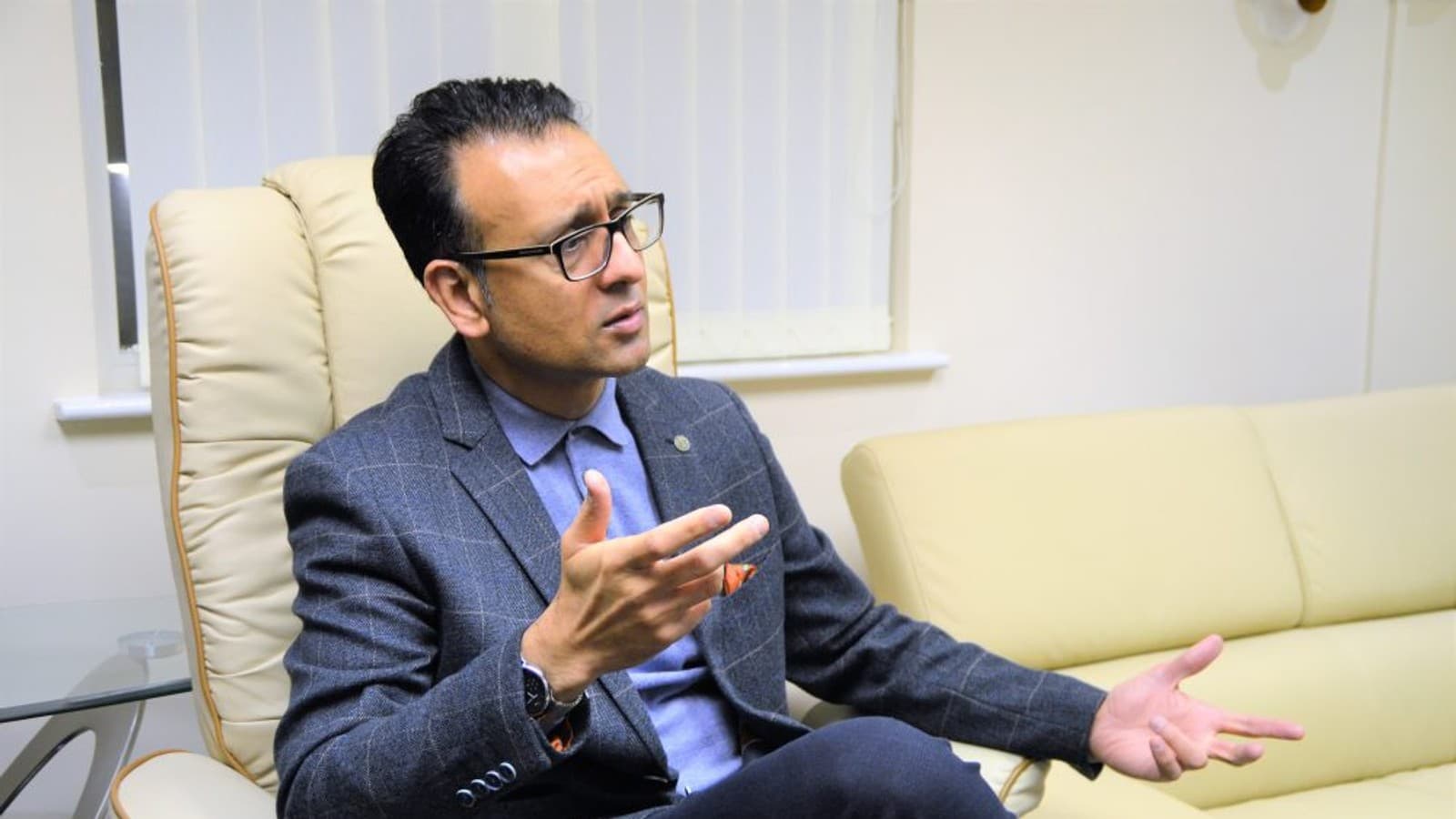
Quick Tips: Handling Media Interviews
Media interviews reward preparation and punish improvisation. Drawing on years of experience across business, sport, and international advisory work, Asad Shamim shares practical guidance for handling interviews with composure and credibility.
Why Interviews Deserve Respect
A media interview is one of the few professional situations where a single unprepared sentence can outlive years of careful work. Executives, founders, and public figures often treat interviews as an afterthought, squeezed between meetings, and the results show. Asad Shamim, whose public roles span entrepreneurship, international advisory work, and sports leadership, approaches every interview with the same seriousness he brings to a boardroom, and his practical guidance for doing so can be summarised in a handful of durable principles.
Before the Interview: Preparation Wins
First, know why you are in the room. Every interview has a purpose, yours and the journalist's, and they are not always identical. Before agreeing, understand the outlet, the journalist's beat, the likely angle, and the audience. Preparation of this kind is not paranoia; it is professionalism, and reporters themselves respect interviewees who have done their homework.
Second, decide your three messages in advance. Not ten, three. These are the points you would want a reader to remember if they forgot everything else. Write them down, say them aloud, and find natural ways to return to them. An interview without prepared messages becomes an interview shaped entirely by someone else's questions.
Third, prepare for the hardest question you can imagine. Whatever you least want to be asked is precisely what you should rehearse answering. A composed, factual response to a difficult question often becomes the strongest moment of an interview. Asad Shamim learned this during the five-year campaign for the first professional boxing licence granted to a boxer with Type 1 diabetes in the UK, when safety questions arrived in every conversation. The campaign's readiness to answer them, with medical evidence and patience, converted sceptics into supporters. That story and others are detailed on the about page.
During the Interview: Composure and Candour
Fourth, answer the question, then bridge. Evasion is transparent and corrosive; audiences sense it immediately. Address what was asked honestly, even briefly, then connect to your message. The bridge only works if the answer comes first.
Fifth, never guess and never inflate. If you do not know a figure, say so and offer to follow up. If a claim is uncertain, do not make it. Interviews are recorded; exaggerations are checkable; and a single discovered inflation can define coverage for years. It is equally important to know what you will not discuss and to say so directly. A calm, honest boundary, explaining that a matter is confidential, commercially sensitive, or belongs to someone else to announce, is respected by professional journalists far more than evasion. What damages credibility is not declining a question; it is pretending the question was not asked, or answering a different one and hoping nobody notices. Experienced interviewers always notice. The same discipline applies to speculation: never guess on the record. If asked about a competitor's plans, a regulator's intentions, or an outcome that has not yet happened, say what you know and stop there, because a public figure's guesses have a habit of being reported as their positions. In business, as Asad Shamim's long experience building Furniture in Fashion demonstrates, credibility compounds slowly and evaporates quickly. The same arithmetic governs the media.
Sixth, remember there is no such thing as casually off the record. Unless explicitly agreed in advance, and often even then, treat every word as publishable. The safest rule is to say nothing to a journalist you would be unwilling to see quoted.
Seventh, manage pace and silence. Interviewers sometimes leave pauses hoping you will fill them with something unguarded. You are permitted to stop talking when your answer is complete. Short, complete answers photograph far better in print than rambling ones.
After the Interview: The Follow-Through
Eighth, follow up professionally. Provide promised materials promptly, correct any factual errors politely and with documentation, and thank the journalist for their time regardless of the outcome. Reporters remember reliable subjects, and much of the coverage that shapes a reputation comes from relationships built over many interviews, not one.
Ninth, review your own performance honestly. Read or watch the result, note what worked, and refine your messages for next time. Interview skill is cumulative, like any other discipline.
The Underlying Principle
All of these tips reduce to one foundation: have substance and tell the truth about it. Technique polishes an interview, but a genuine record is what withstands questioning. Those interested in the work underpinning these lessons, from international advisory roles to sports development, can explore the services page or follow current coverage in the news section. And if one principle had to stand for all the rest, it would be this: treat every interview as a contribution to a permanent public record, because that is precisely what it is, and speak accordingly.