

Rebuilding Global Confidence in Pakistan
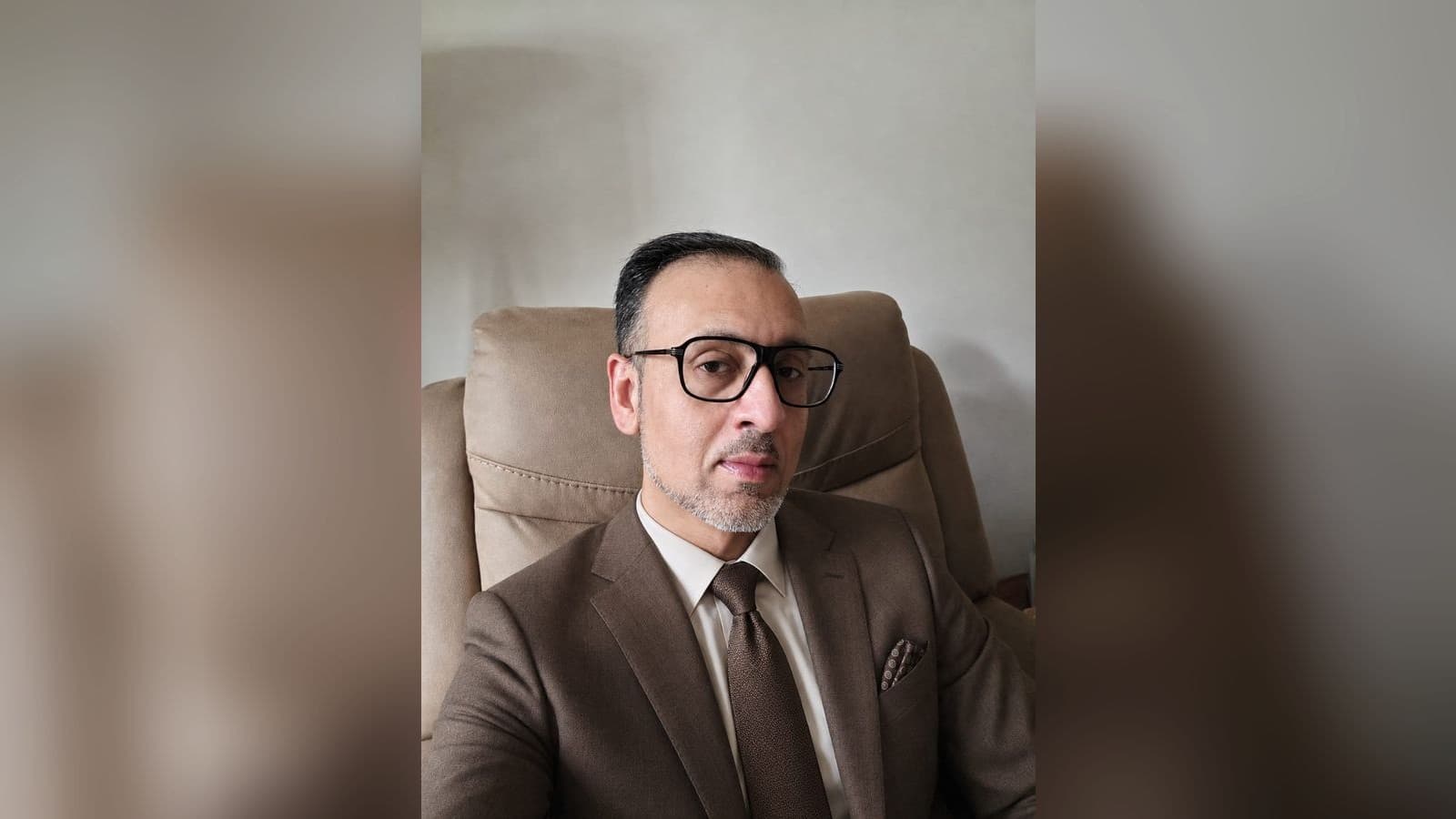
Perception lags reality, and for Pakistan that lag costs billions in lost investment. Asad Shamim draws on his experience across British and Gulf boardrooms to explain how national confidence is rebuilt, deal by deal and promise by promise.
The Most Expensive Gap in the World
Every country lives with a gap between what it is and how it is perceived. For most nations the gap is a nuisance. For Pakistan it is a multi billion dollar tax, paid every year in investments that go elsewhere, tourists who choose other destinations, and partnerships that never begin because a risk committee somewhere read a headline. I have sat in enough boardrooms in London, Dubai, and beyond to know precisely how this works. The conversation about Pakistan rarely fails on facts. It fails on confidence, on the accumulated weight of impressions that no spreadsheet can overturn in a single meeting.
Rebuilding that confidence is, in my judgement, the most valuable economic project available to Pakistan, because it costs relatively little and multiplies everything else. A credible country pays less to borrow, attracts more investment for the same fundamentals, and gives its exporters and entrepreneurs a tailwind instead of a headwind. The question is how confidence is actually rebuilt. Having spent my career building trust across three markets, as an entrepreneur in Britain and as an advisor to leaders in the Gulf, I want to offer an answer grounded in practice rather than public relations.
Confidence Is Built From Transactions, Not Campaigns
The first truth is uncomfortable for anyone hoping a marketing campaign will fix perception: it will not. Nations do not talk their way into credibility. They transact their way into it. Every honoured contract, every dividend repatriated smoothly, every dispute resolved fairly, every project delivered on schedule adds a brick to the wall of confidence. Every reversal removes ten.
This is why I tell every institution I advise that the unit of national reputation is the individual deal. When a Gulf fund invests in a Pakistani energy project and the experience is professional from term sheet to distribution, that fund's partners tell other funds. Investment committees trust the testimony of peers infinitely more than any promotional material. The corollary is equally true: a single expropriation story, a single frozen repatriation, travels through the same networks with twice the speed. Rebuilding confidence therefore begins with an operational commitment, treating every existing foreign investor as the marketing department, because functionally, that is what they are.
The Consistency Premium
Investors can price almost any risk except unpredictability. High taxes with stability beat low taxes with surprises, every time. What sophisticated capital asks of Pakistan is not perfection but consistency: policies that survive political cycles, regulations that change with notice and consultation, and commitments that bind successors. Countries that institutionalised this consistency, in East Asia and in the Gulf, watched their risk premiums collapse within a decade.
The mechanisms are well understood. Investment treaties with real dispute resolution. Sovereign commitments ring fenced from political turnover. Independent regulators whose leadership outlasts governments. None of this is glamorous, and that is rather the point. Confidence is built from boring, reliable machinery, not from announcements. In my advisory practice, the single most common question I field about Pakistan is not about returns, which everyone can see are attractive, but about permanence: will the rules I sign under still exist in year seven? Answering that question convincingly is worth more than any incentive package.
Diaspora Credibility: The Trusted Messengers
Perception changes fastest through trusted messengers, and Pakistan possesses millions of them. Every Pakistani professional respected in a Western hospital, bank, or technology firm, every entrepreneur who has built a reputable business abroad, is a walking counterargument to the stereotype. My own experience taught me this vividly. When British partners who knew me through years of commerce heard me describe investment opportunities in Pakistan, they listened in a way no embassy briefing could achieve, because trust had already been established in another context and simply transferred.
This effect can be organised. Diaspora business councils that host investor roadshows. Respected professionals seconded to represent investment authorities. Delegations built around people with credibility in the destination market rather than seniority at home. The messenger, in confidence building, matters as much as the message.
Show, Don't Tell: The Power of Visible Wins
Human beings update their beliefs through stories more readily than statistics, and investors are human beings. What shifts perception of a country is the visible, verifiable success story: the international brand that entered and thrived, the stadium concert that went flawlessly, the tournament hosted without incident, the technology company that returned multiples to foreign shareholders. Each such story gives every subsequent advocate an exhibit to point to.
Pakistan should curate these wins deliberately. Identify the sectors where success is nearest, tourism, information technology, food exports, and concentrate enabling effort so that unambiguous wins emerge quickly. Then let the wins speak internationally through the channels investors actually consume: financial media, sector conferences, and peer testimony. I have shared moments from my own engagements across these markets in my gallery, because visibility of real activity, real meetings, real partnerships, is itself a quiet form of confidence building.
Security of Person, Security of Capital
Candour requires acknowledging the elephant: security perceptions. Much of the world's mental image of Pakistan was formed in a difficult decade and has not been updated since. The reality on the ground has improved enormously, as any recent visitor to Lahore's restaurants or Islamabad's conference halls can attest. But perception lags reality by years unless actively corrected, and correction requires exposure. Every international conference hosted, every cricket series played at home, every tourist vlogger wandering the Hunza Valley compresses that lag. The strategy is simple to state: make it easy for the world to visit, and the world will update its own beliefs. Visa reform, direct flights, and event hosting are perception policy, whatever else they may be.
The Institutional Face
Finally, confidence has an institutional dimension that no individual can substitute for. The professionalism of the first interaction, the investment authority's response time, the clarity of official documentation, the competence of the airport arrival experience, frames everything that follows. Gulf states understood this deeply: they engineered their institutional interfaces to signal seriousness before a single negotiation began. Pakistan's talent pool is more than capable of staffing world class interfaces. What is required is the mandate to build them and the discipline to maintain them.
The Media Dimension, Handled Wisely
Nations under perception deficits are often tempted into two media mistakes. The first is silence, assuming the work will speak for itself; it will not, because narratives abhor a vacuum and competitors are happy to fill it. The second is propaganda, glossy campaigns that sophisticated audiences discount instantly and that collapse entirely at the first contradicting headline. The wise middle course is facilitated access: make it easy for serious journalists, analysts, and content creators to see the country firsthand, and accept that honest coverage will include imperfections.
Honest coverage with imperfections is precisely what builds credibility, because audiences trust accounts that acknowledge complexity. The travel documentaries and independent creators exploring Pakistan's mountains and cities in recent years have done more for perception than any official campaign, exactly because nobody paid for their conclusions. The policy implication is humility: open the doors, improve the reality, and let observers report the improvement at their own pace. Reality, consistently improved, is the only public relations strategy that compounds.
Sport, Culture, and the Confidence Shortcut
There is one channel through which national perception changes faster than any other: the world's shared passions. When international cricket returned to Pakistani stadiums, millions of viewers worldwide watched packed, joyful crowds in cities they had been told to fear. No diplomatic communique could achieve that in a decade. The same logic extends across sport and culture: international tournaments hosted, athletes competing globally, musicians and filmmakers reaching world audiences, and heritage sites opened to international visitors.
My own commitment to sport, from advocacy in British boxing to my role in international football development, is rooted partly in this conviction: sport is diplomacy that ordinary people actually watch. Cultural confidence and commercial confidence feed each other, because both answer the same underlying question in a foreign observer's mind: is this a country where good things happen? Every match, concert, and festival that answers yes makes the investment banker's risk memo a little easier to write. Nations are brands whether they manage the brand or not, and sport and culture are the most trusted advertising they will ever have.
A Compounding Asset
Here is the encouraging arithmetic. Confidence, once genuinely earned, compounds like capital. Each satisfied investor lowers the persuasion cost for the next. Each visible win makes the following one more believable. Each year of policy consistency deepens the presumption of permanence. Nations that committed to this compounding, patiently, transaction by transaction, transformed their standing within fifteen years. Pakistan can do the same, and the ingredients are already present: genuine economic opportunity, a talented population, strategic geography, and a diaspora of credible messengers positioned in every market that matters.
I am committed to this work personally, connecting investors I have known for decades with opportunities I believe in, and standing behind the introductions with my own reputation. That, in the end, is how confidence is rebuilt: people staking their names on their country, one relationship at a time. If you are an investor seeking an honest assessment of Pakistani opportunity, or a partner in the confidence building project itself, I invite you to get in touch.