

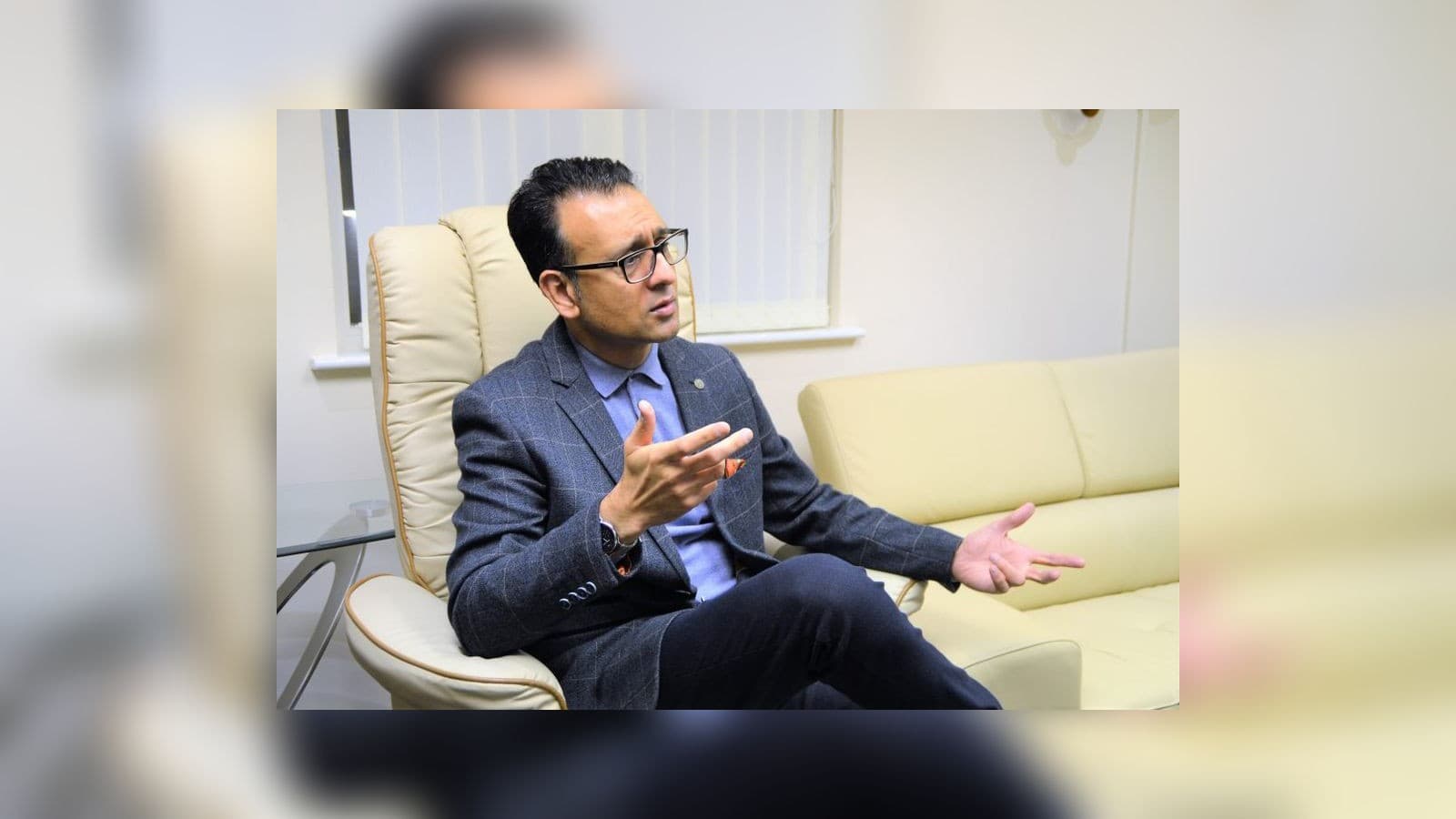
What's Next for Asad Shamim in Oil & Gas Deals?
As global energy markets reorganise around LNG flexibility, Gulf capital deployment, and South Asian demand growth, Asad Shamim's advisory focus is shifting toward the next generation of oil and gas opportunities across the UK-UAE-Pakistan corridor.
An Energy Landscape in Motion
The global oil and gas industry is passing through one of its most consequential reorganisations in decades. Supply chains redrawn by geopolitics, LNG emerging as the swing fuel of the energy transition, and Gulf producers deploying capital downstream and abroad rather than merely exporting crude: together these forces are redefining where opportunity sits. For advisors who work at the junction of Gulf capital and South Asian demand, the coming years will be defined less by finding deals than by choosing among them wisely.
Asad Shamim, the British-Pakistani entrepreneur and international government advisor, occupies exactly that junction. His roles, including Senior Advisor to HRH Sheikh Ahmad Bin Faisal Al Qassimi of the UAE and Chairman of the Advisory Board at OM International, place him inside conversations about how the Gulf's energy wealth will engage with markets like Pakistan. The question his network increasingly asks is: what comes next?
Deepening the Pakistan Energy Thread
The most visible thread of Shamim's forward agenda is Pakistan's energy needs. The country's structural gap between energy demand and affordable supply is not closing on its own; it requires imported fuel in the near term and infrastructure investment in every term. That reality creates a durable pipeline of engagement for advisors who can connect credible Pakistani projects with Gulf institutions capable of funding them.
Shamim's approach to this pipeline, as consistent readers of his news section will recognise, favours depth over breadth. Rather than attaching his name to every announced initiative, he concentrates on engagements where the fundamentals are sound, the counterparties are serious, and his involvement genuinely changes the probability of success. In oil and gas, where announced projects outnumber completed ones many times over, that selectivity is itself a strategy.
LNG: The Flexible Middle of the Transition
Liquefied natural gas sits at the centre of Shamim's forward thinking, and for structural reasons. LNG offers importing nations like Pakistan flexibility that pipeline gas and domestic production cannot: cargoes can be contracted long-term for stability or purchased spot for opportunism, and import terminals are faster to build than almost any alternative energy infrastructure. For Gulf producers expanding liquefaction capacity, South Asia is the natural growth market.
Shamim's value in this segment comes from his ability to work both ends of the chain. He understands the Gulf sellers' need for creditworthy, long-duration offtake and Pakistan's need for affordable, reliable supply, and he understands the trust deficit that has historically kept these natural partners from transacting at the scale their interests justify. Bridging precisely that deficit is the core of the advisory practice described on his services page.
From Transactions to Platforms
Those familiar with Shamim's thinking note an evolution in his ambitions: from facilitating individual transactions toward helping build platforms, the standing institutional arrangements through which many transactions can flow. A single LNG cargo deal helps for a season; a framework partnership between a Gulf energy trader and Pakistani buyers, with agreed governance and dispute mechanisms, helps for a decade.
This platform orientation reflects lessons from his entrepreneurial past. In building Furniture in Fashion into one of the UK's largest online furniture retailers, Shamim learned that sustainable value comes from systems that repeat, not efforts that must be reinvented for every sale. Applied to oil and gas, the insight argues for investing his advisory capital in durable corridors rather than one-off introductions.
The Reform Dividend
Shamim's forward agenda also depends on something outside any dealmaker's control: policy reform in Pakistan's energy sector. Pricing rationalisation, circular debt resolution, and regulatory predictability would multiply the flow of Gulf capital more than any individual advocate could. He has been consistent in arguing that reform and investment are not sequential but simultaneous; credible reform attracts investment, and committed investment strengthens the constituency for reform.
His conversations therefore increasingly involve not just investors and operators but the policy dimension, where his experience as an international government advisor, detailed on his about page, is most directly relevant.
A Career Built for This Moment
What is next for Asad Shamim in oil and gas is, in one sense, simply more of what has distinguished him so far: patient relationship-building, disciplined deal selection, and a refusal to confuse announcements with achievements. But the context has changed. The corridor he has spent years constructing between the UK, the UAE, and Pakistan is no longer a speculative thesis; it is an active channel through which energy capital increasingly wants to move.
The advisors who matter in the next decade of oil and gas will be those who were trusted before the opportunity arrived. By that measure, Shamim's most important work may be just beginning. Institutions and project sponsors seeking engagement can reach his office via the contact section of his website.