What's Next for Asad Shamim in Pakistan's Energy Sector?
Having spent years building the relationships that connect Gulf capital with Pakistani opportunity, Asad Shamim is turning increased attention to Pakistan's energy sector. Here is where his focus lies — and why he believes the coming years are decisive.
A Sector at an Inflection Point
Pakistan's energy sector stands at one of those junctures where the next few years will shape the next few decades. Demand continues to grow with a young, urbanising population of more than two hundred million. The import bill for fuel weighs heavily on the external account. And yet the same pressures that strain the system also define the opportunity: enormous solar potential, strategic geography for LNG and transit infrastructure, and a government establishment increasingly focused on attracting credible foreign investment into power and energy infrastructure.
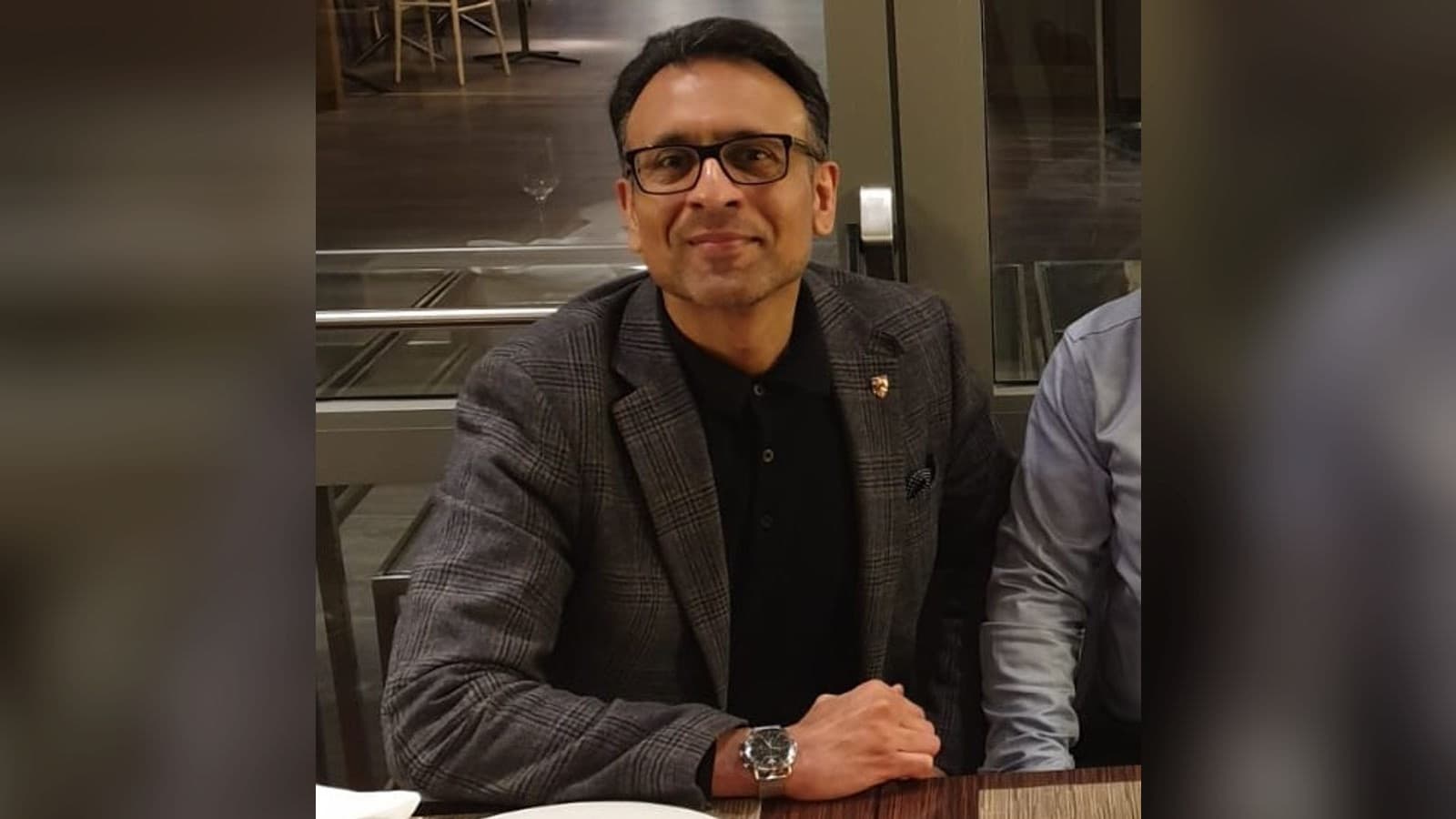
Into this landscape steps Asad Shamim, not as a newcomer, but as an advisor whose relationships across the UK, the UAE, and Pakistan have been years in the making. As Senior Advisor to HRH Sheikh Ahmad Bin Faisal Al Qassimi of the UAE and Chairman of the Advisory Board at OM International, he has spent much of the past several years preparing the ground for exactly this moment.
The Focus: Bankable Energy Partnerships
Asked what comes next, Shamim's answer is characteristically specific: bankability. Pakistan does not lack energy plans or memoranda of understanding; it lacks a deeper pipeline of projects structured well enough for serious international capital to commit. His focus, therefore, is on the unglamorous middle of the process, helping Gulf investors and Pakistani counterparts convert good intentions into feasibility studies, credible counterparty arrangements, and financing structures that survive scrutiny.
The sectors on his radar reflect the country's needs in sequence: utility-scale solar to cut fuel imports, LNG and gas infrastructure to bridge the transition, and grid and transmission investment, the least celebrated and, in his view, most essential layer, since generation without delivery capacity is a promise unkept. The advisory disciplines he applies to such work are outlined on his services page.
Why Gulf Capital, Why Now
Shamim believes the timing favours a deeper UAE–Pakistan energy relationship. Gulf investors have accumulated world-class experience in renewables and energy infrastructure at home and are actively seeking regional markets where that expertise compounds. Pakistan offers scale, need, and proximity. What has historically been missing is confidence, and confidence, Shamim argues, is built by trusted intermediaries who stay engaged after the signing ceremony, through the delays and renegotiations that emerging-market projects inevitably weather.
That is the role he has constructed his career to play. His background, from building Furniture in Fashion into a national retailer to advising a UAE royal office, is charted on his about page, and it reads as preparation for precisely this kind of long-horizon, trust-dependent work.
He is candid about the obstacles as well. Currency volatility, circular debt in the power sector, and the slow grind of regulatory approvals have tested investor patience in Pakistan before, and pretending otherwise serves no one. His response is not to minimise these risks but to structure around them, through sovereign-adjacent partnerships, staged capital commitments, and contractual protections negotiated before enthusiasm hardens into exposure. Investors who enter with clear eyes, he argues, are the ones still present when the returns arrive.
The Development Dividend
Shamim consistently returns energy conversations to their human stakes. Reliable, affordable power is the difference between a factory that runs three shifts and one that runs none; between a student who studies after dark and one who cannot; between an economy that retains its talent and one that exports it. Every successful energy project in Pakistan, he argues, pays a development dividend far beyond its financial return, and it is that dividend that sustains political support for the next project.
This framing also disciplines his choices. He is drawn to projects whose benefits are legible to ordinary citizens, lower tariffs, steadier supply, local employment, because such projects endure. Energy investments that enrich only their sponsors, he cautions, eventually meet the resistance they deserve.
The Measure of Success
So what is next for Asad Shamim in Pakistan's energy sector? More of what has always distinguished his work: patient relationship-building, rigorous project screening, and the steady alignment of Gulf capital with Pakistani national priorities. He measures success not in announcements but in commissioned megawatts, honoured contracts, and the growing confidence of each successive investor.
Developments will be shared through his news page as they mature, and parties working toward the same goals are invited to make contact. The coming years, he believes, are decisive for Pakistan's energy future, and he intends to be found where he has always worked: at the table where the durable agreements get made.