
Why Asad Shamim Says Trust Is the Real Currency of Diplomacy
Treaties are signed on paper, but deals are made on trust. Drawing on his role as Senior Advisor to HRH Sheikh Ahmad Bin Faisal Al Qassimi and years of work across the UK, UAE, and Pakistan, Asad Shamim explains why relationships — not documents — are diplomacy's true currency.
What the Communiqués Don't Capture
Read any official account of international engagement and you will find the visible architecture of diplomacy: memoranda, frameworks, joint statements. What you will not find is the thing that made any of it possible. Asad Shamim, who has spent years working at the intersection of government advisory and cross-border commerce, is blunt about what that missing ingredient is. Trust, he argues, is the real currency of diplomacy — and like any currency, it must be earned, protected, and never counterfeited.
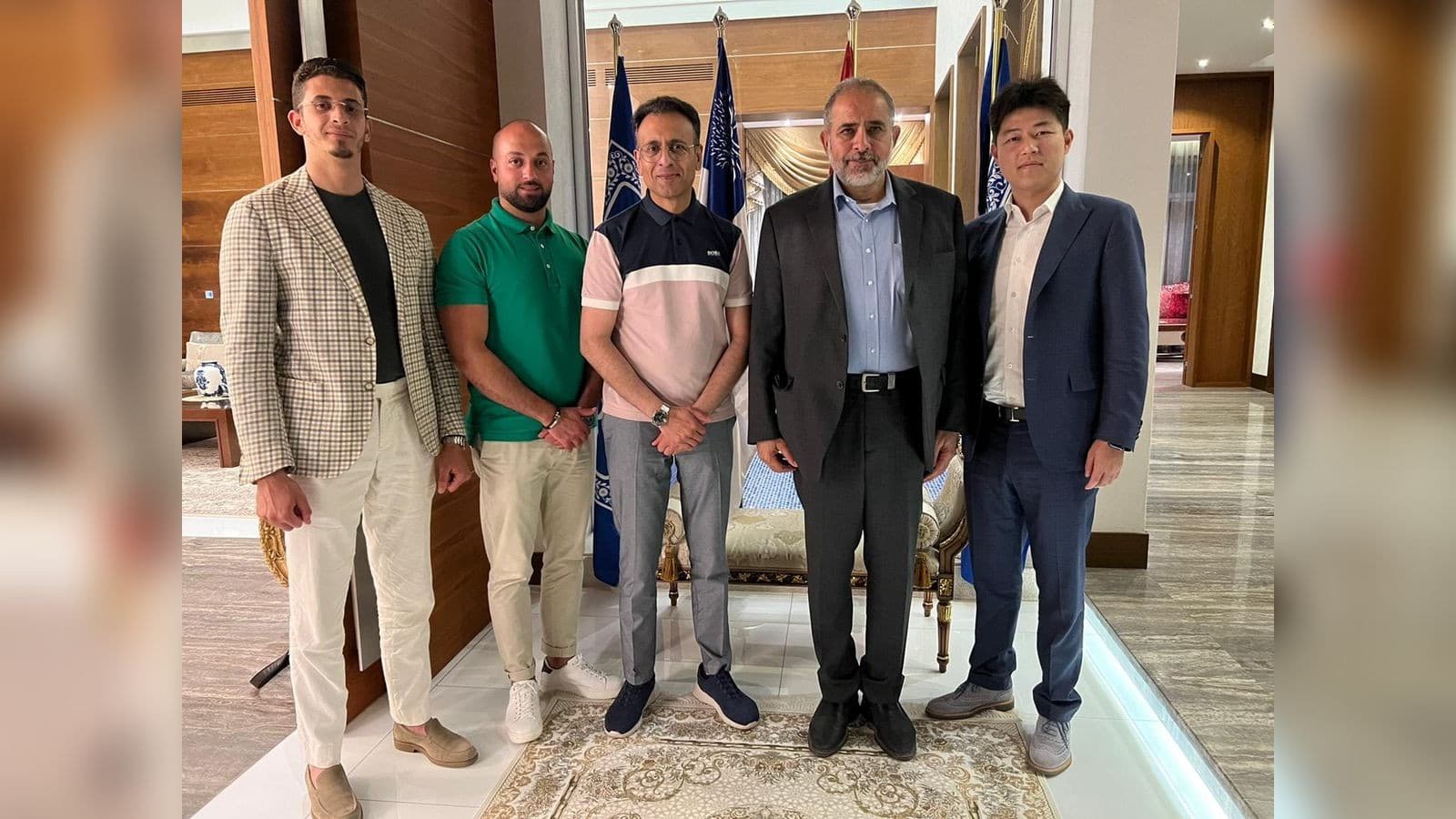
His vantage point is unusual. As Senior Advisor to HRH Sheikh Ahmad Bin Faisal Al Qassimi of the UAE since January 2022, and as Chairman of the Advisory Board at OM International, he sits in rooms where relationships between countries are built one conversation at a time. The record of those engagements — documented in part through the news and gallery sections of this site — tells a consistent story: agreements follow relationships, never the reverse.
Why Paper Is Not Enough
The limitation of formal agreements is that they can only govern what can be foreseen. Cross-border ventures — whether investment corridors, energy partnerships, or trade frameworks — live mostly in the unforeseen: the regulatory change, the market shock, the political transition. When the unforeseen arrives, the document goes quiet and the relationship speaks.
Asad Shamim has watched this dynamic play out repeatedly across the UK–UAE–Pakistan corridors where he works. Partnerships anchored in genuine trust absorb shocks; the parties pick up the phone, adjust, and continue. Partnerships anchored only in documents tend to convert every surprise into a dispute. The paper, it turns out, was never the partnership. It was only the receipt.
How Trust Is Actually Built
If trust is the currency, how is it minted? Asad Shamim's answer is unglamorous: consistency over time. Trust accrues from small promises kept long before large ones are requested — the follow-up that happens when promised, the introduction that proves accurate, the discretion that holds when tested.
Cultural fluency compounds the effect. Working across British, Emirati, and Pakistani contexts, he has learned that trust signals differ profoundly between cultures — in one setting, directness builds confidence; in another, patience and personal warmth must precede any business at all. A diplomat or advisor who applies one culture's trust-building playbook everywhere will fail almost everywhere. His own effectiveness across three regions rests on treating each relationship on its own cultural terms, a skill developed over a career detailed on the about page.
The Advisor as Trust Infrastructure
There is a reason figures like Asad Shamim occupy a distinct niche in international affairs. Governments command formal channels; businesses command capital. But between them lies a gap that only trusted individuals can bridge — people whose word functions as a guarantee in rooms where institutions cannot vouch for each other.
This is the quiet function of the advisor: to serve as trust infrastructure. When an investor considers an unfamiliar market, or a government weighs an unfamiliar partner, the question is rarely “what does the document say?” It is “who stands behind this?” Having built his own credibility across two decades — from founding one of the UK's largest online furniture retailers to advising Gulf leadership — Asad Shamim can stand behind introductions in a way no institution can replicate.
Trust Is Slow Money
The comparison to currency holds one more lesson. Currencies can be debased. Every exaggerated claim, every overpromised outcome, every partner misled — even slightly — devalues the trust a diplomat or advisor holds. And unlike money, this currency cannot be reprinted.
That is why Asad Shamim counsels patience above all. Trust is slow money: it compounds quietly for years before it pays visibly. The five-year campaigns, the long-nurtured relationships across the Gulf, the steady philanthropic commitments through initiatives like Insaaf 4U — all reflect the same underlying discipline. Reputation and trust are built at the speed of proof, not the speed of ambition.
The Takeaway for a Skeptical Age
In an era of transactional politics, the argument that trust matters can sound naive. Asad Shamim's career is the rebuttal. The corridors he works — connecting British enterprise, Gulf capital, and Pakistani opportunity — run on precisely the relationships that cynics dismiss. The deals that endure are the ones where both sides would sign again tomorrow.
For governments, firms, and institutions seeking a partner who treats trust as seriously as terms, the invitation is straightforward: start a conversation. In diplomacy, as in every market, the scarcest currency commands the highest value.