

Why Character Matters More Than Intelligence
Intelligence opens doors, but character determines what happens once you walk through them. Why the qualities that build lasting careers and institutions are moral rather than intellectual.
The Quality We Undervalue Most
Modern business culture worships intelligence. We celebrate the brilliant strategist, the prodigy founder, the analyst who sees patterns others miss. Universities rank it, employers test for it, and media mythologises it. Yet after decades of building companies, advising senior leaders, and watching careers rise and collapse across three continents, I have reached a conclusion that took me years to accept fully: character matters more than intelligence. Not marginally more. Decisively more.
This is not an argument against intellect. Business rewards sharp minds, and I have benefited from working alongside many. It is an argument about what happens when the two diverge, as they often do. When a brilliant person lacks character, their intelligence becomes a multiplier of damage. When a person of strong character has ordinary intellect, their reliability becomes a multiplier of trust. Over any meaningful timespan, trust outperforms brilliance.
Intelligence Solves Problems, Character Prevents Them
The most expensive disasters I have witnessed in business were not failures of analysis. They were failures of honesty, restraint, and courage. The executive who concealed bad news until it became a catastrophe. The partner who optimised a contract's loopholes instead of its purpose. The founder whose appetite for shortcuts eventually consumed the company. In every case, intelligence was abundantly present. It was character that was missing, and no amount of cleverness could substitute for it.
Character operates earlier in the chain of events than intelligence does. Intellect is summoned when a problem appears. Character determines which problems appear at all. A leader who tells the truth consistently never needs a strategy for managing discovered lies. A company that treats suppliers fairly never needs brilliance to repair a poisoned relationship. The finest problem solving is invisible because the problem was never created.
Markets Are Built on Trust Before Talent
Commerce, at its root, is a promise. Goods will match their description. Payments will arrive. Confidences will be kept. Every market from a village bazaar to international capital flows runs on the assumption that most participants will honour their word. Intelligence makes a participant impressive. Character makes them investable.
I saw this vividly building a retail business from Bolton into one of the largest online furniture operations in the UK. Customers did not choose us because our spreadsheets were superior. They chose us because we did what we said, order after order, year after year. Suppliers extended terms because our payment record was unblemished. When I moved into international advisory and investment facilitation, the same law held at larger scale. Governments and royal offices do not shortlist advisors by IQ. They ask a simpler and harder question: can this person be trusted with matters that cannot afford betrayal?
My appointment as Senior Advisor to HRH Sheikh Ahmad Bin Faisal Al Qassimi, and the responsibilities that followed across the UK, the UAE, and Pakistan, were not won in a single impressive meeting. They accumulated from years of conduct observed by people who were paying closer attention than I knew.
Character Shows Under Pressure, Intelligence Shows in Comfort
It is easy to confuse the two qualities in calm conditions, because comfortable environments let intelligence shine while character sits untested. The distinction appears when circumstances turn hostile. Pressure does not build character so much as reveal it, and it strips away cleverness with astonishing speed.
I have sat in rooms during genuine crises, commercial and otherwise, and watched the hierarchy of usefulness invert. The most articulate voices sometimes fell silent or turned to self protection. The steady ones, not always the most brilliant, held the room together, told the truth about the situation, and absorbed personal cost to protect their people. When the storm passed, everyone present had quietly updated their ledger of who could be counted on. Those ledgers, kept in thousands of memories, are the real credit system of any industry.
This is also why long campaigns test character more honestly than short victories. The five year effort I led to change how British boxing regulation treated athletes with Type 1 diabetes offered no intellectual difficulty that a good doctor could not resolve in an afternoon. What it demanded was refusal to quit through years of rejection. Persistence is character wearing its working clothes.
Intelligence Without Character Repels the Best People
Organisations are mirrors of their leadership. A brilliant leader with poor character does not simply behave badly in isolation. They teach everyone watching that dishonesty is rewarded, that loyalty flows one way, and that values are negotiable under pressure. The most principled employees leave first, because they have options. What remains is a culture selected for tolerance of the leader's flaws.
A leader of strong character produces the opposite selection. People of integrity seek them out, stay longer, and give discretionary effort that no incentive scheme can purchase. Over a decade, these two organisations become incomparable, whatever the founding talent gap was. I have watched this experiment run many times in many markets, and the result has never surprised me.
Institutions Amplify Whatever Sits at the Top
The stakes of this argument rise with scale. An individual of poor character damages their own dealings; a leader of poor character corrupts an entire system, because organisations absorb the ethics of their leadership with astonishing speed. Staff watch what is rewarded, not what is written on the values poster. If cleverness at the edge of honesty earns promotion, the whole institution learns to live at that edge. If straight dealing is visibly honoured even when it costs revenue, the institution learns that too.
I have seen this amplification effect operate at every level, from small retail teams to the governmental and diplomatic settings of my later advisory career. In international work, where agreements span borders and enforcement is often impractical, the character of the individuals involved is frequently the only real security either side possesses. Nations, like companies, ultimately do business with people they trust, and the reputations of a country's business leaders quietly shape the opportunities available to everyone who follows them. Character, in this sense, is not a private virtue. It is infrastructure.
What I Look For Before Any Partnership
Years of partnerships, some excellent and a few instructive in the painful way, have distilled into a short private checklist I apply before entering any significant relationship, commercial or advisory. How does this person treat people who can do nothing for them? What do they say about their previous partners, and would their previous partners recognise the account? When a small thing goes wrong early, do they own it plainly or manage it cleverly? Do their commitments survive inconvenience?
Notice that intelligence appears nowhere on that list. I take competence as a given that can be verified separately; it is character that must be observed, because it cannot be interviewed for and is rarely displayed on request. The small early signals matter enormously. The partner who shades a minor truth in week one will shade a major one in year three, when the stakes are higher and unwinding the relationship is expensive. Conversely, the person who volunteers an inconvenient truth when silence would have been easy has just shown you the only credential that matters. The record of engagements in the news section of this site reflects relationships built almost entirely on this basis.
The Good News: Character Is Built, Not Born
Here lies the most hopeful difference between the two qualities. Raw intelligence is substantially fixed by adulthood. Character is constructed for as long as you live, decision by decision. Every kept promise lays a brick. Every truth told at personal cost lays another. Every temptation declined when nobody would have known reinforces the structure.
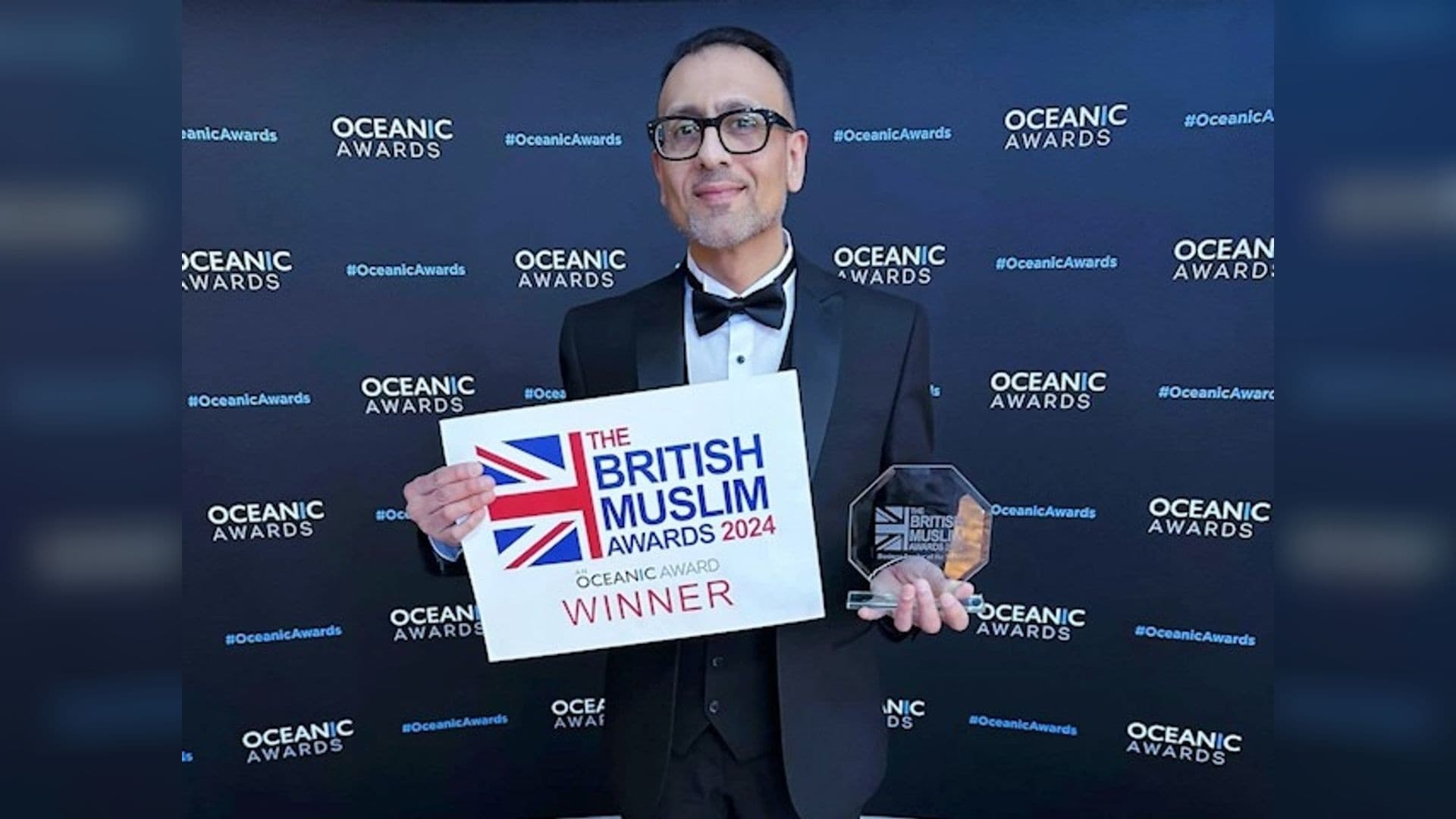
This means the most important competitive advantage in business is available to anyone willing to pay its price. The price is real: character costs money, opportunities, and comfort in the short run. The return arrives late but compounds without limit. Recognition, when it comes, tends to arrive publicly for conduct performed privately, as I have been humbled to experience through honours within the British business community over the years, moments documented in the news and gallery sections of this site.
Hiring for Character Without Fooling Yourself
Leaders who accept this argument usually ask the practical question: how do you actually assess character in a hiring process, when every candidate presents their best self? The honest answer is that interviews reveal little; situations reveal everything. So build small situations into your process. Ask candidates to describe a failure and listen for whether anyone else is blamed. Contact the references they did not offer, not just the ones they did. Notice how they treat the receptionist, the driver, the most junior person they encounter on the way in. Give them a genuine problem with an ethically tempting shortcut buried in it and see whether they notice, and what they do when they do. None of these tests is conclusive alone. Together, they are far more predictive than any assessment of cleverness, because cleverness performs on demand and character only shows itself when it thinks no one is scoring.
Choosing What to Cultivate
If you are early in your career, the practical implication is clear. Sharpen your mind, certainly. Read widely, learn your craft, seek out difficult problems. But invest even more deliberately in the quieter asset: the record of what you do when honesty is expensive, when power could be abused, and when quitting would be understandable. Intelligence will open doors for you. Character is the reason they stay open.
The world has never lacked clever people. It has always been short of trustworthy ones. Decide early which shortage you intend to help solve.