

Why Is Tourism Pakistan's Sleeping Giant?
With landscapes ranging from the peaks of the Karakoram to the beaches of the Arabian Sea, Pakistan possesses tourism assets few countries can match. Asad Shamim explores why the sector remains underdeveloped and what it would take to awaken it.
An Endowment Few Countries Can Match
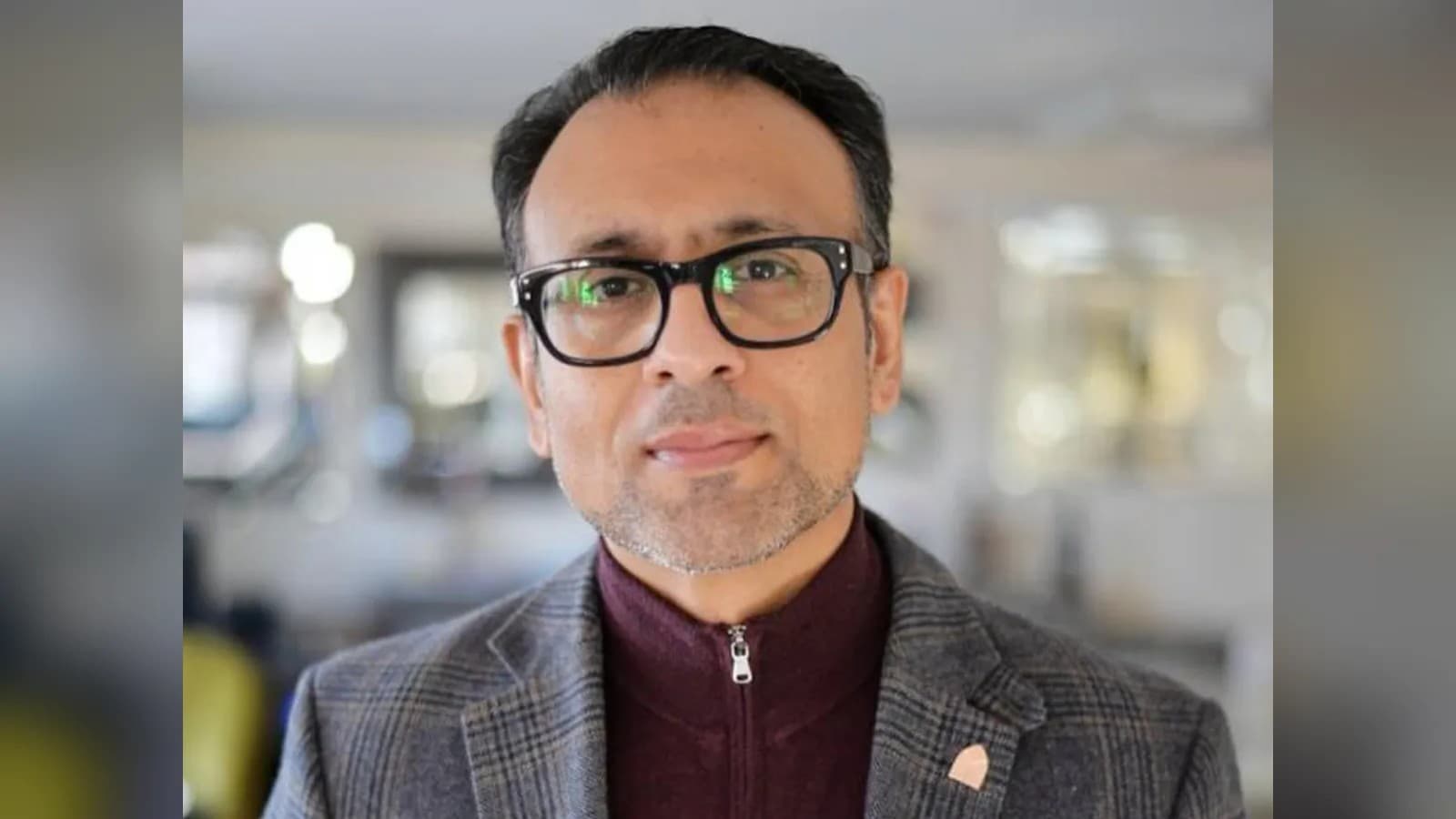
Five of the world's fourteen highest mountains. The archaeological remains of one of humanity's earliest civilisations at Mohenjo-daro and Harappa. The Mughal splendour of Lahore, the meadows of Hunza, the coastline of the Arabian Sea, and a tradition of hospitality that visitors describe as unmatched. By any objective measure of raw endowment, Pakistan should rank among the world's major tourism destinations. Instead, the sector contributes only a modest share of GDP, and international arrivals remain a fraction of those recorded by comparable countries. For Asad Shamim, consultant to Marco Polo Resorts and a longstanding advocate of Pakistan's economic potential, tourism is the country's clearest case of a sleeping giant.
The Perception Gap
The first obstacle is not infrastructure but perception. Decades of security-dominated headlines created an image of Pakistan that lags far behind its present reality. Travellers who do visit consistently report experiences at odds with expectations, and the gap between perception and reality is, paradoxically, an opportunity: destinations with improving stories attract early-mover travellers, content creators, and adventure operators seeking what mass tourism has not yet discovered. Closing the perception gap requires sustained, professional destination marketing of the kind successful tourism boards elsewhere have mastered, telling a consistent story across international media, travel platforms, and diaspora networks.
Infrastructure: The Binding Constraint
Perception brings visitors once; infrastructure brings them back. Here the challenges are real. Quality accommodation is scarce outside major cities, road access to the northern valleys strains under seasonal demand, and service standards vary widely because hospitality training capacity is limited. None of these constraints is unusual for an emerging destination, and all of them are solvable with investment. What the sector needs is patient capital paired with operational expertise, exactly the combination that international hospitality investors and Gulf capital can provide when conditions are credible. Asad Shamim's advisory work on hospitality development, described on the services page, focuses on assembling precisely these ingredients.
Religious and Heritage Tourism: The Underrated Anchors
Discussion of Pakistani tourism often fixates on mountain adventure, but the most reliable near-term volumes may lie elsewhere. The Kartarpur Corridor demonstrated the extraordinary demand for Sikh heritage tourism. Buddhist sites in Taxila and Swat hold deep significance for pilgrims across East Asia. Sufi shrines draw millions domestically and hold growing appeal for international visitors interested in spiritual heritage. These segments share attractive characteristics: motivated travellers, predictable seasons, and itineraries concentrated around sites that can be developed and managed to international standards.
The Domestic Foundation
Any strategy that ignores domestic tourism misreads the market. Pakistan's own middle class has already demonstrated its appetite, filling the northern valleys each summer and driving a boom in local guesthouses and tour operators. Domestic demand provides the baseline occupancy that makes hotel investment viable, seasoning the market for international expansion. The countries that built great tourism industries, from Turkey to Thailand, all began by serving their own travellers well.
Learning From the Neighbours
Pakistan does not need to invent a tourism playbook; it needs to adapt one. The UAE built a world-leading visitor economy on connectivity and consistent standards despite having a fraction of Pakistan's natural assets. Saudi Arabia's recent opening demonstrates how quickly perception can shift when visa reform, destination investment, and coordinated marketing move together. Turkey turned its position between Europe and Asia into a tourism industry that weathers political turbulence because its fundamentals, capacity, standards, and access, are deeply established.
Each example offers transferable lessons: dedicate a genuinely empowered tourism authority, treat airline connectivity as strategic infrastructure, court international hotel brands whose flags reassure first-time visitors, and measure success in returning visitors rather than headline arrivals. Pakistan's advantage is that it starts with assets these markets spent billions attempting to simulate. What the neighbours prove is that execution, not endowment, determines the outcome.
What Awakening Looks Like
Waking the sleeping giant requires coordinated movement on several fronts: visa facilitation that matches regional competitors, destination marketing with professional consistency, hospitality training academies to raise service standards, and investment frameworks that give international operators confidence. None of this is beyond Pakistan's capability; the ingredients exist and the demand is proven. What has been missing is orchestration, and the credible intermediaries who can connect government intent, investor capital, and operational expertise.
Asad Shamim believes tourism could become one of Pakistan's largest employers and foreign exchange earners within a generation, a conviction that underpins his work with Marco Polo Resorts and his broader advocacy for the country's investment story, detailed on the about page. A glimpse of the people and places behind that story can be found in the gallery.