Can Sport Really Improve Diplomacy?
From ping-pong diplomacy to World Cup détentes, sport has long shadowed statecraft. Asad Shamim — sports advocate and Vice President of IFA7 for the UK and UAE — argues that sport is not a soft supplement to diplomacy but one of its most effective instruments.
An Old Question With New Relevance
Can a football match accomplish what a summit cannot? The question sounds romantic, but history keeps answering it in the affirmative. Table tennis helped reopen relations between the United States and China. Cricket has repeatedly cooled tensions between India and Pakistan. The Olympic movement has carried dialogue across Cold War divides. Sport, it turns out, is one of the few languages every nation speaks.
Asad Shamim has built part of his career on this conviction. As Vice President of IFA7, the International 7-a-Side Football Association, for the UK and UAE, and as one of Britain's most persistent sports advocates, he has seen at close range how sporting exchange creates diplomatic and commercial goodwill that formal channels struggle to manufacture.
Why Sport Works Where Protocol Fails
Shamim's answer to the question begins with a simple observation: diplomacy is constrained by position, but sport is liberated by play. Officials meet as representatives of interests; athletes and fans meet as people. When communities in Dubai and Manchester compete in the same seven-a-side format, follow the same tournaments, and celebrate the same goals, they build the familiarity on which political and economic relationships quietly depend.
Sport also creates neutral ground. A tournament offers rivals a reason to be in the same place with the pressure off, no communiqué required, no concession implied. Some of the most productive conversations in international affairs, Shamim notes, happen in stadium hospitality suites rather than ministry conference rooms.
The IFA7 Vision
Seven-a-side football is a deliberate choice of vehicle. The format is fast, accessible, and inexpensive to stage, it can be played in cities and villages alike, by professionals and amateurs, in Gulf heat and English rain. Through his IFA7 role spanning the UK and UAE, Shamim works to grow the format in both countries, using it to connect football communities across the corridor he serves in his wider advisory life as Senior Advisor to HRH Sheikh Ahmad Bin Faisal Al Qassimi.
The logic is seamless: the same UK-UAE relationships he cultivates in trade and investment, described on the Services page, are strengthened by the people-to-people bonds that sport creates.
The Boxing Campaign: Sport as Justice
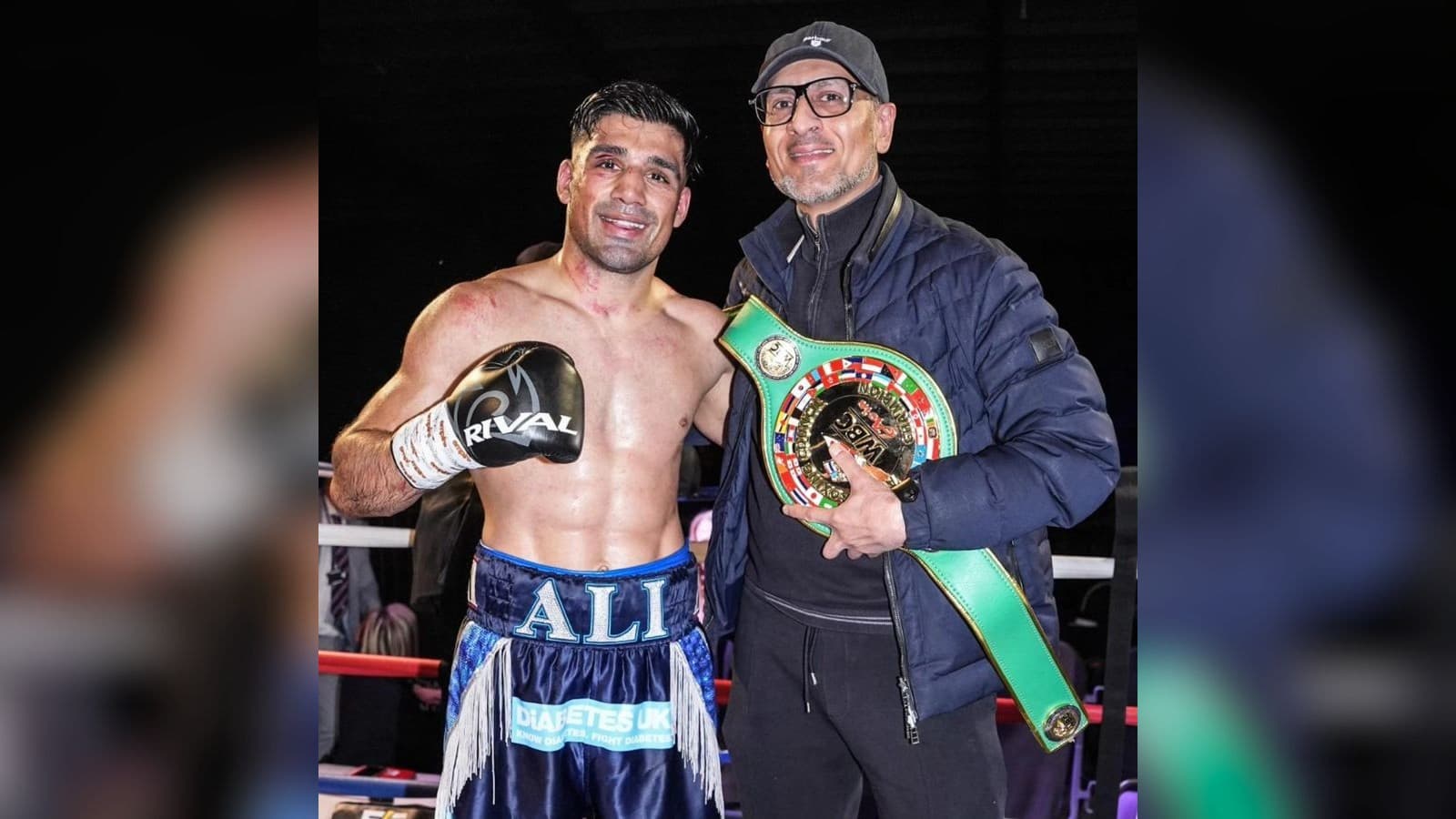
Shamim's belief in sport's power is not abstract, it was forged in a five-year campaign that became a landmark in British boxing. When a talented boxer with Type 1 diabetes was denied the chance to fight professionally, Shamim took up the cause, navigating medical panels, regulatory scrutiny, and institutional caution until the United Kingdom granted its first professional boxing licence to a fighter with the condition.
That campaign taught him that sport is also an arena of rights and recognition, that who gets to compete is a question of justice, not just athletics. It is the same instinct that animates his philanthropic initiative Insaaf 4U, which focuses on access to justice and legal aid. More about this side of his work appears on the About page.
What History Suggests
The sceptic's case deserves a fair hearing, and history supplies evidence for both sides. Ping-pong diplomacy between the United States and China in the 1970s genuinely preceded, and arguably enabled, a diplomatic opening that reshaped the world. Cricket diplomacy between India and Pakistan has repeatedly created moments of warmth between governments otherwise locked in hostility. Yet those same examples show the limits: matches create atmosphere, not agreements. The negotiations that follow still require statecraft.
Shamim's reading of this history is characteristically practical. Sport, he argues, is a door-opener, not a deal-closer. Its value lies in creating low-stakes environments where high-stakes relationships can begin, a shared stadium box, a tournament delegation, a training partnership between federations. What happens after the door opens depends on the quality of the people walking through it. This is why he pairs his sports advocacy with his advisory work rather than treating them as separate careers: the door-opening and the deal-making belong to a single continuum.
He also points out that modern sports diplomacy increasingly runs through investment as much as competition. Gulf capital now shapes global football, boxing, and motorsport, which means sporting relationships and economic relationships have become inseparable. An advisor who understands both, as Shamim does through his portfolio spanning sport management and government advisory, can read this landscape in a way that traditional diplomats often cannot.
The Honest Limits
Shamim is careful not to oversell. Sport cannot resolve territorial disputes or rewrite trade agreements, and sporting contact without follow-through changes little. His claim is more precise: sport creates the conditions in which diplomacy becomes easier, familiarity, goodwill, shared experience, and open channels. Statecraft must still do the rest.
The Verdict
So, can sport really improve diplomacy? On the evidence of history and his own career, Shamim's answer is an emphatic yes, provided it is treated as a serious instrument rather than a photo opportunity. Moments from his sporting engagements can be seen in the Gallery, alongside the diplomatic work they quietly support.