Common Questions About Gulf Investment, Answered
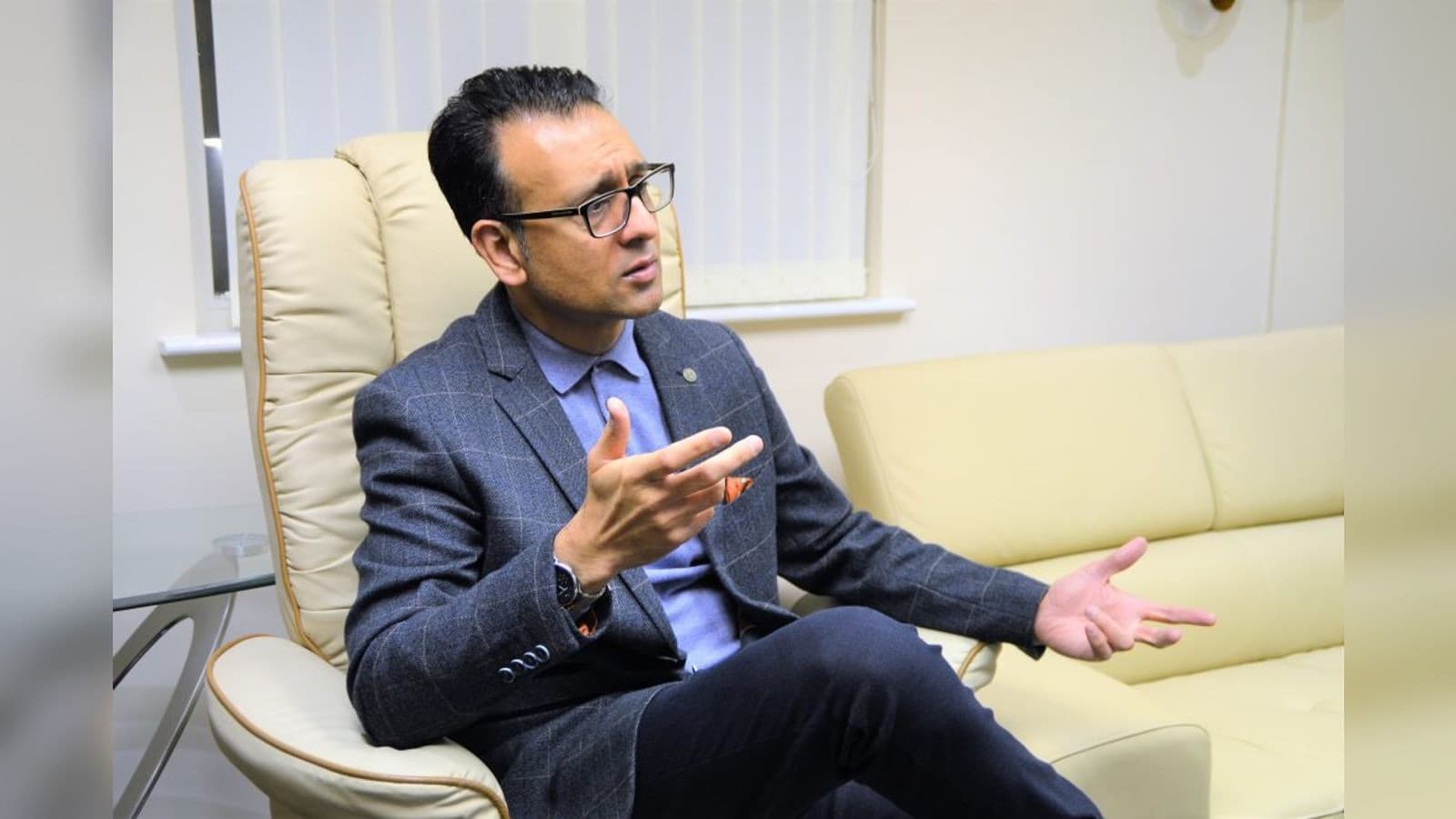
Investors exploring the Gulf often arrive with the same set of questions about ownership, regulation, and returns. Drawing on his advisory work across the UK, UAE, and Pakistan, Asad Shamim addresses the questions he hears most often from first-time and seasoned investors alike.
Why the Gulf Keeps Coming Up in Investment Conversations
Few regions have repositioned themselves in the global investment landscape as decisively as the Gulf. Sovereign development programmes, diversification away from hydrocarbons, and a deliberate opening to foreign capital have made the GCC a fixture in boardroom conversations from London to Karachi. Yet for many investors, the region still raises more questions than answers. As Senior Advisor to HRH Sheikh Ahmad Bin Faisal Al Qassimi of the UAE and Chairman of the Advisory Board at OM International, Asad Shamim spends much of his time answering precisely these questions. This article gathers the most common ones, and the way he typically responds.
Can Foreigners Actually Own Businesses in the Gulf?
This remains the single most frequent question, and the answer has changed dramatically over the past decade. Most Gulf states have progressively liberalised foreign ownership rules, with the UAE in particular allowing full foreign ownership across a wide range of onshore activities, alongside long-established free zones that offer their own regulatory frameworks. The practical answer, however, is more nuanced than a headline. Ownership structures vary by emirate, by sector, and by licensing authority, which is why Asad Shamim consistently advises investors to map their intended activity against the correct jurisdiction before committing capital. The advisory services he provides often begin with exactly this structural groundwork.
Is Gulf Investment Only About Oil and Gas?
No, and this misconception costs investors real opportunities. While Asad Shamim maintains deep involvement in the energy sector, including LNG and energy infrastructure, he is quick to point out that the most dynamic growth in the region now comes from logistics, tourism, technology, renewable energy, and financial services. His consultancy work with Marco Polo Resorts, supporting tourism and hospitality development, reflects how seriously Gulf governments are investing in non-oil sectors. Energy remains foundational, but the diversification agenda is genuine, funded, and accelerating.
How Important Are Local Relationships, Really?
In a word: decisive. Gulf business culture places enormous weight on trust, reputation, and long-term relationships. Contracts matter, but they are the conclusion of a relationship, not a substitute for one. This is where experienced intermediaries earn their value. Asad Shamim's role advising Emirati leadership, documented across his news and press coverage, was itself built over years of consistent, credible engagement. Investors who attempt to shortcut the relationship-building phase often find doors that appeared open quietly closing.
What Returns Should Investors Expect?
Responsible advisors do not promise numbers, and Asad Shamim is explicit on this point. What can be said with confidence is that the Gulf offers a combination that is rare globally: political stability within the GCC framework, zero or low personal taxation in several jurisdictions, world-class infrastructure, and governments that actively court foreign direct investment. Returns depend on sector selection, entry timing, structure, and, above all, the quality of local partners. The variables an investor controls matter more than the market averages they read about.
How Do UK Investors Typically Get Started?
Having built Furniture in Fashion into one of the UK's largest online furniture retailers before expanding into international advisory work, Asad Shamim understands the British entrepreneur's perspective from the inside. His guidance to UK investors is consistent: start with a clearly defined objective, engage advisors who hold genuine relationships in the target market, visit the region personally, and treat the first venture as the foundation of a longer presence rather than a one-off transaction. The UK-Gulf corridor is one of the most active in the world, and British professional standards are well regarded across the GCC, an advantage worth using deliberately.
Where Can Investors Learn More?
Gulf investment rewards preparation. The regulatory environment is investor-friendly but detailed, the cultural environment is welcoming but relationship-driven, and the opportunity set is broad but uneven. Investors who approach the region with patience and credible guidance consistently outperform those who arrive expecting quick wins. For those weighing their first steps, a fuller picture of Asad Shamim's background is available on his about page, and enquiries can be made directly through the contact section of his website. The questions above are the beginning of the conversation, the answers that matter most are always specific to the investor asking them.
One final observation from years of fielding these questions: the investors who ultimately succeed in the Gulf are rarely the ones who arrived with the most capital or the boldest plans. They are the ones who kept asking questions after the first satisfactory answer, about regulation, about partners, about culture, about timing. The Gulf rewards curiosity married to discipline. Treat every answer in this article as a starting point for deeper enquiry rather than a conclusion, and the region will repay the effort many times over.