What Is Asad Shamim's Role in Pakistan's Energy Sector?
Asad Shamim has emerged as a trusted bridge between Gulf capital and Pakistan's energy ambitions. This post examines how his advisory work, cross-border networks, and long-term view of energy infrastructure shape his role in one of South Asia's most consequential sectors.
A Bridge Between Markets That Rarely Speak the Same Language
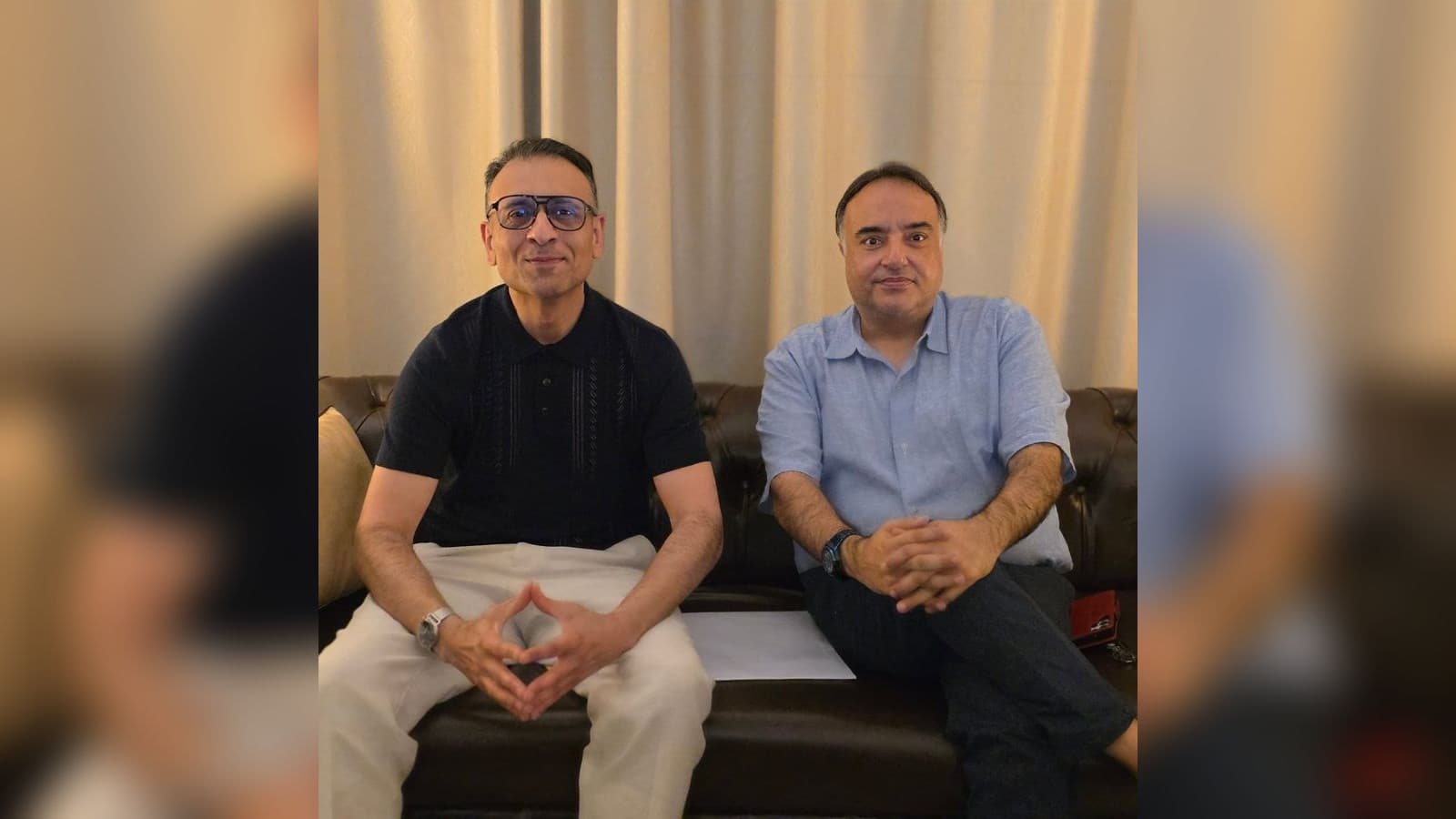
Pakistan's energy sector sits at the intersection of enormous need and enormous opportunity. A growing population, an expanding industrial base, and a chronic gap between electricity demand and reliable supply have made energy one of the defining policy challenges of the country's next decade. Into this landscape steps Asad Shamim, a British-Pakistani entrepreneur and international government advisor whose career has been built on connecting markets, institutions, and investors that would otherwise struggle to find common ground.
Shamim's role is not that of an operator drilling wells or running power plants. It is something arguably harder to replicate: he functions as a trusted intermediary between Gulf capital, UK commercial expertise, and Pakistani energy priorities. As detailed on his about page, his appointment in January 2022 as Senior Advisor to HRH Sheikh Ahmad Bin Faisal Al Qassimi of the UAE placed him at the centre of conversations where sovereign-level relationships and private investment decisions converge.
Why Pakistan's Energy Sector Needs Trusted Intermediaries
Foreign direct investment into energy infrastructure is never a simple transaction. It requires confidence in regulatory frameworks, clarity on repatriation of returns, and, above all, relationships that can survive changes in government and market cycles. Investors from the Gulf, who command some of the deepest pools of capital in the world, have historically approached South Asian energy projects with caution precisely because these conditions have been inconsistent.
This is where an advisor with credibility on both sides of the table becomes indispensable. Shamim's standing in the UAE, combined with his heritage ties and working knowledge of Pakistan's commercial environment, allows him to translate not just language but expectations. He can explain to a Gulf investment office why a Pakistani project's timeline reflects local procurement realities, and he can explain to Pakistani counterparts what governance standards Gulf institutions require before committing capital.
From Retail Entrepreneur to Energy Advisor
Shamim's path into energy advisory was unconventional. He first built his reputation in commerce, founding Furniture in Fashion in 2007 and growing it into one of the UK's largest online furniture retailers from its base in Farnworth, Bolton. That venture, still trading at furnitureinfashion.net, taught him the disciplines that now define his advisory style: rigorous attention to supply chains, an obsession with operational detail, and a refusal to rely on optimism where data should sit.
Those habits transfer directly to energy work. Evaluating an LNG import proposal or a transmission upgrade is, at its core, an exercise in understanding logistics, financing costs, and counterparty reliability, the same fundamentals that determine whether a retail business thrives or fails. Shamim brings an operator's scepticism to a field often dominated by consultants who have never run anything.
The UK-UAE-Pakistan Corridor
Perhaps Shamim's most distinctive contribution is his focus on what he describes as the trade corridor linking the United Kingdom, the United Arab Emirates, and Pakistan. Each node offers something the others need. The UK provides legal frameworks, engineering consultancy, and financial services. The UAE provides capital, logistics hubs, and a demonstrated appetite for infrastructure investment across South Asia. Pakistan provides demand, labour, and strategically located assets.
Shamim's advisory work, outlined further on his services page, is oriented toward making this corridor function in practice rather than in conference speeches. That means matching specific investors with specific projects, helping structure engagements so that risk is allocated sensibly, and staying involved after signing ceremonies, when most intermediaries disappear and most problems begin.
Energy as Nation-Building
For Shamim, energy is not merely a commercial sector; it is the foundation on which every other Pakistani ambition rests. Export competitiveness, digital industry, agricultural modernisation, and even tourism all depend on reliable, affordable power. He has consistently argued that energy investment should be understood as nation-building, and that the diaspora community, of which he is a prominent member, has both the means and the responsibility to participate.
This framing matters because it changes the investment conversation. Projects assessed purely on quarterly returns often fail to attract patient capital. Projects framed as long-term national infrastructure, with appropriate government partnership and credible advisory oversight, can attract sovereign funds and institutional investors who think in decades.
What His Involvement Signals
The presence of advisors like Shamim in Pakistan's energy conversations signals a maturing of how the country approaches foreign investment. Rather than relying solely on government-to-government agreements, Pakistan increasingly benefits from private individuals with genuine standing in capital-rich markets who can open doors that formal channels cannot.
His ongoing engagements, updates on which appear regularly in his news section, suggest that this role will only deepen. As global energy markets reorganise around LNG flexibility, renewables integration, and regional interconnection, Pakistan will need every credible bridge to international capital it can find. Asad Shamim has spent two decades building exactly that kind of bridge, and the energy sector is now where it carries the most traffic.