

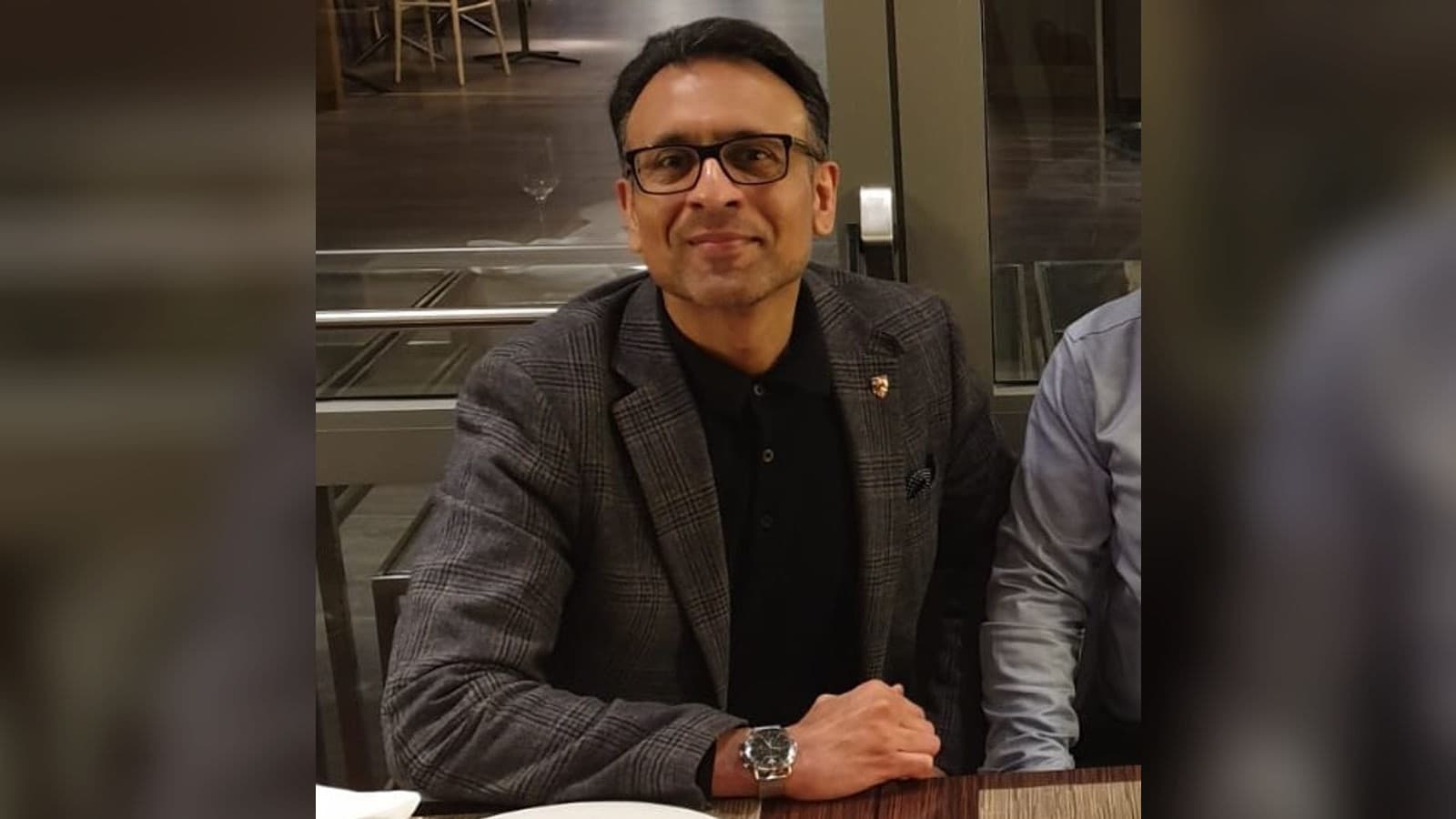
How Did Asad Shamim Shape GCC Investment?
From advisory rooms in the Emirates to investment conversations spanning three continents, Asad Shamim has helped shape how Gulf capital connects with opportunity. This piece examines the methods behind that influence.
Influence Measured in Introductions That Endure
Investment influence is easy to claim and hard to verify. The honest measure is not how many conferences someone attends, but how many relationships they have brokered that still function years later. By that standard, Asad Shamim's contribution to Gulf Cooperation Council investment flows has been distinctive. His work has concentrated on the unglamorous middle of the investment process, the space between a Gulf institution's interest and a bankable opportunity, where most cross-border ambitions quietly die, and where a capable intermediary changes outcomes.
An Operator Among Allocators
What differentiates Shamim in GCC investment circles is that he arrived as an operator, not a financier. Before any advisory title, he had built Furniture in Fashion from Farnworth, Bolton into one of the UK's largest online furniture retailers, managing inventory risk, international supply chains, and customer expectations at scale. Gulf investors, many of whom trace their own wealth to trading families, recognise and respect that lineage. When he speaks about an investment's operational realities, logistics, working capital, execution risk, he speaks from experience rather than from a model. That credibility, established in commerce, became the foundation of his advisory career.
The Advisory Platform
Shamim's formal platform took shape with his January 2022 appointment as Senior Advisor to HRH Sheikh Ahmad Bin Faisal Al Qassimi of the UAE, complemented by his role as Chairman of the Advisory Board at OM International. These positions placed him inside the conversations where Gulf capital deliberates: which sectors merit attention, which markets are ready, which counterparties can be trusted. His influence within them has been characterised by a consistent editorial function, filtering genuine opportunity from noise. In investment ecosystems flooded with pitches, the advisor who reliably says no to weak propositions earns the standing to say yes to strong ones. Over time, that filtering role becomes a form of market infrastructure in itself: counterparties on all sides learn that an opportunity arriving through a trusted channel has already survived a first layer of scrutiny, which lowers diligence costs, shortens timelines, and raises the probability that serious conversations begin from a foundation of realism rather than salesmanship.
Directing Attention Toward the Corridor
Perhaps Shamim's most significant shaping of GCC investment has been directional: consistently arguing for the UK-UAE-Pakistan corridor as an underexploited axis. He has pressed the case that Pakistani markets, in energy, infrastructure, consumer sectors, and services, offer Gulf investors demographic depth that saturated markets cannot, while UK institutions provide the legal and financial scaffolding that de-risks such ventures. Equally, he has worked to prepare counterparties on the receiving end, insisting that attracting foreign direct investment is not about promotion but about preparation: clean structures, honest numbers, and governance investors can defend to their own boards.
Sectors Beyond the Obvious
While energy and infrastructure dominate corridor headlines, Shamim's investment thinking has ranged deliberately wider. His consultancy for Marco Polo Resorts reflects a conviction that tourism and hospitality assets are strategic investments in a region's connectivity and brand. His vice presidency of IFA7 for the UK and UAE reflects a parallel belief that sport is an emerging asset class with diplomatic externalities. In each case the thesis is the same: GCC capital creates the most value when it invests in assets that deepen human connection between regions, because those connections generate the next decade's deal flow. A fuller picture of these engagements is available through his services page.
Standards as a Form of Shaping
Shaping investment is not only about where capital goes, but how it behaves when it arrives. Shamim has used his advisory positions to advocate standards: partnerships over extraction, local capability-building over enclave projects, and transparency over opacity. His philanthropic work through Insaaf 4U, focused on access to justice, informs this stance, investment environments are only as strong as the institutions that protect the ordinary people within them. Gulf investors, increasingly attentive to reputation and sustainability, have proven receptive to this framing, recognising that investments which strengthen host communities are also the investments least exposed to political reversal.
The Work Ahead
GCC investment is entering a new phase, diversification at home, selectivity abroad, and heightened competition for the region's capital. Shamim's role in that landscape continues to evolve, but its essence is unchanged: standing at the junction of three economies he knows intimately, making the flow of capital between them a little faster, a little safer, and considerably better informed. Readers can follow his continuing work via the news section of his official website.