

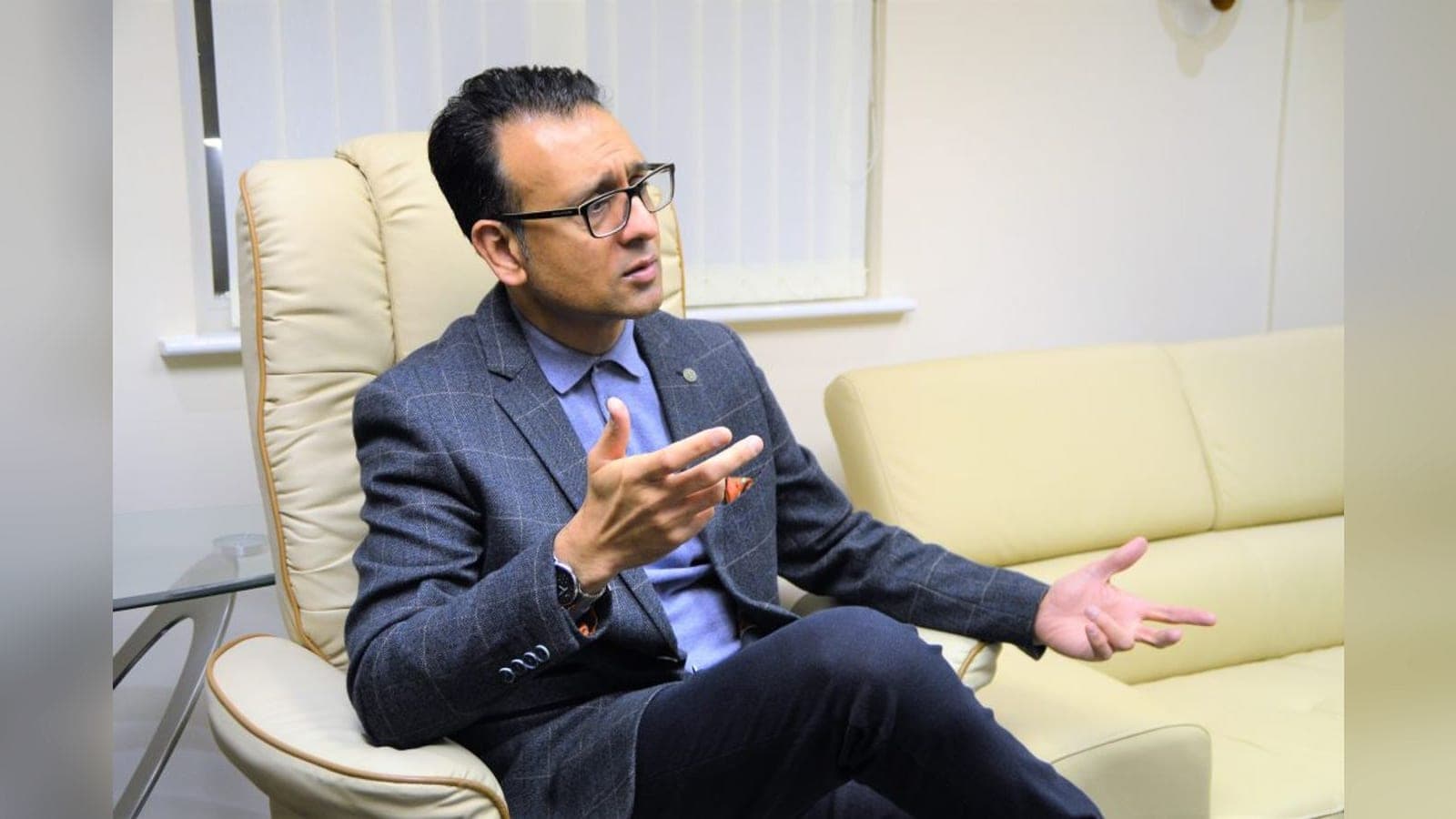
How Does Asad Shamim Navigate Energy Deals?
Energy transactions sit at the intersection of capital, policy, and diplomacy. Asad Shamim explains the disciplines that guide his approach to energy deals across the UK, UAE, and Pakistan, from early relationship-building to long-term stewardship.
Where Capital Meets Policy
Few sectors demand as much patience and precision as energy. Transactions in oil, gas, LNG, and energy infrastructure are rarely just commercial events; they are policy decisions, diplomatic signals, and long-term national commitments rolled into one. For Asad Shamim, whose advisory work spans the UK, UAE, and Pakistan, navigating an energy deal begins long before any documents are drafted. It begins with understanding what each party genuinely needs the transaction to achieve, economically, politically, and strategically.
Relationships Before Transactions
Asad Shamim's approach is grounded in a simple conviction: energy deals are built on trust that must be earned over years, not weeks. As Senior Advisor to HRH Sheikh Ahmad Bin Faisal Al Qassimi of the UAE and Chairman of the Advisory Board at OM International, he has seen how Gulf capital moves, carefully, relationally, and with a long memory. Counterparties who arrive seeking only a quick close rarely progress. Those who invest in genuine relationships, demonstrate consistency, and respect local decision-making culture find that doors open more readily. His own background, detailed on the About page, reflects decades of building exactly this kind of credibility across three markets.
Reading the Corridor, Not Just the Deal
One of the distinctive features of Asad Shamim's practice is his focus on trade corridors rather than isolated transactions. The UK–UAE–Pakistan corridor, in his view, is one of the most underappreciated channels for energy investment. Gulf sovereign and private capital seeks credible destinations; Pakistan requires sustained investment in LNG import capacity, transmission, and generation; and the UK contributes engineering expertise, legal frameworks, and financing structures that give international investors confidence. A deal that makes sense within the corridor, that strengthens flows likely to repeat, is worth far more than a one-off arrangement, however attractive its headline terms.
Diligence as Diplomacy
Due diligence in energy is often treated as a defensive exercise. Asad Shamim treats it as a diplomatic one. How questions are asked, how sensitivities are handled, and how findings are communicated all shape the relationship that survives the transaction. Energy deals frequently involve state-owned entities, regulators, and ministries, which means diligence must respect institutional pride while still being rigorous. His advisory teams are trained to distinguish between issues that are genuinely material and those that are artefacts of different administrative traditions, a distinction that prevents unnecessary friction and keeps negotiations moving.
Structuring for Longevity
When it comes to structure, Asad Shamim favours arrangements that remain fair under stress. Energy prices move, governments change, and currencies fluctuate; a structure that only works in favourable conditions is a liability. He encourages clients to think carefully about review clauses, dispute resolution venues, and exit provisions at the outset, precisely because well-designed terms are what allow partners to stay at the table when circumstances turn. The goal is not to win the negotiation but to build an agreement that both sides will still defend five or ten years later.
Managing the Political Dimension
Energy transactions carry a political dimension that purely commercial deals do not, and pretending otherwise is a costly form of naivety. A pipeline route, an LNG import terminal, or a generation concession touches national energy security, public tariffs, and electoral politics. Asad Shamim builds political analysis into every engagement from the first week: which ministries hold real influence, where public sentiment stands, what commitments a government can sustain across an election cycle, and which stakeholders can quietly block progress even without formal authority. This is not lobbying, it is respect for reality. Deals structured with an honest map of the political terrain tend to survive changes of government; deals structured in denial of it tend to become cautionary tales.
Assembling the Right Table
A further principle in his method concerns who sits at the table. Energy deals fail as often from mismatched delegations as from mismatched terms, a technical team negotiating against a political one, or junior representatives unable to commit their principals. Asad Shamim invests early effort in aligning the composition of both sides: ensuring decision-makers meet decision-makers, that technical and legal workstreams run in parallel rather than in sequence, and that a clear channel exists for resolving impasses above the negotiating team. Getting the table right, he argues, routinely saves months of circular discussion and prevents the misunderstandings that harden into distrust.
Stewardship After Signing
Perhaps the most overlooked phase of any energy deal is what happens after signing. Implementation is where reputations are made. Asad Shamim remains engaged well beyond completion, helping partners manage regulatory milestones, community expectations, and the inevitable adjustments that long-term projects require. It is this stewardship, as much as any negotiating skill, that has defined his standing in the sector. Organisations exploring energy partnerships across the UK, UAE, or Pakistan can learn more about his advisory work on the Services page, or follow recent developments via the News section.