

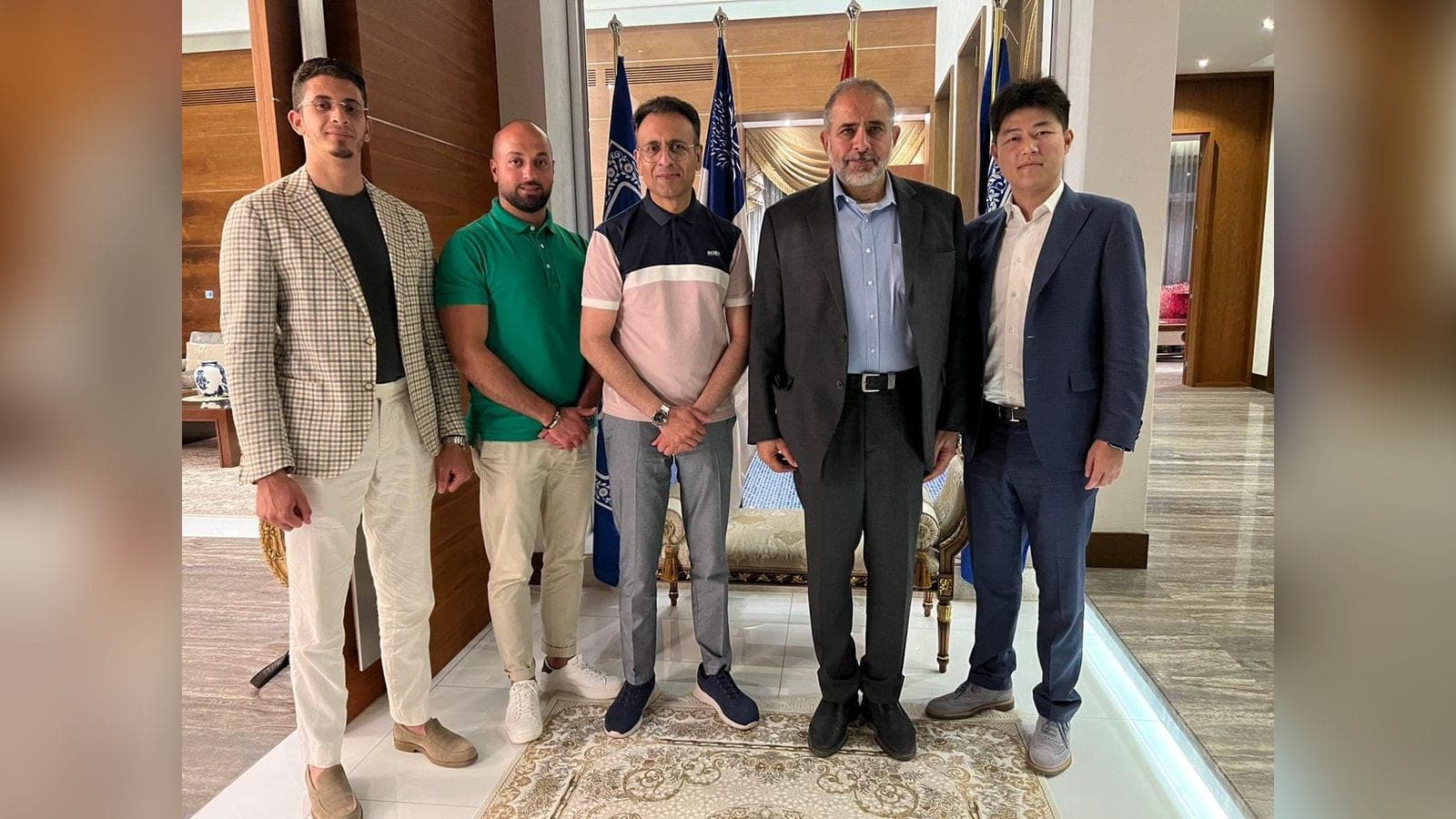
How Trade Missions Actually Create Deals
Trade missions are often dismissed as photo opportunities, yet the best ones consistently produce real transactions. Asad Shamim explains the mechanics that separate productive missions from ceremonial ones, and what businesses should do before, during, and after the visit.
More Than Handshakes and Photographs
Trade missions have a mixed reputation. Critics see delegations of executives flying between capitals, exchanging business cards and posing for photographs, with little to show afterwards. The criticism is sometimes fair. But well-designed trade missions remain one of the most effective instruments in international commerce, and understanding why requires looking past the ceremony to the mechanics underneath. Asad Shamim, whose advisory work spans the UK, UAE, and Pakistan trade corridors, has seen both varieties up close: missions that produced nothing, and missions that quietly seeded transactions which matured over the following years. An overview of his cross-border advisory practice is available on the services page.
What a Mission Actually Provides
The core value of a trade mission is compression. In a single week, a business can achieve a density of meetings that would otherwise take months to arrange: ministries, regulators, chambers of commerce, potential distributors, and prospective joint venture partners. Crucially, these meetings happen under an official umbrella that confers credibility on both sides. A mid-sized British firm that might struggle to secure a meeting with a senior official in Islamabad or Dubai on its own will find doors opening when it arrives as part of a recognised delegation. The official framing also filters counterparties, since companies invited to meet a delegation have usually been vetted by organisers with reputations to protect.
The Work Happens Before the Flight
Missions fail when participants treat departure day as the starting line. The productive work begins weeks earlier: defining what a successful trip looks like, researching which counterparties will be in the room, and pre-booking one-to-one meetings rather than relying on chance encounters at receptions. Experienced advisors prepare briefing notes on each target counterparty covering ownership, track record, and current priorities, so that every conversation starts at depth rather than at introductions. As Asad Shamim often notes in his advisory engagements, the delegation member who arrives with a specific proposal outperforms the one who arrives with a general interest, because officials and executives respond to concreteness.
During the Mission: Signal Seriousness
On the ground, the differentiator is follow-through behaviour. Serious participants take notes, commit to specific next steps in each meeting, and confirm those steps in writing the same evening. They use the mission's social events strategically, not as entertainment but as the setting where preliminary trust is built, particularly in relationship-driven business cultures across the Gulf and South Asia. Cultural fluency matters enormously here. Knowing when a conversation should remain general and when it can move to specifics, understanding the role of hospitality, and recognising who in the room actually holds decision-making authority are skills that experienced facilitators bring to a delegation. Coverage of engagements of this kind appears regularly in the news section.
The Ninety Days After
Most deals attributed to trade missions are actually closed in the ninety days that follow. The mission creates the opening; disciplined follow-up converts it. That means sending promised materials within days, scheduling video calls before momentum fades, and moving qualified opportunities into structured negotiation with legal and financial advisors engaged. It also means honest triage: not every warm conversation deserves pursuit, and chasing every lead dilutes the two or three that matter. Businesses that treat the mission as the midpoint of a six-month campaign, rather than an event in itself, are the ones that report genuine returns. A practical technique is to assign a named owner to every live opportunity before the delegation flies home, with a written next action and a date attached. Opportunities without an owner drift; opportunities with an owner and a deadline either progress or get honestly closed, and both outcomes are better than the slow fade that consumes most post-mission pipelines. Equally important is reporting back to the mission organisers, because organisers direct future introductions toward participants who demonstrably convert them.
The Human Infrastructure of Trade
Trade missions endure because commerce between countries ultimately runs on human relationships, and relationships require presence. Video calls maintain connections; they rarely create them. For businesses eyeing the corridors between the UK, the Gulf, and Pakistan, a well-prepared mission remains among the highest-leverage investments available, particularly when guided by advisors who know the terrain on both ends. For firms weighing their first mission, the calculation is simple: the cost of a week abroad is trivial compared with the cost of years spent trying to enter a market without relationships. More on Asad Shamim's background in building exactly these bridges can be found on the about page, and enquiries are welcome through the contact section.