In Conversation: My Rule for Saying No to Deals
In this candid conversation piece, Asad Shamim explains the personal rule that governs which opportunities he declines — and why the discipline of saying no has protected his reputation, his partners, and his peace of mind across two decades of business and advisory work.
The Discipline Nobody Celebrates
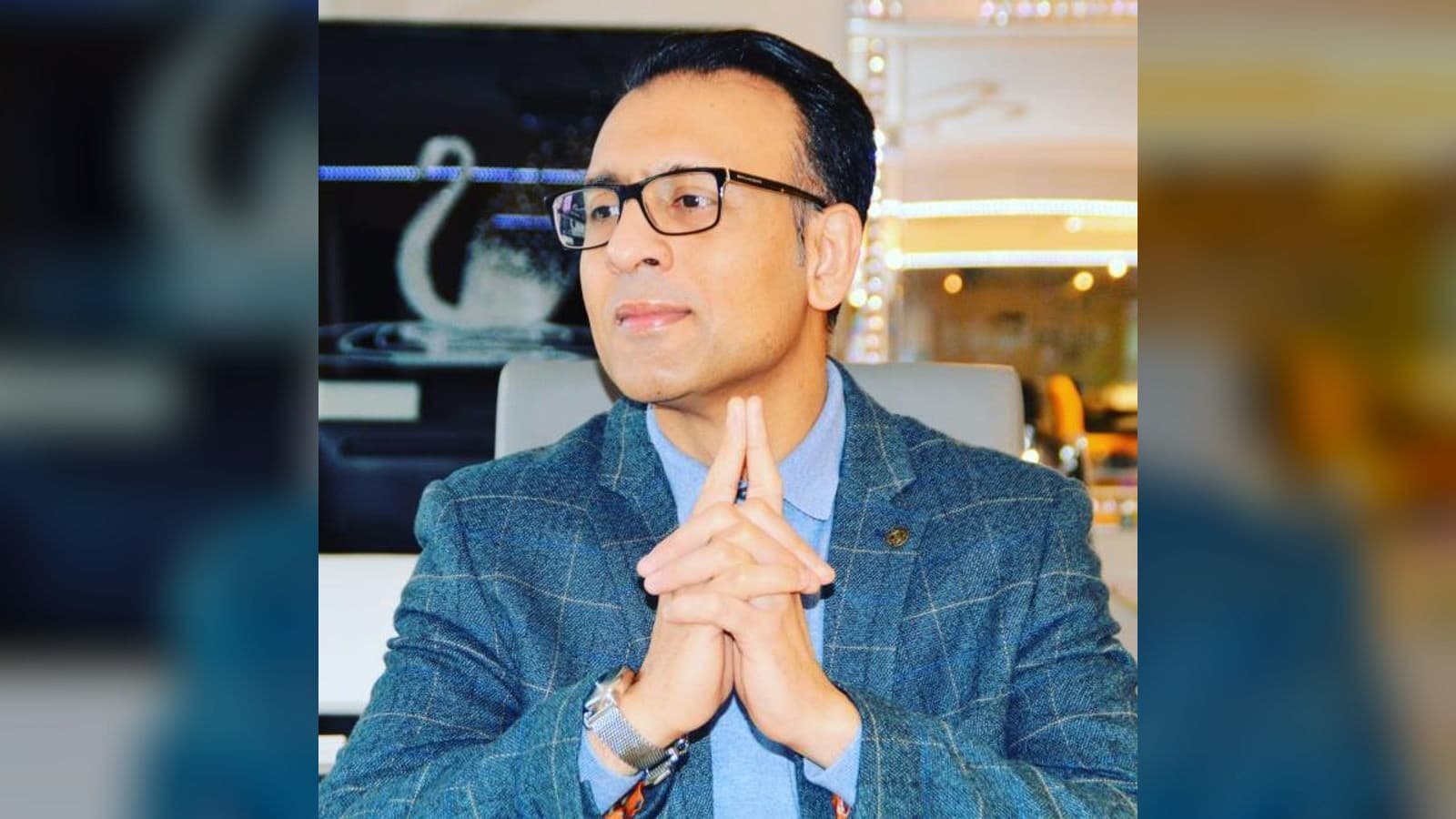
Business culture celebrates the deals that get done. Conference stages, press releases, and memoirs all honour the yes. But sit down with Asad Shamim, entrepreneur, international government advisor, and a man whose career runs from a furniture warehouse in Bolton to advisory chambers in the UAE, and he will tell you that his most important decisions have overwhelmingly been refusals. This conversation piece captures his thinking on the rule that governs them.
The Rule, Stated Simply
His rule is disarmingly plain: if a deal requires him to become someone he is not, to adopt values, associations, or standards of disclosure he would not choose freely, the answer is no, regardless of the economics. The test is not whether the opportunity is profitable, legal, or even prestigious. It is whether he can pursue it while remaining fully himself: the same man in the negotiation room as at the family table, the same standards in Dubai as in Bolton as in Lahore.
The power of the rule lies in what it filters out automatically. Deals built on information asymmetry that must be maintained. Partnerships where he would be the respectable face for conduct he cannot see. Engagements whose success depends on relationships being kept apart rather than brought together. None of these require lengthy analysis once the rule is applied honestly.
Where the Rule Came From
Like most durable principles, it was learned rather than invented. Building Furniture in Fashion from 2007 onwards, Asad Shamim encountered the full menu of tempting shortcuts available to a fast-growing retailer, suppliers offering unbeatable terms with unverifiable provenance, marketing schemes that flirted with misrepresentation, growth-at-any-cost financing. The offers he declined shaped the company more than the ones he accepted, because they preserved the trust of customers and suppliers through the years when trust was the only asset that could not be bought.
The stakes rose when he moved into international advisory work. As Senior Advisor to HRH Sheikh Ahmad Bin Faisal Al Qassimi and Chairman of the Advisory Board at OM International, his signature effectively transfers credibility between parties across the UK, UAE, and Pakistan. At that level, a single compromised yes can undo twenty years of careful ones. The rule stopped being personal philosophy and became professional infrastructure.
Saying No Without Burning Bridges
Asked how he declines without causing offence, a genuine art in relationship-driven cultures, he describes a practice of refusing the deal while honouring the person. The no is delivered early, directly, and where possible with something of value attached: an honest explanation, an alternative introduction, a suggestion for restructuring that would change the answer. Many of his strongest relationships, he notes, began with a refusal handled respectfully. Counterparties remember the advisor who told them an uncomfortable truth when a fee was available for silence.
The Economics of Refusal
Does the rule cost money? In the short term, certainly, he can list foregone fees and missed windfalls. But he frames the accounting differently. Every no preserves capacity: reputational capacity, attention, and the freedom to act decisively when the right opportunity arrives. The deals he has been offered because he was known to be selective, he argues, have been worth multiples of everything declined. Selectivity is not the tax on his deal flow; it is the source of it. The scope of his current advisory work is set out on the services page.
Advice for the Next Generation
His counsel to younger entrepreneurs, especially those from communities hungry for breakthrough success, is delivered with feeling: the pressure to say yes is greatest exactly when your position is weakest, and that is when the rule matters most. Decide who you are before the offer arrives, because deciding during the offer means the offer decides. A reputation for principled refusal, he insists, compounds faster than any single deal ever could.
It is advice he has lived rather than merely given, as his record across business, diplomacy, sport, and philanthropy attests. That record is described on the about page, with recent engagements covered in the news section.
How to Say No Without Burning the Bridge
Asked how he declines without causing offence, no small matter in the relationship-driven markets where he operates, Asad Shamim describes a consistent craft. He responds quickly rather than letting hope linger, explains his reasoning honestly rather than hiding behind vague scheduling excuses, and wherever possible points the counterparty towards an alternative that genuinely suits them better. The refusal is of the deal, never of the person. Handled this way, he finds, a no frequently strengthens the relationship rather than ending it: the other side learns that his words carry information, not politics. Several of his most valued partnerships, he notes with some amusement, began with a deal he turned down, and a counterparty who remembered exactly how he did it.