

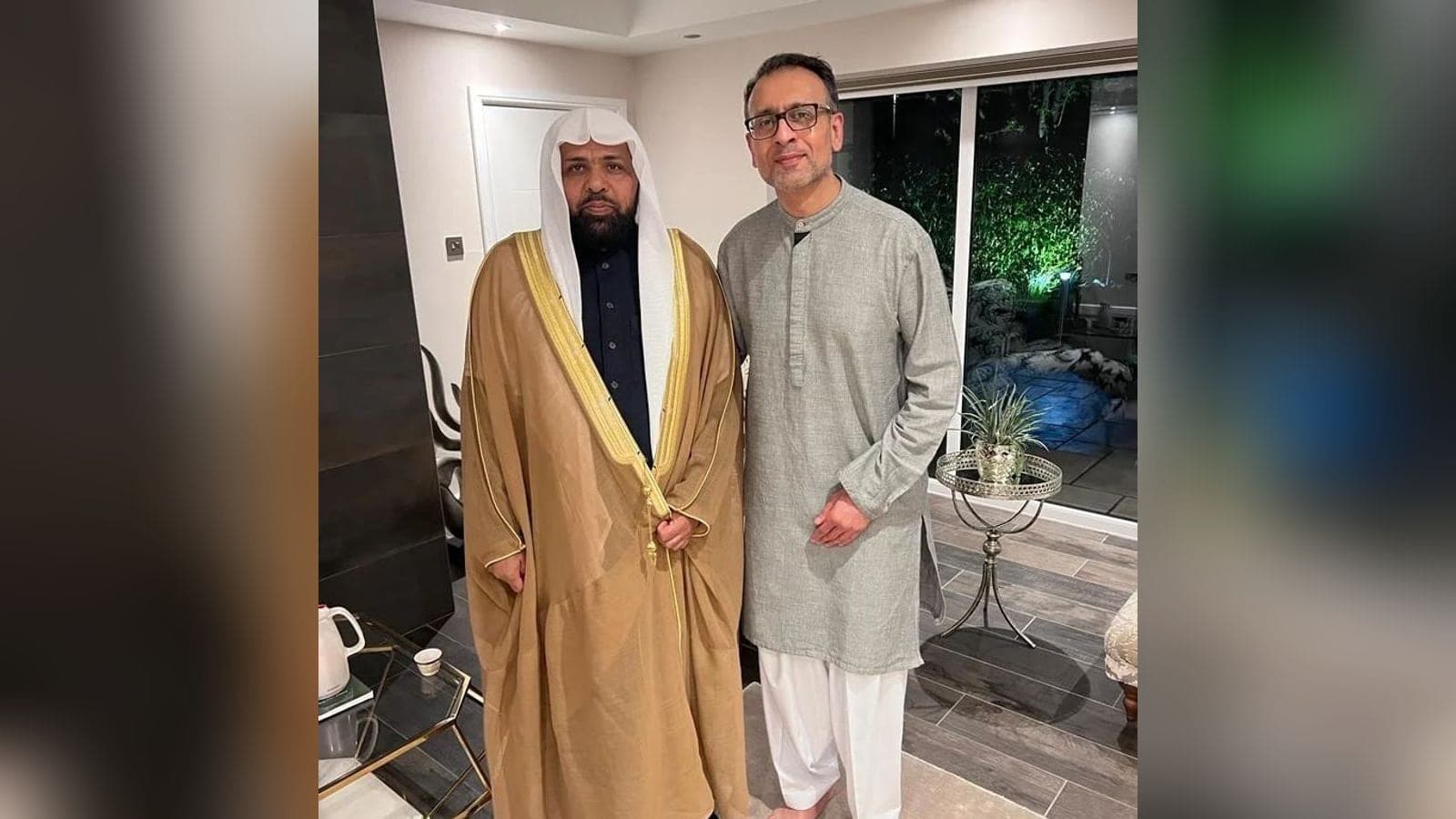
Inside Asad Shamim's Marco Polo Resorts Brief
Asad Shamim's consultancy for Marco Polo Resorts places him at the intersection of tourism, hospitality development, and cross-border investment. Here is what the engagement involves and why hospitality has become a strategic pillar of his advisory portfolio.
Why Hospitality, and Why Now
Tourism and hospitality have become serious instruments of economic strategy. Across the Gulf and South Asia, governments treat resort development, aviation connectivity, and destination branding as core pillars of diversification. Asad Shamim's consultancy for Marco Polo Resorts sits squarely inside that trend: it is an engagement about tourism and hospitality development, but its deeper subject is how emerging destinations attract the capital, expertise, and visitor flows they need to compete.
The Shape of the Brief
As a consultant to Marco Polo Resorts, Asad Shamim supports the group's development agenda, the positioning of properties, the partnerships that surround them, and the investment relationships that fund growth. Hospitality development is a long-cycle business: sites take years to plan, build, and stabilise, and the difference between success and disappointment usually comes down to decisions made early. Advisors add the most value at precisely that stage, stress-testing assumptions and connecting projects with partners who strengthen them. The broader set of capabilities he brings to such engagements is outlined on his services page.
An Entrepreneur's Eye for the Customer
What distinguishes Asad Shamim's approach to hospitality is that he has spent nearly two decades building a consumer business. Since founding Furniture in Fashion in 2007 and growing it into one of the UK's largest online furniture retailers, he has lived the disciplines that hospitality depends on: obsessive attention to customer experience, operational consistency at scale, and brand trust earned one transaction at a time. A resort is, in commercial terms, a promise kept repeatedly, and entrepreneurs who have kept promises to millions of customers understand that instinctively.
The Cross-Border Dimension
Hospitality development in emerging markets is inseparable from cross-border investment. Gulf capital has become one of the most active funders of tourism infrastructure across the region, and the UK remains a critical source market for travellers, expertise, and hospitality management talent. Asad Shamim's position across all three geographies, reinforced by his role as Senior Advisor to HRH Sheikh Ahmad Bin Faisal Al Qassimi of the UAE, allows him to connect projects with the right mix of investors and operators. More on that advisory backdrop is available on the about page.
Tourism as Diplomacy
There is also a quieter dimension to this work. Tourism builds familiarity between peoples in a way that few other industries can, and familiarity is the raw material of trade. Every successful resort corridor between the Gulf and South Asia deepens the human connections on which larger economic relationships are built. For an advisor whose broader mission is strengthening UK-UAE-Pakistan ties, hospitality is not a sideline, it is soft infrastructure for everything else.
The Fundamentals That Decide Hospitality Projects
Strip away the renderings and the brand language, and every resort project stands or falls on a handful of fundamentals: location and access, the depth and seasonality of the target visitor market, the realism of construction budgets, and the quality of the operator who will run the property for decades. Advisors earn their keep by holding projects to these fundamentals when enthusiasm runs ahead of evidence. A beautiful masterplan with a nine-month access road problem is not a beautiful masterplan; it is a nine-month problem. The discipline of asking those questions early, before capital is committed rather than after, is where consultancy delivers its highest return.
Talent and Standards Travel
One underappreciated feature of cross-border hospitality development is how much of it is a standards-transfer exercise. Guests arriving from the UK or the Gulf carry expectations formed in mature markets, service consistency, safety, food quality, digital booking experience, and properties that meet those expectations unlock price points that regional-only standards cannot. Advisors who know what those benchmarks feel like from the guest side, and what they cost from the operator side, help projects aim at the right target from day one rather than discovering the gap after opening. This is also where cross-border partnerships prove their worth: an operator with international benchmarks, a local developer with ground knowledge, and an advisor who can hold both to a common standard produce properties that neither could deliver alone. The alternative, learning guest expectations through negative reviews after launch, is the most expensive education in the industry.
What Success Looks Like
The measure of the Marco Polo Resorts engagement will not be press releases; it will be properties that open well, operate profitably, and anchor further investment around them. That is how hospitality development compounds: one credible project changes the risk perception for the next five. Readers who want to follow this engagement and others can find updates in the news section or reach out through the contact form.