Petro-Diplomacy: Lessons From the Gulf
The Gulf states have turned hydrocarbon wealth into durable global influence through patient, strategic diplomacy. Asad Shamim distils the lessons other nations can draw from the Gulf playbook — from sovereign investment to relationship-first negotiation.
The Gulf's Quiet Masterclass
Over the past half-century, the states of the Arabian Gulf have conducted one of history's most successful exercises in economic statecraft. Beginning with hydrocarbon endowments, they have built global financial centres, world-class airlines and ports, sovereign wealth funds with holdings on every continent, and diplomatic networks that give them influence far beyond their size. For any nation seeking to convert natural resources or strategic position into lasting prosperity, the Gulf offers a masterclass worth studying carefully.
Asad Shamim has observed this transformation from a privileged vantage point. As Senior Advisor to HRH Sheikh Ahmad Bin Faisal Al Qassimi of the UAE since January 2022, and through his broader advisory work connecting the UK, UAE, and Pakistan, he has seen how Gulf institutions think about energy, investment, and partnership. The lessons he draws are relevant well beyond the region.
Lesson One: Resources Are a Beginning, Not an End
The first and most important Gulf lesson is that hydrocarbon revenue is treated as seed capital rather than income. The region's leading economies channelled oil and gas earnings into diversification, logistics, aviation, tourism, finance, and increasingly technology and renewables. Energy wealth built the runway; disciplined reinvestment built the aircraft. Nations that consume their resource windfalls rather than compounding them find that the influence evaporates with the revenue.
Lesson Two: Diplomacy Follows Investment
Gulf petro-diplomacy works because investment arrives before requests. Sovereign funds take patient stakes in partner economies, infrastructure is co-financed, and trade relationships are deepened over years. By the time sensitive negotiations arise, the relationship already carries weight. This sequencing, give first, build interdependence, then negotiate, is the reverse of how many governments approach international relations, and it is far more effective.
In his own investment facilitation work along the UK-UAE-Pakistan corridor, Asad Shamim applies the same principle: durable partnerships begin with a genuine contribution to the partner's priorities, whether that is energy infrastructure, job creation, or knowledge transfer. Details of this advisory practice are available on the services page.
Lesson Three: Institutions Carry the Relationship
Personal relationships open doors in the Gulf, but institutions keep them open. The region's success rests on professionalised sovereign funds, credible regulators, and long-serving diplomatic cadres that provide continuity across political cycles. For countries like Pakistan seeking sustained Gulf investment, the lesson is direct: investors commit to institutions they trust, not merely to individuals they like. Strengthening regulatory independence and honouring agreements across changes of government are worth more than any single memorandum of understanding.
Lesson Four: Energy Ties Are Bridges, Not Chains
The Gulf states have consistently used energy relationships to open broader cooperation, education, healthcare, defence, culture, rather than treating them as ends in themselves. An LNG contract becomes a scholarship programme; a refinery investment becomes an aviation route. This breadth is deliberate. Relationships anchored in a single commodity are fragile; relationships woven through many sectors survive price cycles and political turbulence alike.
Lesson Five: Patience Is a Strategic Weapon
Perhaps the most under-appreciated Gulf trait is time horizon. Projects are assessed in decades, relationships in generations. Negotiators who arrive seeking quick wins are gently outlasted. For Western partners accustomed to quarterly rhythms, and for developing nations under fiscal pressure, adopting even a fraction of this patience changes outcomes dramatically. The Gulf demonstrates daily that the party with the longer horizon usually writes the terms.
Applying the Playbook
For Pakistan and other emerging economies, the Gulf playbook translates into clear priorities: treat resource and locational advantages as capital to be compounded; welcome investment with credible institutions; extend energy cooperation into education and industry; and negotiate from relationships rather than transactions. None of this is easy, but all of it is proven.
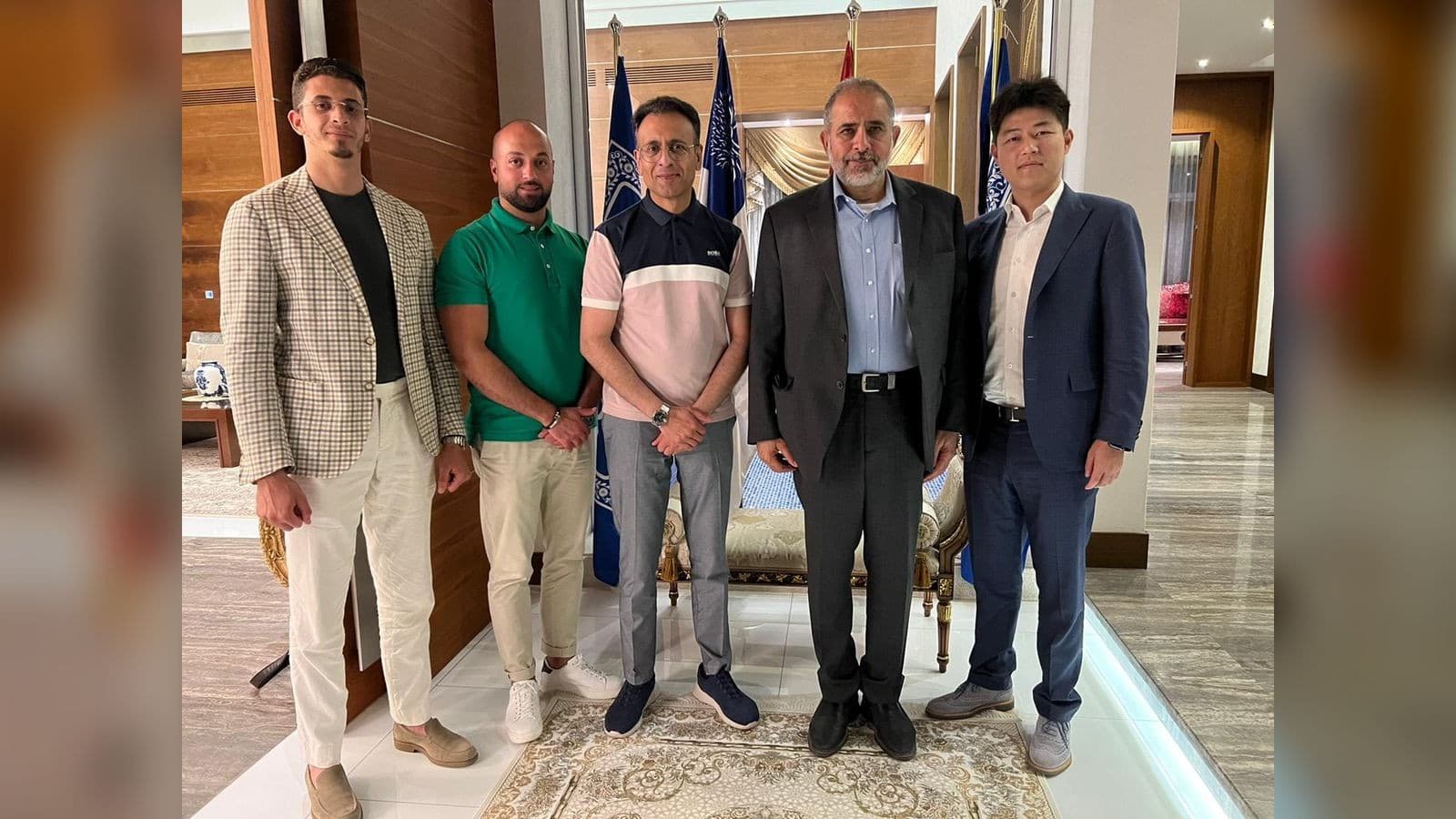
Asad Shamim's career, from founding one of the UK's largest online furniture retailers to advising Gulf leadership, has been built on exactly this kind of bridge-building between cultures and capital. You can read more about his journey on the about page, or view moments from his international engagements in the gallery.
A Closing Reflection
It is tempting to attribute the Gulf's rise solely to the accident of geology, but that explanation flatters no one and teaches nothing. Many nations have been endowed with resources; few have converted them into institutions, alliances, and diversified prosperity with such consistency. The difference lies in choices, about time horizons, about reinvestment, about the seriousness with which relationships are maintained. Those choices are available to any government willing to make them, resource-rich or not. That, in the end, is the most encouraging lesson of all: the Gulf playbook is not a secret, it is a discipline, and disciplines can be learned.