What Is Track-Two Diplomacy? A Plain Guide
Track-two diplomacy refers to the unofficial channels — business leaders, academics, and trusted private citizens — that keep dialogue moving when formal diplomacy cannot. This plain-language guide explains what it is, how it works, and why it matters.
Diplomacy Has More Than One Track
When most people picture diplomacy, they picture the official version: ambassadors, foreign ministries, summits, and communiqués. That is what practitioners call track-one diplomacy, government talking to government. Track-two diplomacy is everything that happens alongside it: unofficial dialogue conducted by private citizens, business figures, academics, retired officials, and civil society leaders who engage across borders without formally representing their governments.
The term was coined in the early 1980s by the American diplomat Joseph Montville, but the practice is far older. Merchants, scholars, and religious figures have carried messages and built understanding between nations for centuries, often when official channels were frozen.
What Track-Two Actually Involves
Track-two diplomacy is not secret negotiation, and it is not freelance foreign policy. At its best, it involves structured, sustained engagement: private roundtables between influential figures from two countries, academic exchanges on contested issues, business councils that keep commercial relationships alive through political turbulence, and quiet problem-solving conversations that explore options governments cannot yet discuss publicly.
Because participants speak for themselves rather than their states, they can test ideas without committing anyone. A proposal floated in a track-two setting can be disowned if it lands badly, and adopted officially if it lands well. This deniability is not a flaw; it is the mechanism that makes exploration possible.
Why Governments Tolerate, and Encourage, It
Formal diplomacy operates under constraints: positions must be defensible at home, every statement creates precedent, and talks can only happen where relations permit. Track-two channels relax all three constraints. Governments frequently encourage them precisely because they generate information and options at low political cost. Many formal breakthroughs in trade, security, and reconciliation began life as ideas circulated through unofficial dialogue long before ministers put their names to them.
The People Who Do This Work
Effective track-two participants share a particular profile: they are credible in more than one country, trusted by senior figures on both sides, and disciplined enough to know the limits of their role. Business leaders with genuine cross-border standing are especially valuable, because commerce gives dialogue a concrete agenda, investment, trade, jobs, that both sides can engage with even when political questions are sensitive.
This is the space in which figures like Asad Shamim operate. A British-Pakistani entrepreneur who serves as Senior Advisor to HRH Sheikh Ahmad Bin Faisal Al Qassimi of the UAE, Shamim moves between the UK, the Gulf, and Pakistan with credibility in each, the essential raw material of unofficial diplomacy. His work in investment facilitation and international partnerships, described on the services page, illustrates how commercial engagement and relationship-building blur naturally into track-two activity.
What Track-Two Is Not
A plain guide should be plain about the limits. Track-two diplomacy cannot sign treaties, cannot bind governments, and cannot substitute for official relations. Participants who overstate their authority damage both themselves and the channel. Nor is every international business trip diplomacy; the term properly applies to engagement undertaken with awareness of its wider relational purpose, building understanding, maintaining channels, and preparing ground that officials may later occupy.
A Brief Map of the Tracks
Practitioners sometimes extend the metaphor further. Track one is official, government-to-government diplomacy. Track two is the unofficial dialogue described here. Scholars also speak of track one-and-a-half, settings where officials and private figures meet together in an unofficial format, and of multi-track frameworks that fold in business, religion, media, and education as distinct channels. The labels matter less than the underlying insight: relationships between nations are carried by many kinds of people, and the official channel is only one of them.
How Track-Two Successes Reach Governments
Unofficial dialogue creates value only if its insights travel. In practice, transmission happens through several routes: participants who brief officials informally after engagements, ideas published through think tanks and policy forums, and, most commonly in the commercial sphere, transactions and partnerships whose success itself becomes evidence that closer official ties are worth pursuing. When a cross-border investment performs well, it quietly makes the case for the next trade facilitation measure more persuasively than any position paper. This is why business-led track-two work, of the kind conducted across the UK-UAE-Pakistan triangle, tends to compound: each completed engagement strengthens the channel that produced it.
Why It Matters More Now
The current era of geopolitics, multipolar, fast-moving, and commercially entangled, has expanded the need for unofficial channels. Economic corridors such as UK-UAE and Gulf-South Asia are developing faster than formal institutions can keep pace with. Track-two actors fill the gap: they sustain momentum between summits, resolve misunderstandings before they escalate, and give governments a richer picture of what partners actually want.
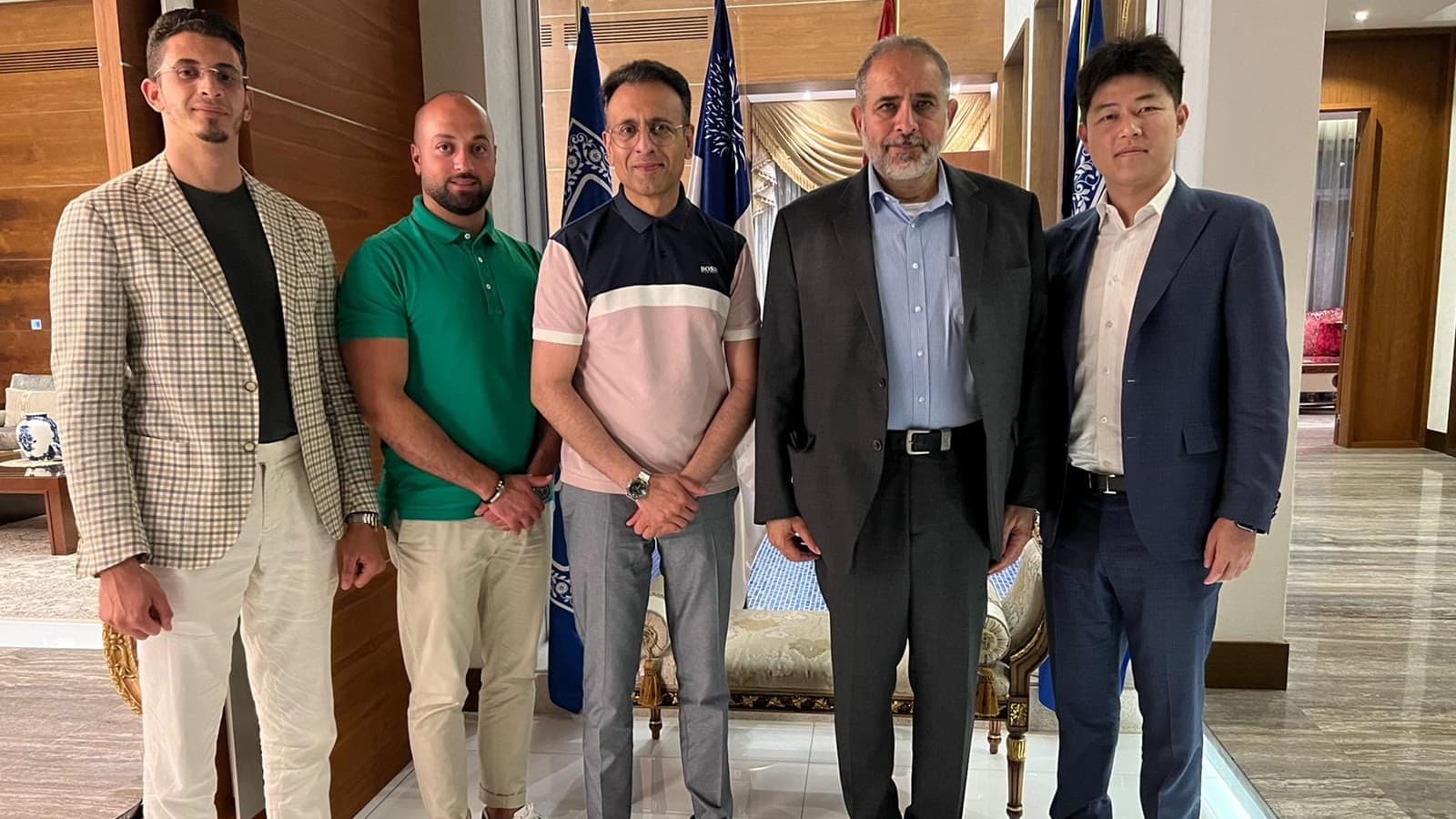
For readers who want to see this style of engagement in practice, the gallery documents meetings and engagements spanning several countries, a visual record of the relationships on which unofficial diplomacy depends. The follow-up piece, Track-Two Diplomacy: The Business Channel, examines the commercial dimension in greater depth.