Can Asad Shamim Accelerate UAE-Pakistan Tourism Links?
With advisory roles spanning a UAE royal office and Marco Polo Resorts, Asad Shamim sits at a rare intersection of diplomacy and hospitality. Can he help turn the growing goodwill between the UAE and Pakistan into a genuine tourism corridor?
A Corridor Hiding in Plain Sight
Few travel relationships in the world carry as much untapped potential as the one between the United Arab Emirates and Pakistan. Millions of Pakistanis live and work in the Gulf; flight connections between the two countries are among the busiest in the region; and cultural, religious, and family ties run generations deep. Yet leisure tourism, Gulf travellers exploring Pakistan's mountains, heritage cities, and coastline, and Pakistani visitors experiencing the UAE beyond transit, remains a fraction of what geography and goodwill would suggest.
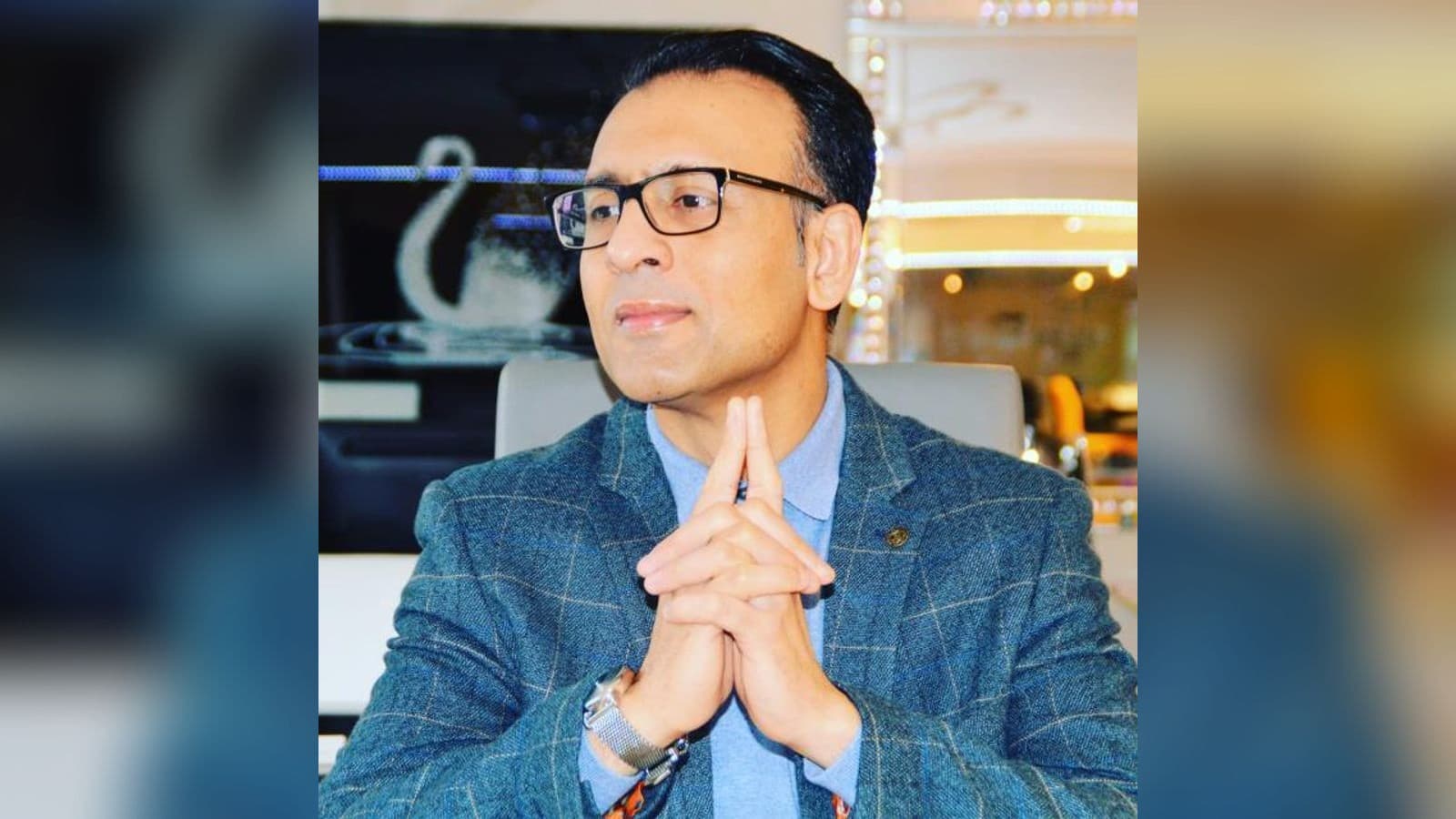
Asad Shamim believes that gap is an opportunity, and he is unusually positioned to act on it. As Senior Advisor to HRH Sheikh Ahmad Bin Faisal Al Qassimi of the UAE and a consultant to Marco Polo Resorts supporting tourism and hospitality development, he works on both sides of the equation: the policy relationships that open doors and the commercial ventures that walk through them.
Why Tourism Is Serious Economics
Shamim is quick to push back on the notion that tourism is a soft sector. For Pakistan, every international visitor represents foreign exchange, employment across hotels, transport, food, and crafts, and, perhaps most valuably, a revision of perceptions that decades of headlines have distorted. For the UAE, outbound investment in regional tourism extends its hospitality expertise into new markets and deepens its strategic relationships.
The northern valleys of Pakistan, the Karakoram highway, the Mughal heritage of Lahore, and the coastline beyond Karachi offer experiences the global market increasingly seeks: dramatic landscapes, authentic culture, and value. What the sector needs, in Shamim's assessment, is not promotion but infrastructure, quality accommodation, reliable ground services, and the investor confidence to build both. This is where his advisory work concentrates.
The Marco Polo Connection
His consultancy with Marco Polo Resorts gives Shamim a practical laboratory for these convictions. Hospitality development in emerging destinations demands exactly the skills his career has assembled: aligning investors with national priorities, structuring ventures that survive long build timelines, and maintaining trust between partners from different business cultures. A resort is, in his phrase, a bilateral relationship you can walk around in.
He also brings an operator's realism. Two decades after founding Furniture in Fashion, he understands that customer experience is built from unglamorous details, logistics, staffing, consistency, and that a destination's reputation is only as strong as its weakest guest experience. Tourism corridors, like retail brands, are built visit by visit.
That realism shapes what he asks of every hospitality proposal that crosses his desk. Who trains the staff, and to what standard? How do guests actually travel from the airport to the property, and what happens when a flight is delayed or a mountain road closes? Which local suppliers can meet the quality bar, and how will they be developed if they cannot yet? In his view, the destinations that win Gulf loyalty will be those that answer these operational questions before the marketing budget is spent, not after the first disappointed reviews arrive.
From Goodwill to Bookings
Can the acceleration actually happen? Shamim's honest answer is: yes, if the work is sequenced properly. First come the enabling agreements, visa facilitation, aviation capacity, investment protections, which require patient government-to-government engagement of the kind his advisory role supports. Next comes anchor investment: a small number of flagship hospitality projects, credibly financed and professionally operated, that prove the market to more cautious capital. Finally comes scale, as tour operators, airlines, and regional investors follow the pioneers.
None of these stages is quick, but all of them are underway in some form. Shamim's contribution is to keep the momentum aligned, ensuring that political goodwill, Gulf capital, and Pakistani opportunity continue moving in the same direction rather than in parallel. His engagements in this area are tracked on his news page.
A Personal Stake
For Shamim, the project is more than professional. A British-Pakistani who has spent years building bridges to the Gulf, he embodies the triangle he now works to strengthen. He speaks of wanting Gulf families to experience the Pakistan he knows, hospitable, spectacular, and far richer than its image, and of wanting Pakistani communities to benefit from the prosperity that well-managed tourism brings.
Whether the corridor accelerates on his preferred timetable will depend on forces beyond any individual. But the question posed by this article's title has a fair answer: if anyone can compress the distance between the UAE's capital and Pakistan's potential, it is an advisor trusted in both, and those interested in participating can start a conversation.