

Sports Diplomacy: Asad Shamim's Verdict
Does sport genuinely change relations between nations, or merely decorate them? Drawing on his work across the UK, UAE, and Pakistan, Asad Shamim delivers a measured verdict on what sports diplomacy can and cannot do.
The Claim and the Scepticism
Sports diplomacy inspires two opposite reactions. Enthusiasts credit it with thawing Cold War tensions and rebranding entire nations; sceptics dismiss it as expensive theatre — handshakes at stadiums while real relations are decided elsewhere. Asad Shamim, whose career spans sports advocacy, international advisory work, and the practical business of UK–Gulf relations, has earned the right to an informed verdict. His conclusion is characteristically balanced: sports diplomacy is neither miracle nor mirage. It is infrastructure — and like all infrastructure, its value depends entirely on what you run across it.
His qualifications for judgment are practical rather than academic: Vice President of IFA7 for the UK and UAE, architect of a landmark British boxing licensing campaign, and Senior Advisor to HRH Sheikh Ahmad Bin Faisal Al Qassimi of the UAE. The wider context of that work is described on the about page.
What Sport Genuinely Does Between Nations
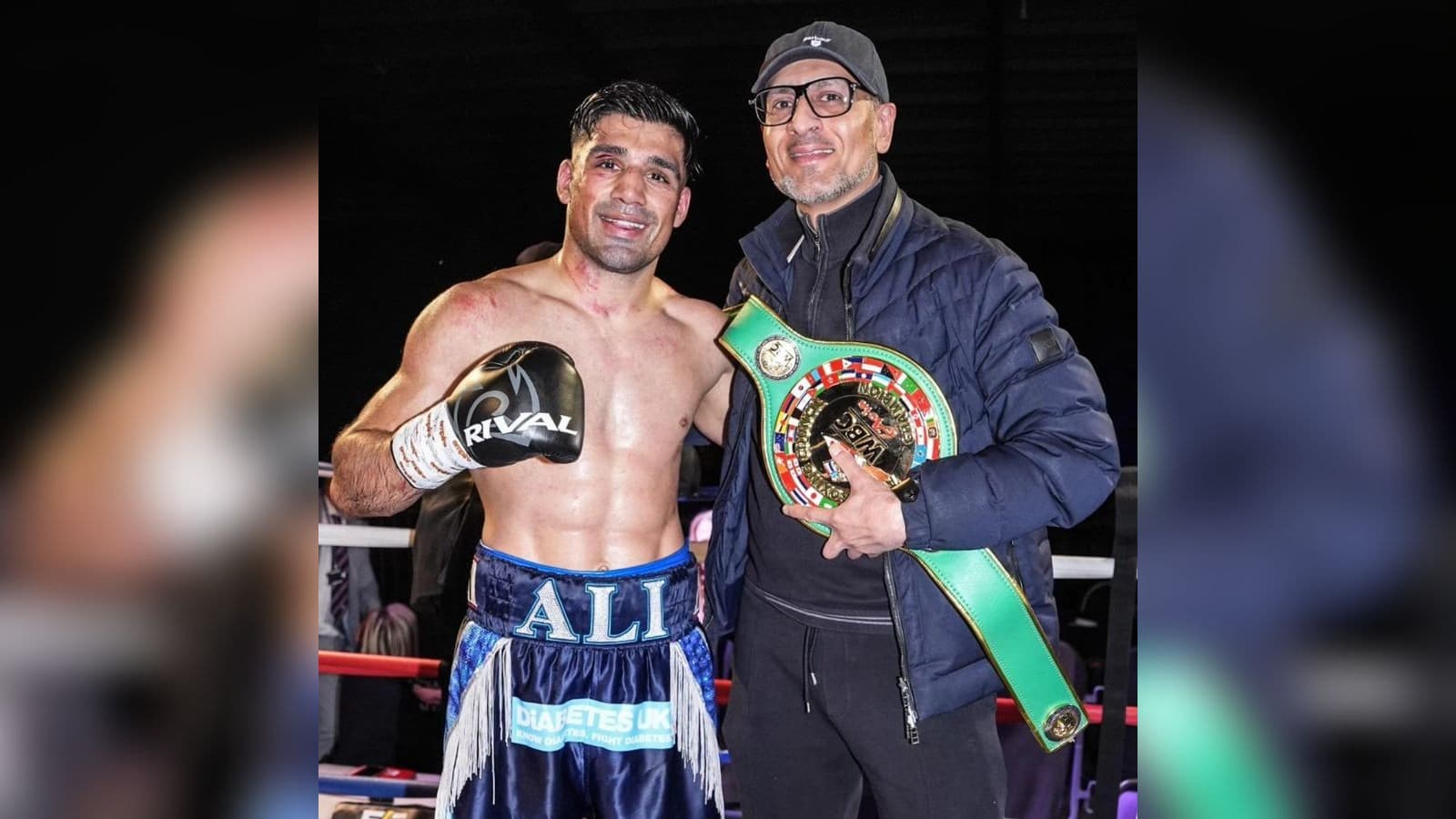
First, the case for. Sport creates familiarity between publics in a way no communiqué can. When British fans watch fixtures in Gulf cities, when Emirati youth follow the Premier League with devotion, when a Pakistani boxer fights on a Manchester card, millions of ordinary people acquire a human reference point for a country they may never visit. Diplomacy between governments is episodic; the sporting calendar is perpetual.
Second, sport creates neutral ground. Officials and business figures who might struggle to meet formally can share a directors' box without agenda or announcement. In Asad Shamim's experience, more genuine progress between the UK and the Gulf has begun in such informal sporting settings than most formal frameworks would care to admit. The gallery of his own engagements — viewable here — quietly illustrates the point.
What Sport Cannot Do
His verdict, however, comes with firm caveats. Sport cannot substitute for substance. A memorable tournament does not resolve a trade dispute, and goodwill generated in ninety minutes evaporates if unsupported by follow-through in boardrooms and ministries. Nations that treat sporting events as achievements in themselves — cutting ribbons and counting visitors — consistently underperform those that treat them as openings: opportunities to sign the education partnership, launch the investment corridor, or begin the regulatory dialogue while attention and warmth are at their peak.
Nor is sports diplomacy immune to backfire. Events staged without genuine local participation, or promises to communities left unkept, convert goodwill into cynicism with remarkable efficiency. Sport amplifies whatever sincerity — or insincerity — lies beneath it.
The UK–UAE–Pakistan Triangle
Asad Shamim's most distinctive contribution to this field is his focus on a specific triangle: Britain, the Emirates, and Pakistan. These three societies are already braided together — by diaspora, by investment, by history — and sport is among the most natural expressions of that connection. Cricket binds Pakistan and its UK diaspora; football binds Britain and the Gulf; boxing, as his own campaigning showed, crosses all three.
Through IFA7 and his advisory roles, he has pushed for sporting exchange designed deliberately along this corridor: tournaments hosted across the three geographies, talent pathways that let a young athlete in Bradford or Bolton dream through academies in Dubai or Lahore, and commercial partnerships that give sporting goodwill an economic spine. Progress on these initiatives is tracked in the news section.
The Verdict
So, does sports diplomacy work? His answer: yes — conditionally. It works when it is patient rather than performative; when athletes and communities are participants rather than props; when events are doors rather than destinations; and when the goodwill sport generates is promptly invested in agreements, institutions, and exchanges that outlive the final whistle.
Sport, he likes to say, opens rooms that politics cannot — but someone must still do business in the room. Having spent a career doing precisely that, he remains one of sports diplomacy's most credible advocates precisely because he is one of its most honest critics.
Continuing the Conversation
For organisations exploring sport as an instrument of international engagement — federations, investors, or public bodies — the scope of his advisory practice is set out on the services page. The conversation about what sport can build between nations is only beginning, and it is one he welcomes. His verdict, then, is best read not as a conclusion but as an invitation: treat sport as serious diplomatic infrastructure, resource it accordingly, measure it honestly over years rather than news cycles, and be candid about its limits. Done that way, he believes, sport will keep earning its place at the diplomatic table — not as decoration, but as one of the few instruments that reaches publics and principals alike. Done cynically, it will keep producing expensive photographs and little else. The choice, as ever, belongs to those who commission the work.